Wassaic Project Artist Residency

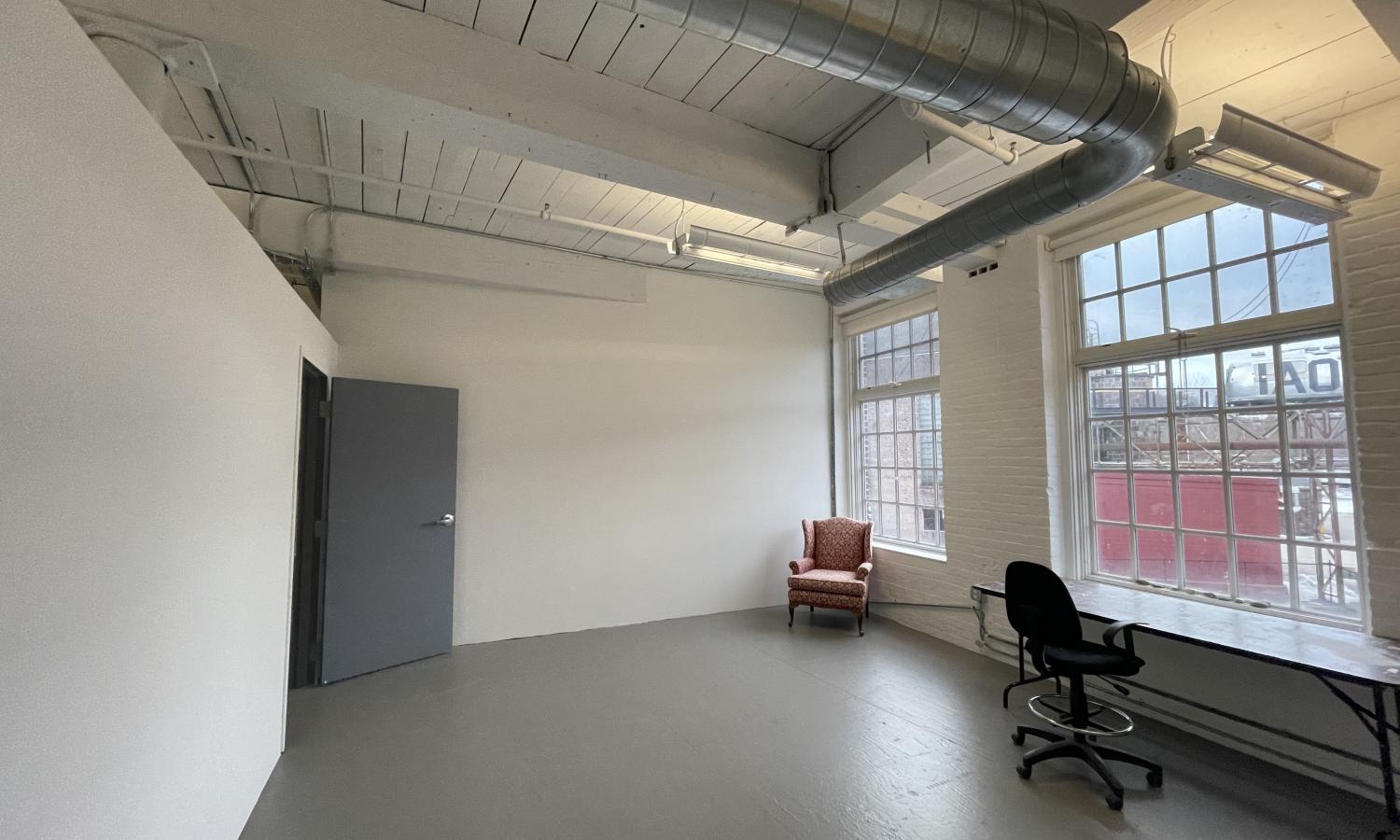
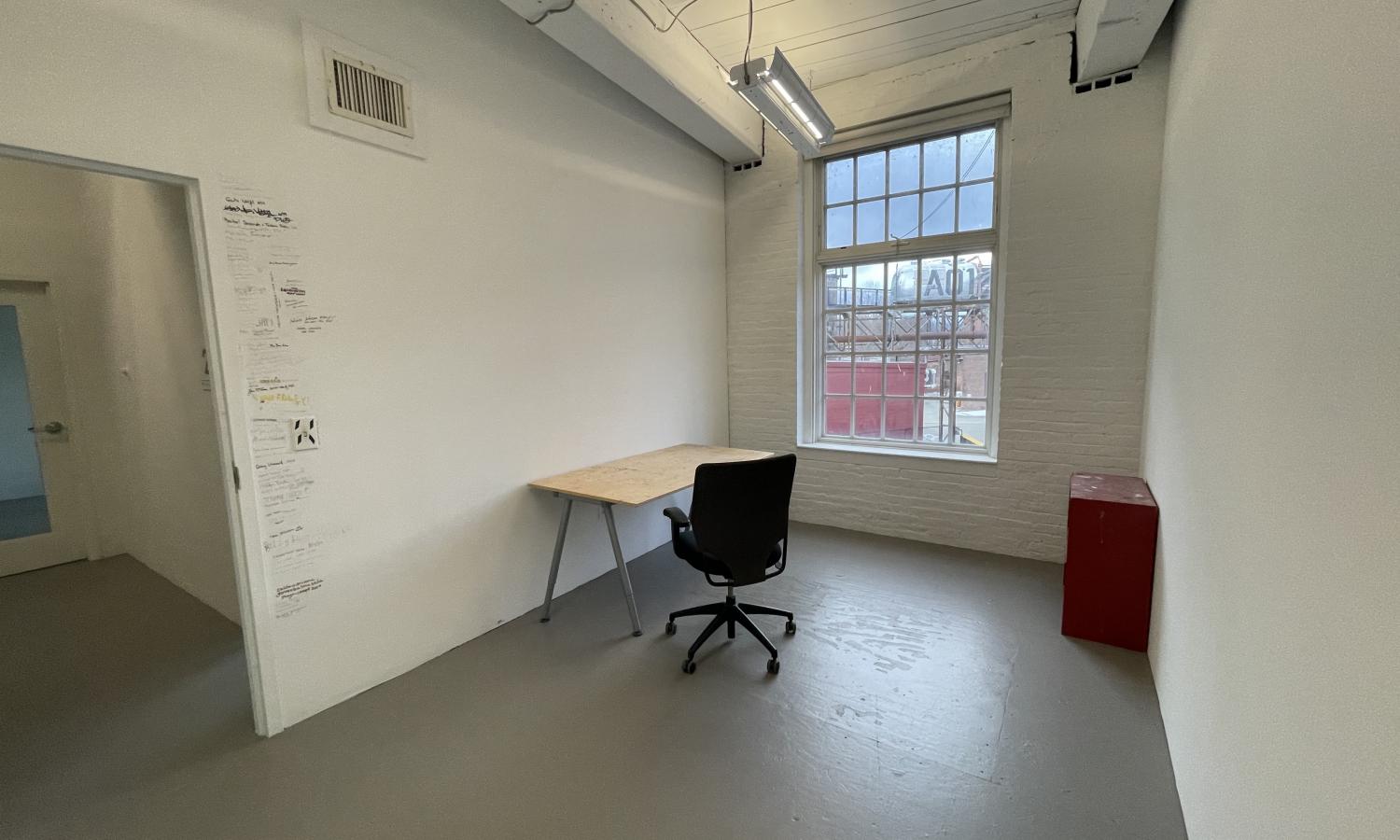
Wassaic Project Maxon Mills: 7-story former grain elevator that now houses our exhibition program, eduation center, offices, and winter artist studios.

Wassaic Project Maxon Mills: 7-story former grain elevator that now houses our exhibition program, eduation center, offices, and winter artist studios.

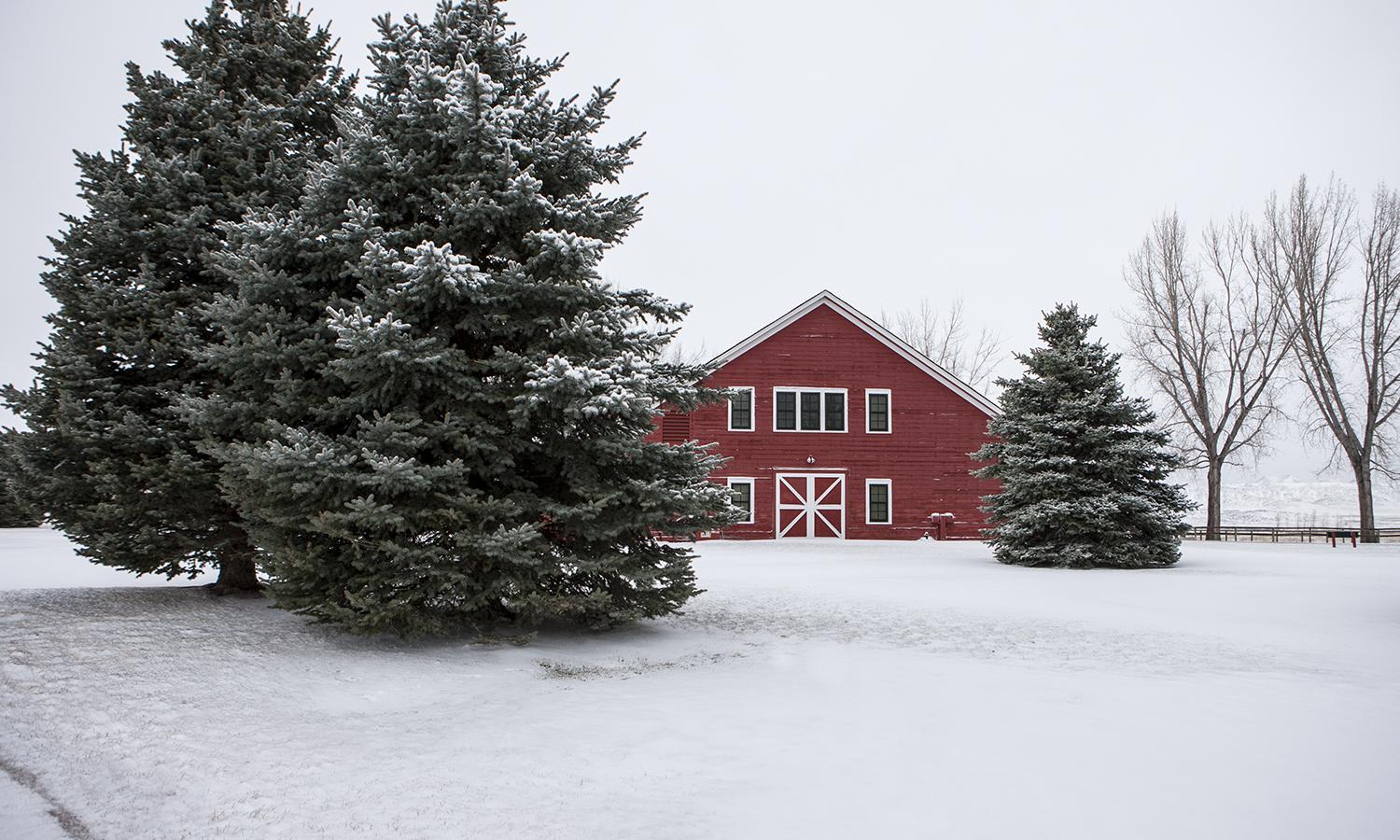
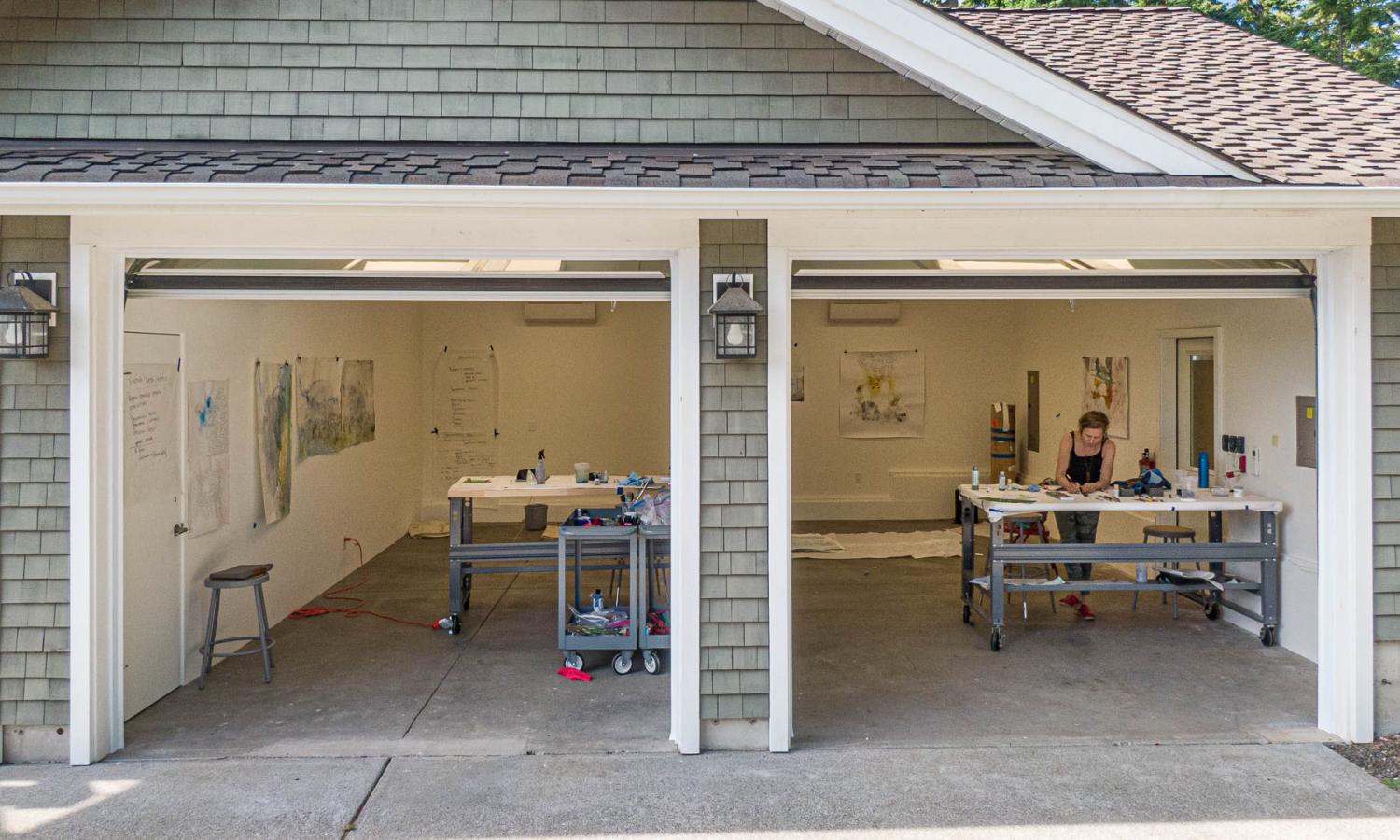
Luther Barn: former livestock barn, which houses our summer artist studios, seasonal Print shop, and Wood shop

Luther Barn: former livestock barn, which houses our summer artist studios, seasonal Print shop, and Wood shop

Maxon Mills in the winter

Maxon Mills in the winter

Luther Barn: former livestock barn, which houses our summer artist studios, seasonal Print shop, and Wood shop

Luther Barn: former livestock barn, which houses our summer artist studios, seasonal Print shop, and Wood shop

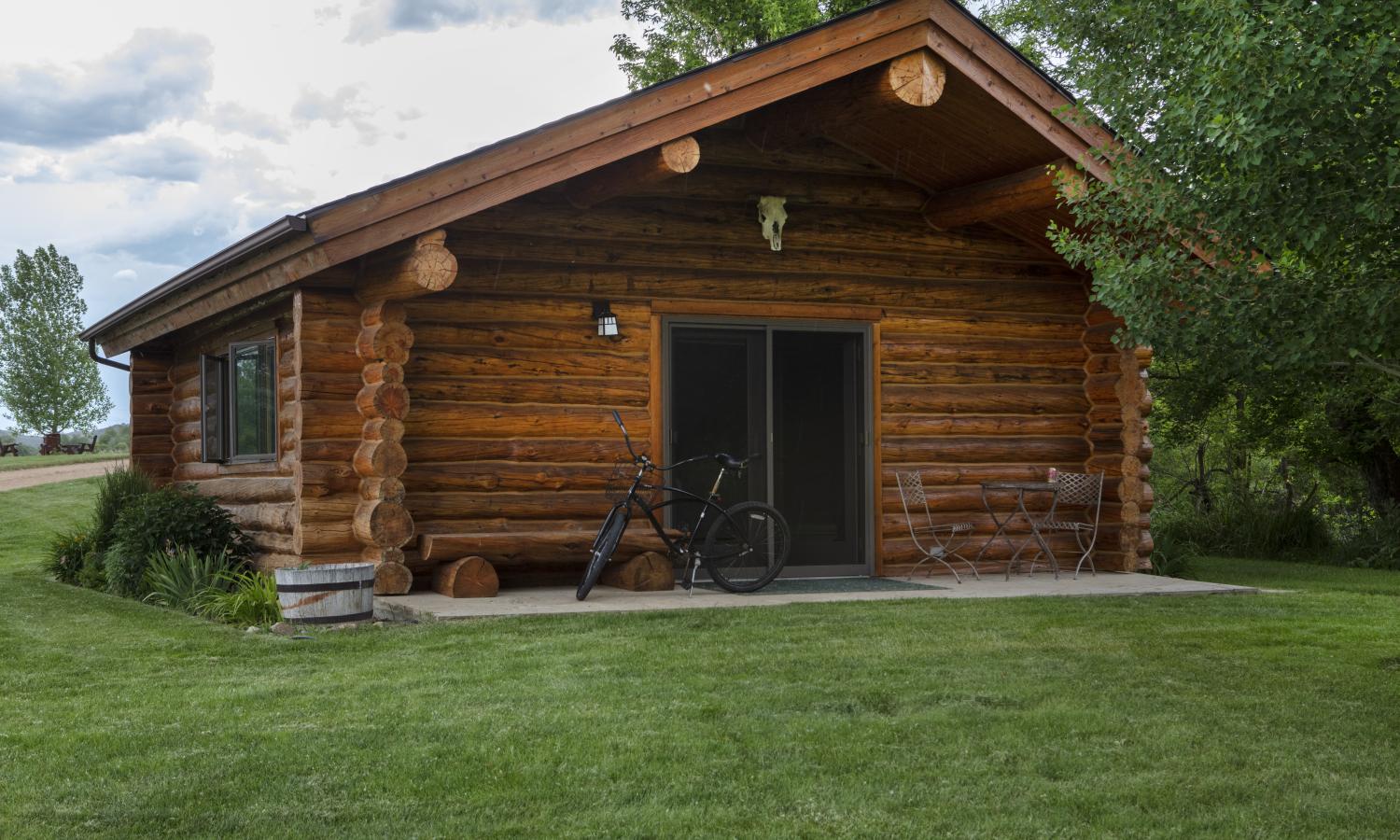
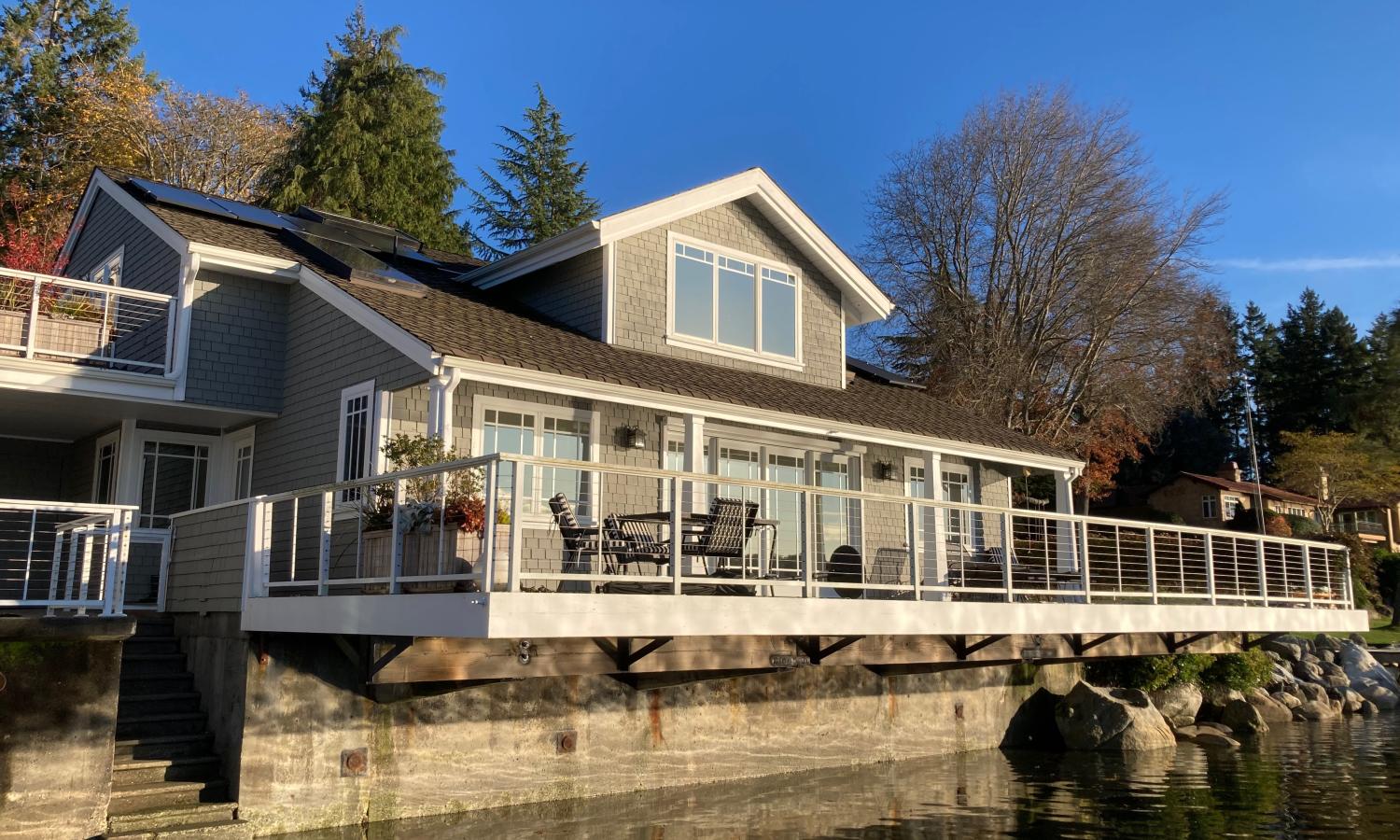
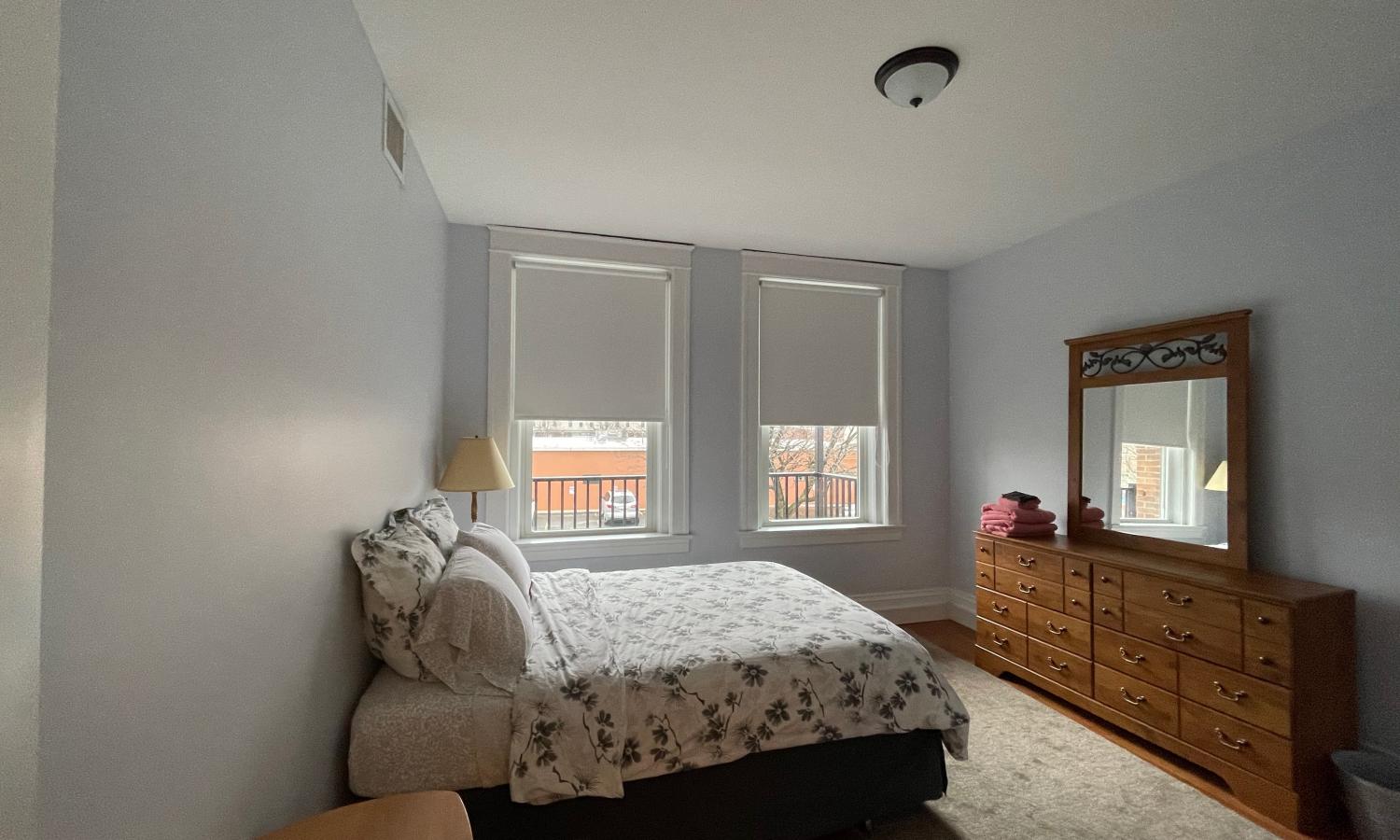
Residency House: 2 story residency house for our Family Residency program, which includes 3 bedrooms, 1 full bathroom, living room, kitchen

Residency House: 2 story residency house for our Family Residency program, which includes 3 bedrooms, 1 full bathroom, living room, kitchen

The Lantern Inn: the Wassaic Project's bar and restaurant in town, directly across the street from the Wassaic Project

The Lantern Inn: the Wassaic Project's bar and restaurant in town, directly across the street from the Wassaic Project

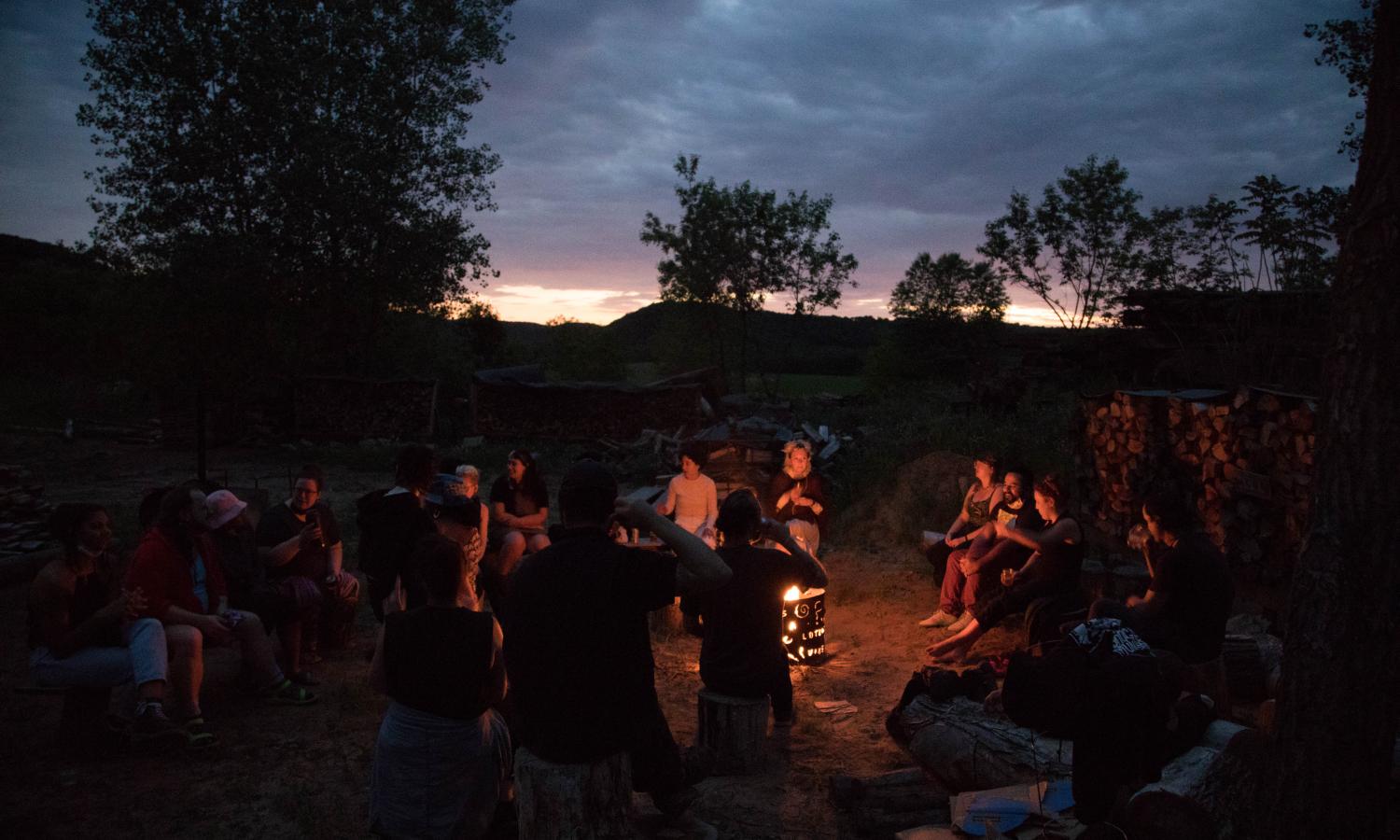
Nina Cooke John's outdoor sculpture - "Point of Action" - in the Luther Barn field at night

Nina Cooke John's outdoor sculpture - "Point of Action" - in the Luther Barn field at night

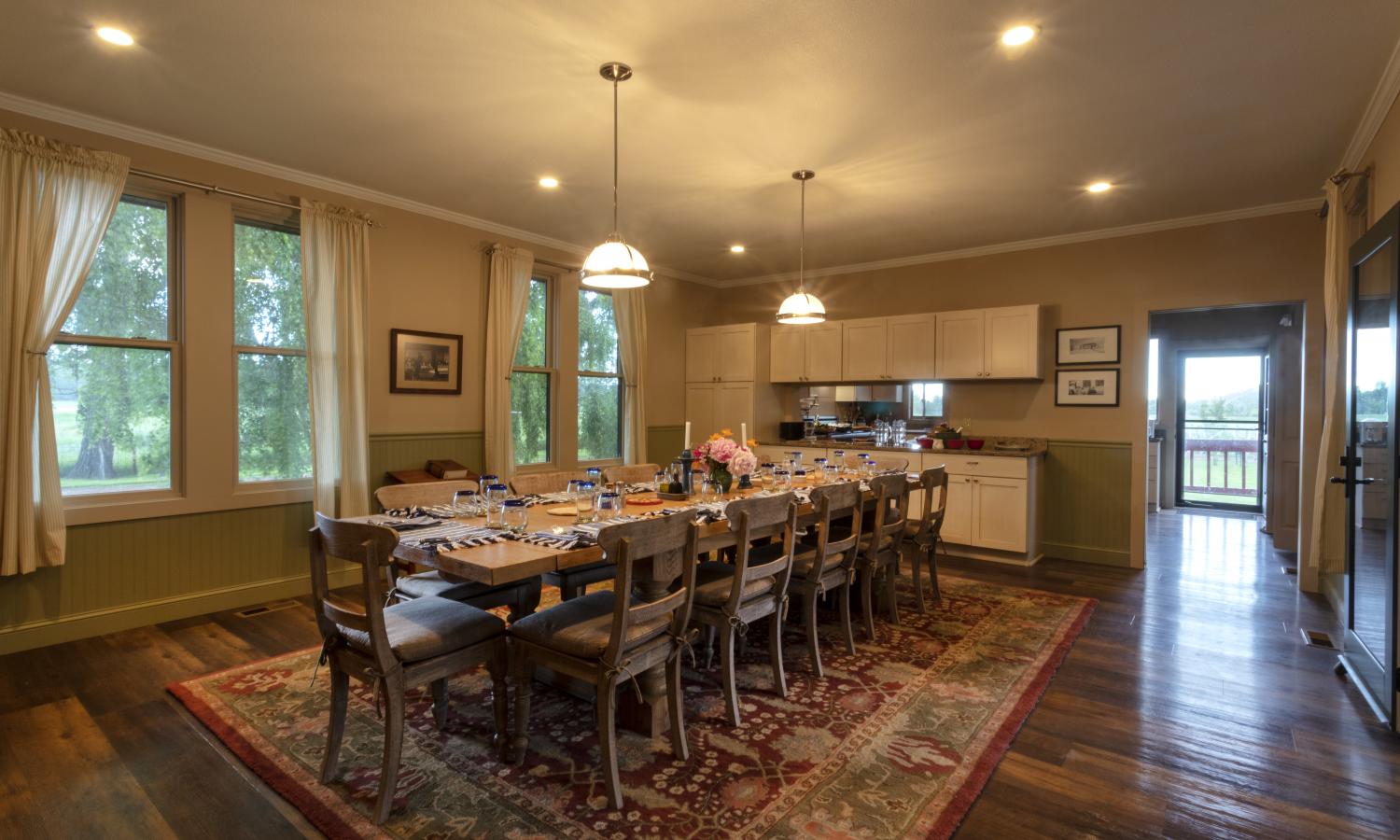
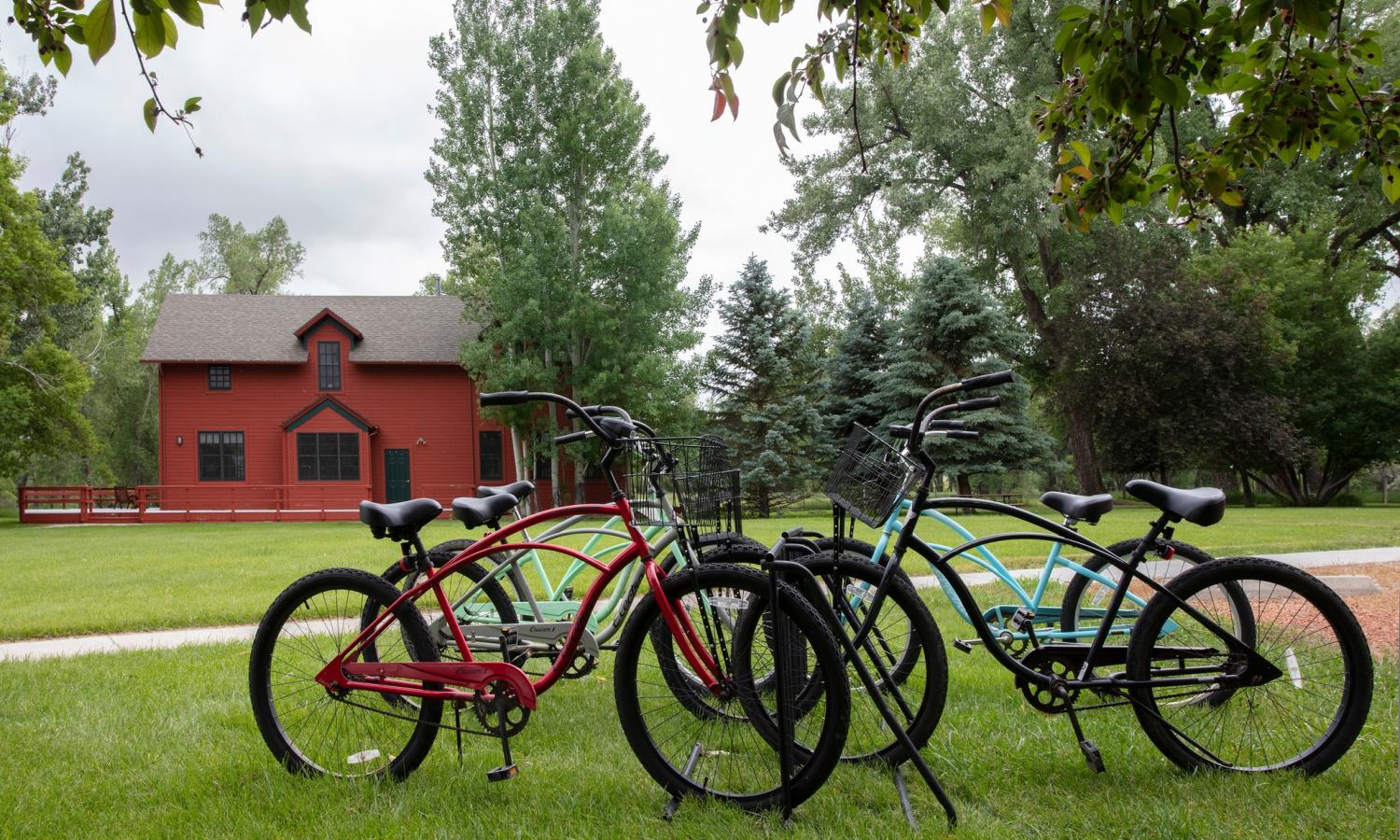
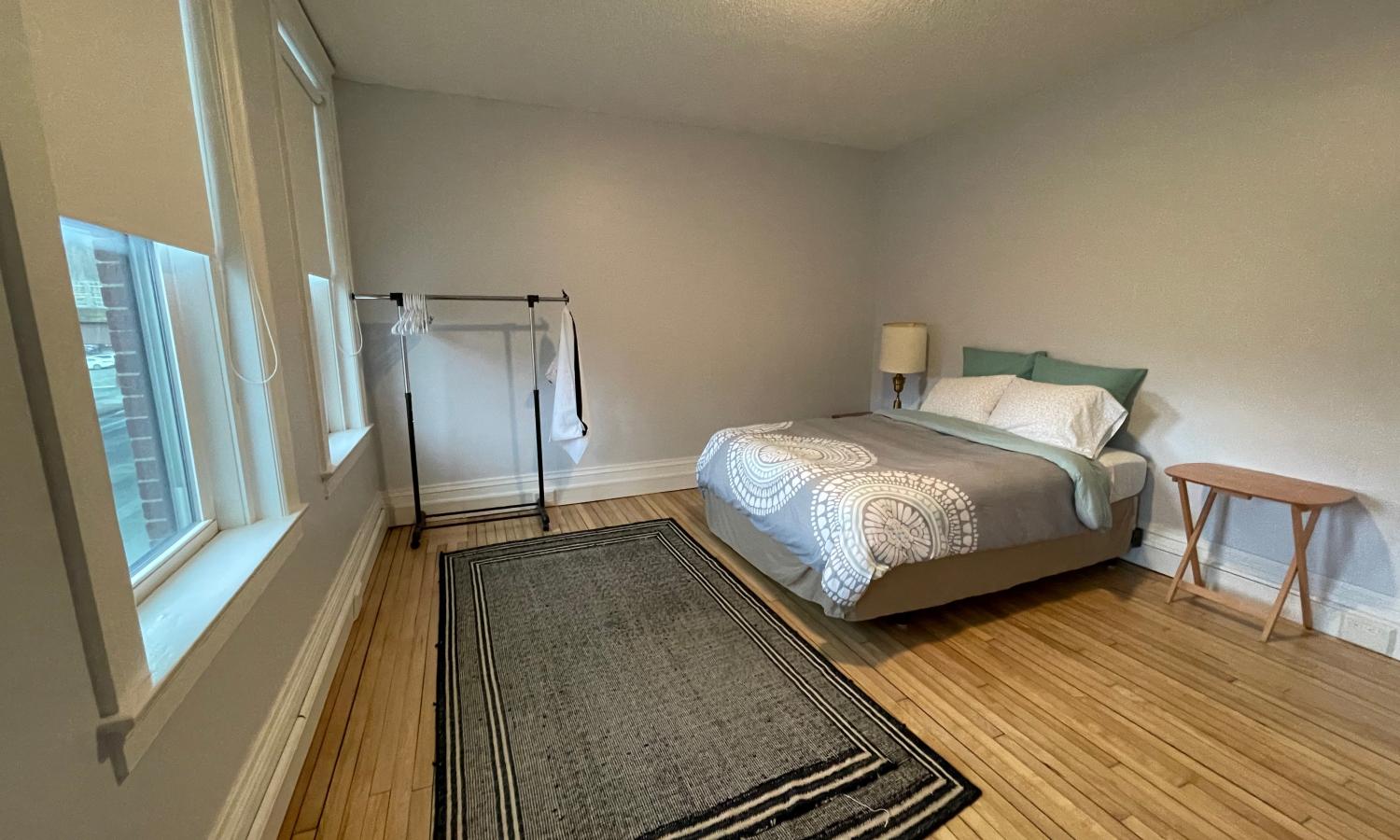
Residency House: former Schoolhouse from the 1850s, now includes 4 bedrooms, 2 full bathrooms, kitchen, living room, and large basement

Residency House: former Schoolhouse from the 1850s, now includes 4 bedrooms, 2 full bathrooms, kitchen, living room, and large basement

Wassaic Project signage on Route 22 in the shape of Maxon Mills

Wassaic Project signage on Route 22 in the shape of Maxon Mills

Wassaic Project oudoor Summer Festival

Wassaic Project oudoor Summer Festival

Wassaic Project Artist Residency

Wassaic, NY, United States

Mission

The Wassaic Project, a 501(c)(3) non-profit organization, uses art and arts education to foster positive social change. We nurture connections between our artists and our neighbors facilitating a mutual broadening of perspectives and respect across economic and cultural boundaries.

Vision

The Wassaic Project envisions a community in the Hamlet of Wassaic and its surrounding region that is socially inclusive, generous, cooperative, and economically vibrant.  

We engage in a collaborative effort with members of our community to develop programs that are creative, experimental, and accessible across the economic spectrum.

We strive to be actively anti-racist and to have diversity, equity, inclusion, and accessibility as an integral part of our programs and initiatives. We will continually evaluate, solicit feedback, and evolve our efforts to ensure their effectiveness.

We build local pride and community vitality by an informed sense of the past and a clear, contemporary, innovative, and compassionate look toward the future.

We foster the youth in our community and help them realize their full potential.  

We aim to be financially stable with a creative staff and multiple partners — nonprofit, public, and private.

It is our hope that the work that we do in Wassaic will be shared nationwide and serve as a toolkit for community revitalization through the arts and the spirit of generosity. Above all else, we honor and respect our community.


Contact

37 Furnace Bank Road
Wassaic, NY 12592
United States

Year Founded
2008
Context
Rural
Residency Structure
Embedded in an arts or cultural organization (including theater + gallery)
Embedded in historic site
Longterm/embedded in neighborhood
Residency Program Type
Studio-based (with housing)
Retreat
Community-engaged
Research
Experiential
Residency Length
10 days - 6 months
Languages
English
Average Number of Artists in Residence at a Time
10
Collaborative Residency
May apply as a team
Discipline
Drawing
Interdisciplinary Arts
Mixed Media
Painting
Printmaking
Sculpture
Visual Arts
Book Arts
Ceramics/Clay Arts/Pottery
Costume/Fashion Design
Digital Fabrication
Fine Metals/Jewelry
Installation Arts
Paper Arts
Textile & Fiber Arts/Weaving
Woodworking
Criticism
Fiction
Literary Nonfiction
Literature
New Genres
Nonfiction
Playwriting
Poetry
Screenwriting
Writing
Acting
Choreography
Dance
Performance Art
Theater
Music
Animation
Augmented Reality
Digital Media
Documentary
Electronic Arts
Film
Moving Image
Multimedia Arts
Photography
Sound Art
TV + Radio
Virtual Reality
Graphic Design
Illustration
Environmental Arts
Public Art
Social Practice
Companions
Pets (Non-service animals)
Country of Residence
Open to artists based anywhere in the world
Family Friendly
Residents granted leave during residency
Spouses/partners allowed for full stay (non-collaborators)
Children allowed for full stay
Childcare stipend provided
Stage of Career
Any stage of career
Additional Expectations/Opportunities
N/A
Participate in public programming
Participate in open studio with fellow residents
Give artist talk or presentation
How does your residency program support artists?
Opportunity to be in another context
Unstructured time
Access to studio space to create new work
Access to equipment, specialized facilities and/or technical support
Inspiration from natural environment
Professional development support and/or trainings
Opportunities to develop relationships with local or regional artists/arts organizations
Opportunities to collaborate with other artists/residents
Opportunities to develop relationships with other artists/residents
Opportunities for work with the local community
Opportunities to exhibit or perform new work
Additional Eligibility Information

Application Requirements

  • Contact information

  • 1–10 work samples 

  • CV (3 pages max)

  • 2 references 

  • $25 application fee

  • Proposal: We believe our residency works best as a creative laboratory untied to outcome. We would like to hear about what makes you curious, what you are interested in investigating, and what your jumping off point would be. (200 words max)

  • Optional question: We want to look at your work according to your definition of success. Are there additional criteria that you would like the panel/us to consider when reviewing your work? For example: What do you consider to be a successful piece or process? If you work with a community, the artistic product may not be the sole or most important creation of the work. Are there other impacts and creations in your process we should focus on? Please share any documentation that could bring us close to these impacts—interviews, testimony from participants, writing about the work, images from an event, etc.

Review

Artists-in-residence are selected by a review panel composed of the Wassaic Project Co-Directors, Director of Artistic Programming, and professionals in the field. Residents will be selected based on the quality of their work, commitment to their practice, and ability to interact positively with the community at large.


For more info:

https://www.wassaicproject.org/artists/applications

Number of Artists Accepted in Most Current Year
50
Total Applicant Pool in Most Current Year
700
Artist Stipend
0
US Dollar (USD)
Travel Stipend/Material Stipends
0
US Dollar (USD)
Residency Fees
600
US Dollar (USD)
Fee Details

The actual cost of each residency is $5,000 per month, which includes a semi-private studio, private bedroom, full use of our facilities, visiting artist program, studio visits, insurance, and staff support. In an effort to serve and support emerging artists, we attempt to subsidize residencies for all individual artists who do not have other forms of support. Thanks to the generous support of donors and grants, the artist’s contribution for the winter residency program is $600 per a 4-week period.

We also offer need-based financial assistance to artists-in-residence for whom it would be impossible to attend without financial support. Financial need is self-reported by artists in their applications. We ask that artists who are in a position to fully contribute towards the residency fee please do so.


Grant/Scholarship/Other Funding Support
0
US Dollar (USD)
Grant/Scholarship/Other Funding Support Details

The Wassaic Project offers the following Fellowships:

  • The Work and Family Fellowship offers no-fee residencies and $500 honorariums to several artists-in-residence per year participating in the Family Residency program.
  • The Sustainable Arts Fellowship offers no-fee residencies and $500 honorariums to several artists who identify as Black, Indigenous or a Person of Color per year participating in the Family Residency program.
  • The Mary Ann Unger Fellowship offers a no-fee residency to 1 female-identifying artist who identifies as Black, Indigenous or a Person of Color per year who primarily works in sculpture.
  • The ArtForArtists Fellowship for Social Justice Based Practice offers a no-fee residency and $500 honorarium to 1 artist who identifies as Black, Indigenous or a Person of Color per year.

To be considered for the Work and Family Fellowship and Sustainable Arts Fellowship:

In your application, please take some time to reflect on the ways in which care and caregiving, whatever those words mean to you, come through (or might come through) in your work. It’s okay if this isn’t something you’ve considered before. We think of these Fellowships as a starting point towards building a future where artists shape the way society sees and values care.

All applicants are considered for the Mary Ann Unger Fellowship and the ArtForArtists Fellowship for Social Justice Based Practice and do not have to complete any additional information on their application.


Application Fee
25
US Dollar (USD)
Application Type
Open application
What does your program provide during the residency experience?
Pre-orientation
Manual / handbook before arrival
Communication before arrival to discuss accommodations, medical conditions, or other health needs
Orientation upon arrival
Contact information and available accommodations for programs, events, and campus
Links to resources, effective practices, grievance procedures, etc.
Written and or hard copies of text being presented
Staff/volunteer reading information aloud
Staff/volunteer giving directions
Staff/volunteer providing guidance to help locate facilities or activities
Is your campus wheelchair accessible?
Partially Accessible
Inaccessible
Additional Accessibility Information

We operate out of historic agricultural buildings, so many of our spaces are not accessible at this time. The ground floor of Maxon Mills has ramp access through a side entrance, and an ADA-compliant bathroom accessible from outside. The Auction Ring, where we host our artist lecture series in the summer, has some seating that is accessible by ramp. Our other spaces are all up at least one set of steps. Visitors who need to move around, twitch, pace, or not make eye contact are welcome. If you have access needs not addressed here, email us and we’ll work with you to support them.

Caregiver/Aide/PCA
Housing available on campus
Accessibility Contact Name
Dani Klebes
Accessibility Contact Email
danielle@wassaicproject.org
Other Services/Aids Offered in Residency + Other Programming

N/A

How much of the residency experience can artists with limited mobility participate?

The ground floor of Maxon Mills has ramp access through a side entrance, and an ADA-compliant bathroom accessible from outside. The Auction Ring, where we host our artist lecture series in the summer, has some seating that is accessible by ramp. Our other spaces are all up at least one set of steps.

Please briefly describe the facilities and areas of the campus that are NOT accessible.

We operate out of historic agricultural buildings, so many of our spaces are not accessible at this time. 

Type of Housing
Private housing on campus (individual apartment/cabin/house)
Private bedroom in a shared housing facility on campus
Accessible Housing
Inaccessible
Housing for Companion And/or Caregivers
Housing available
Accessible Communal Spaces
Inaccessible
Common/Communal Spaces Information

For communal spaces, we have a small kitchen space and a library on the second floor of our main building (accessible only via stairs). Each residency house has a shared kitchen and living room. 

Additional Housing Information
Access to laundry on campus
Access to laundry in housing
WIFI available in housing
Meals Provided
Residents have access to shared kitchen
No meals are provided
Additional Meals Information
N/A
Computer/Internet Access
Computer and internet connection provided in common area (shared)
Computer and internet connection provided in studio area (private)
Wireless Internet (WIFI)
Studios/Facilities Details

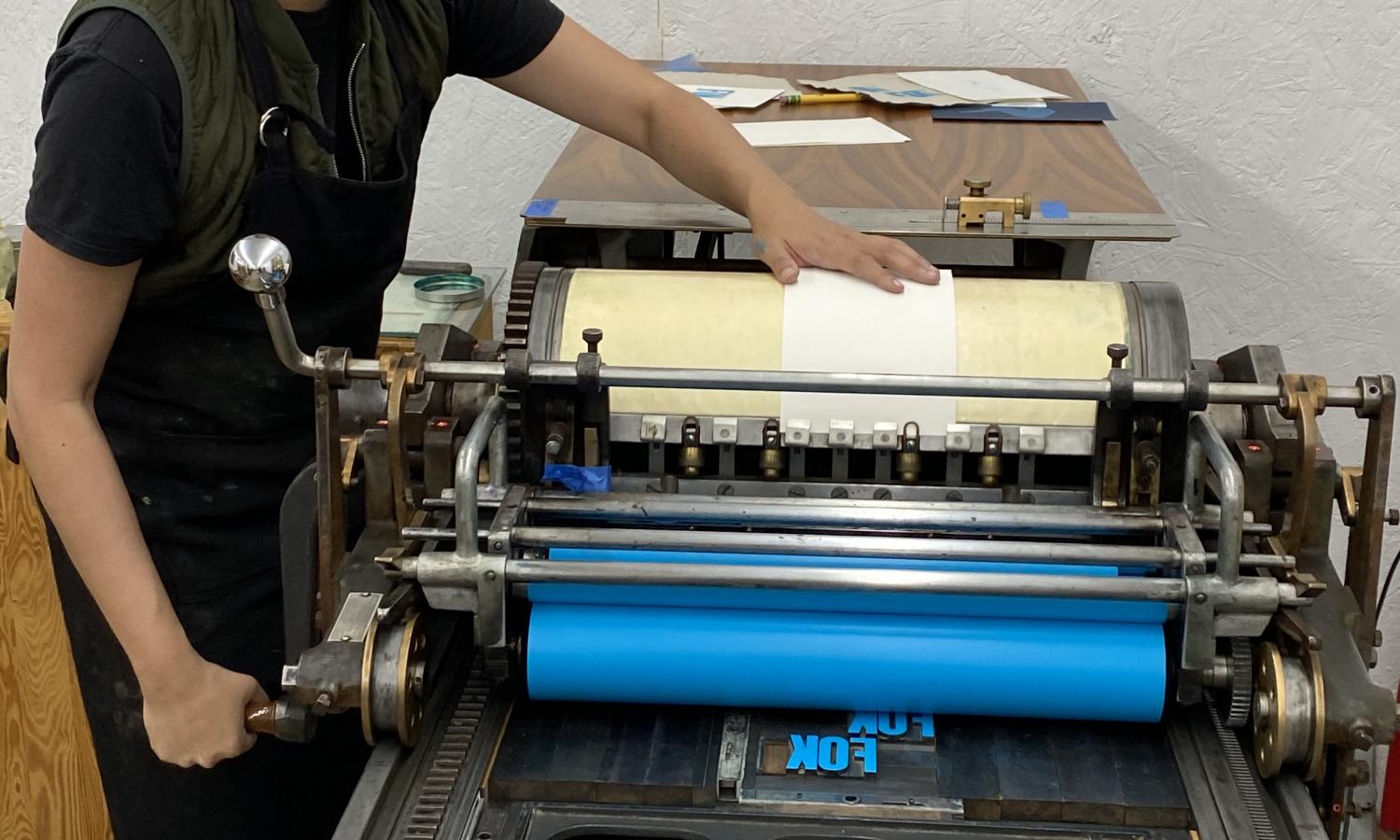
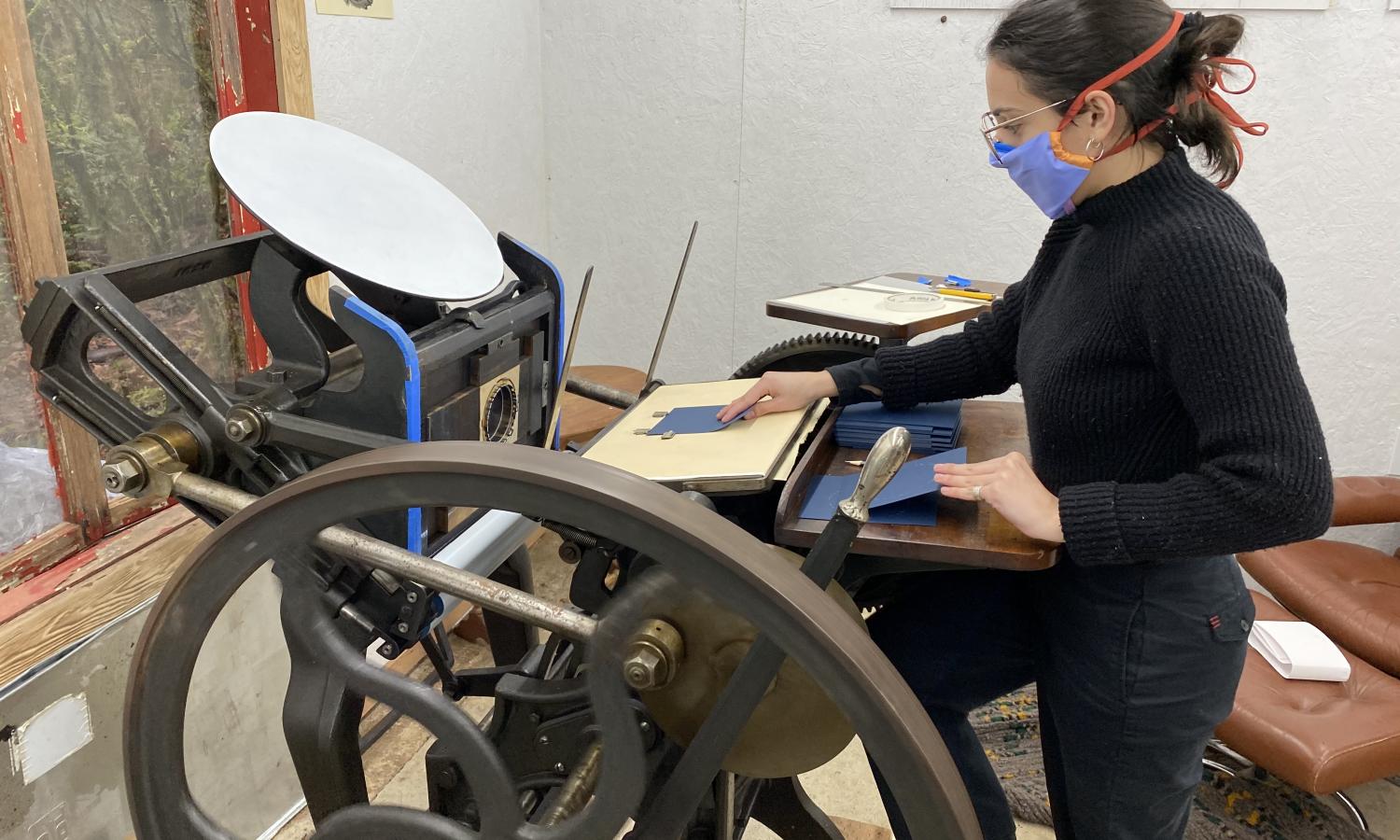
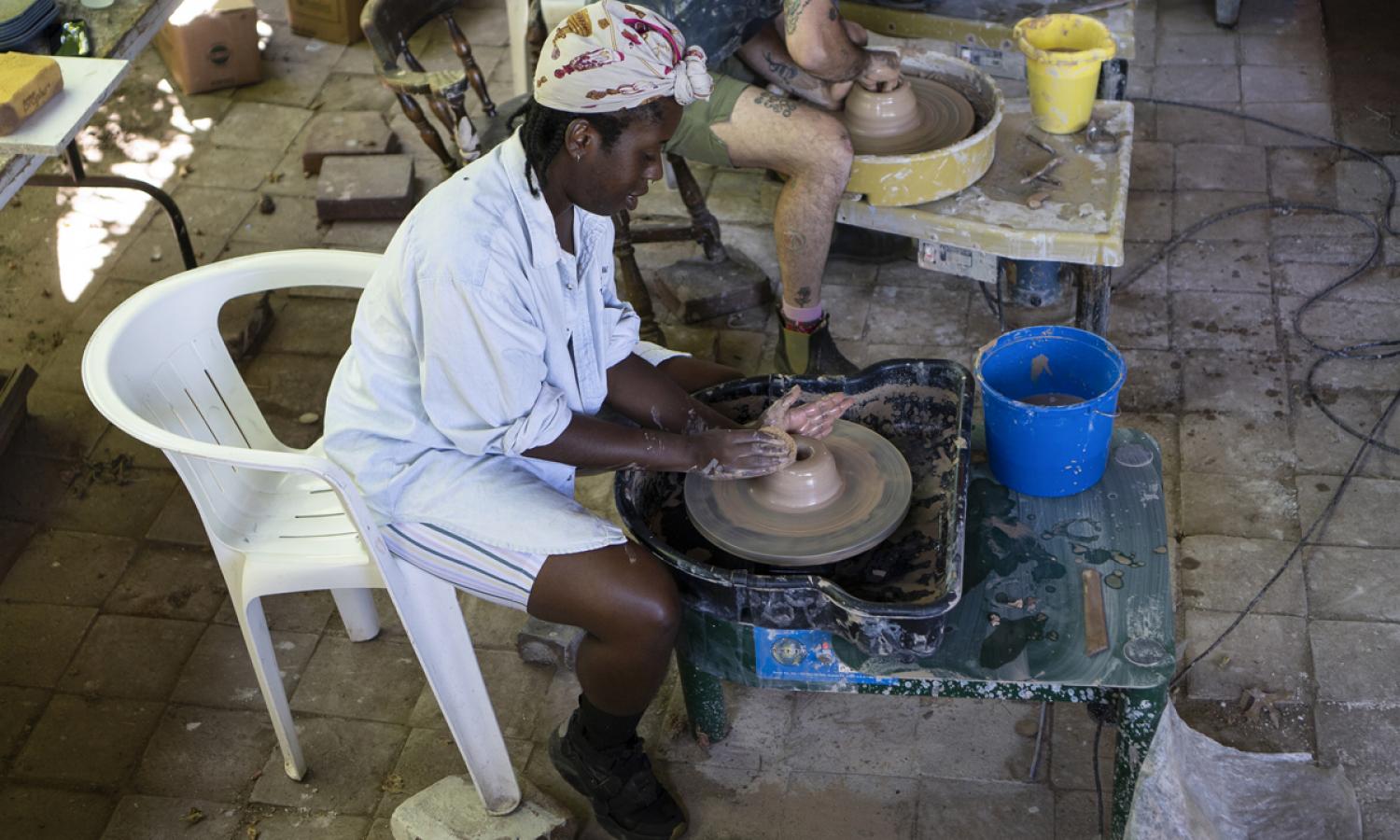
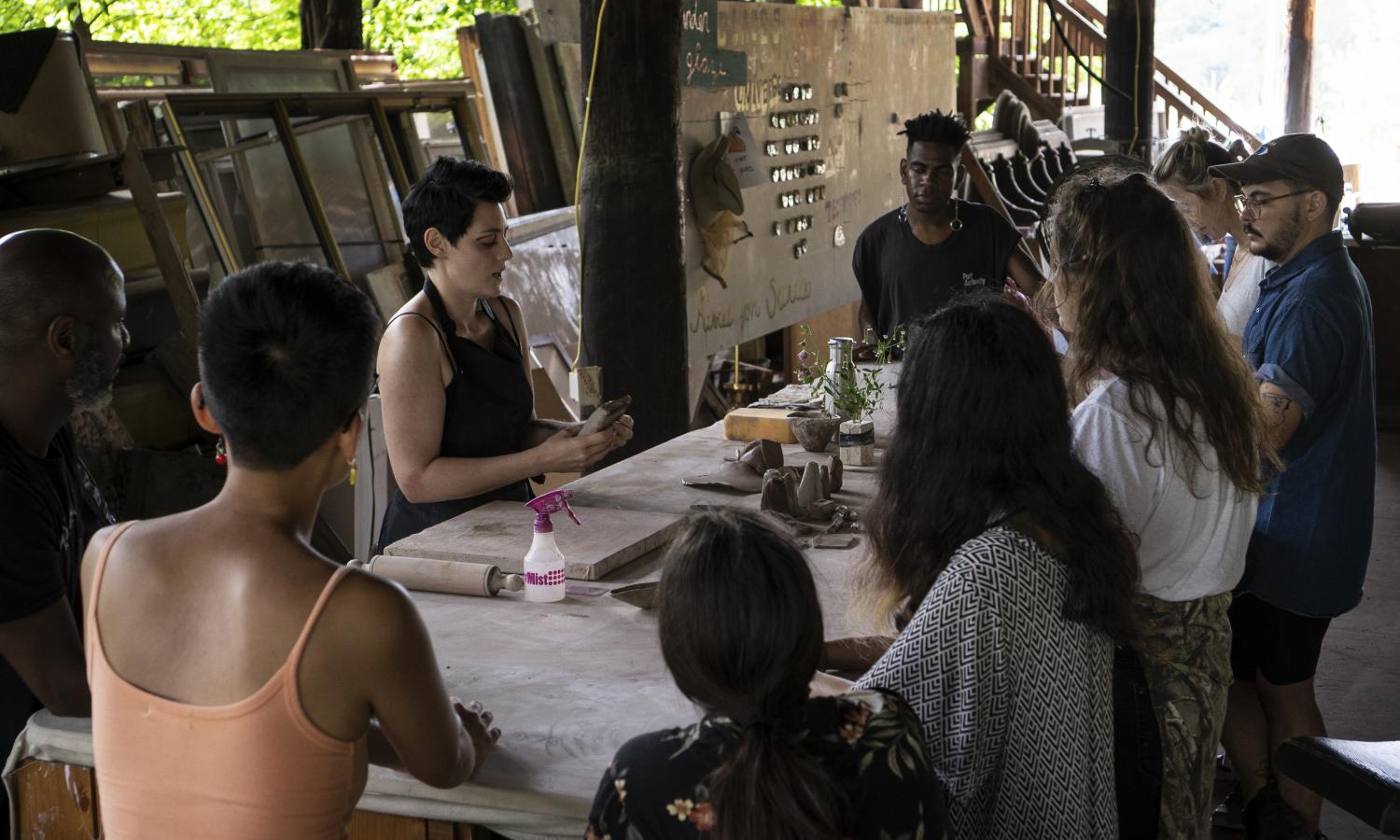
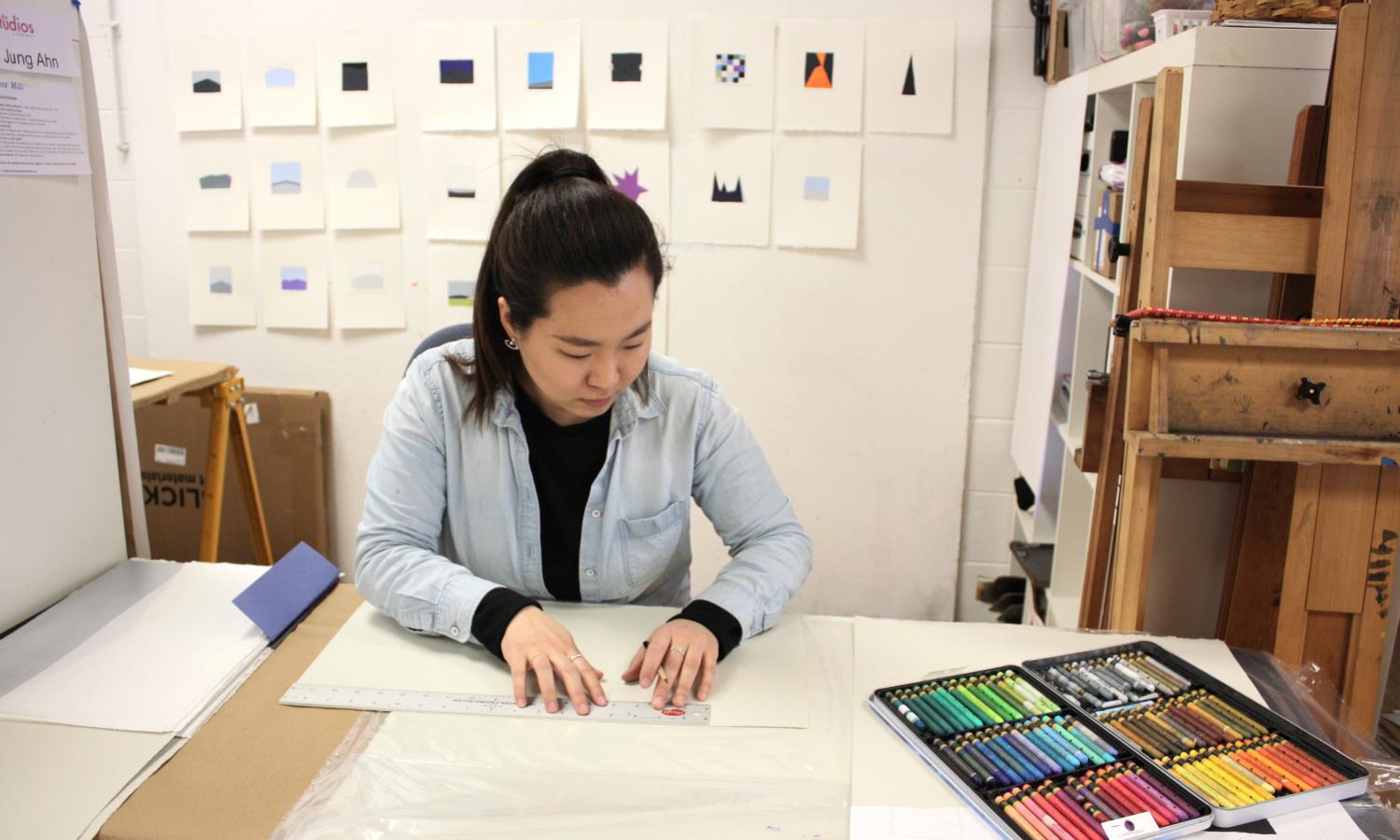
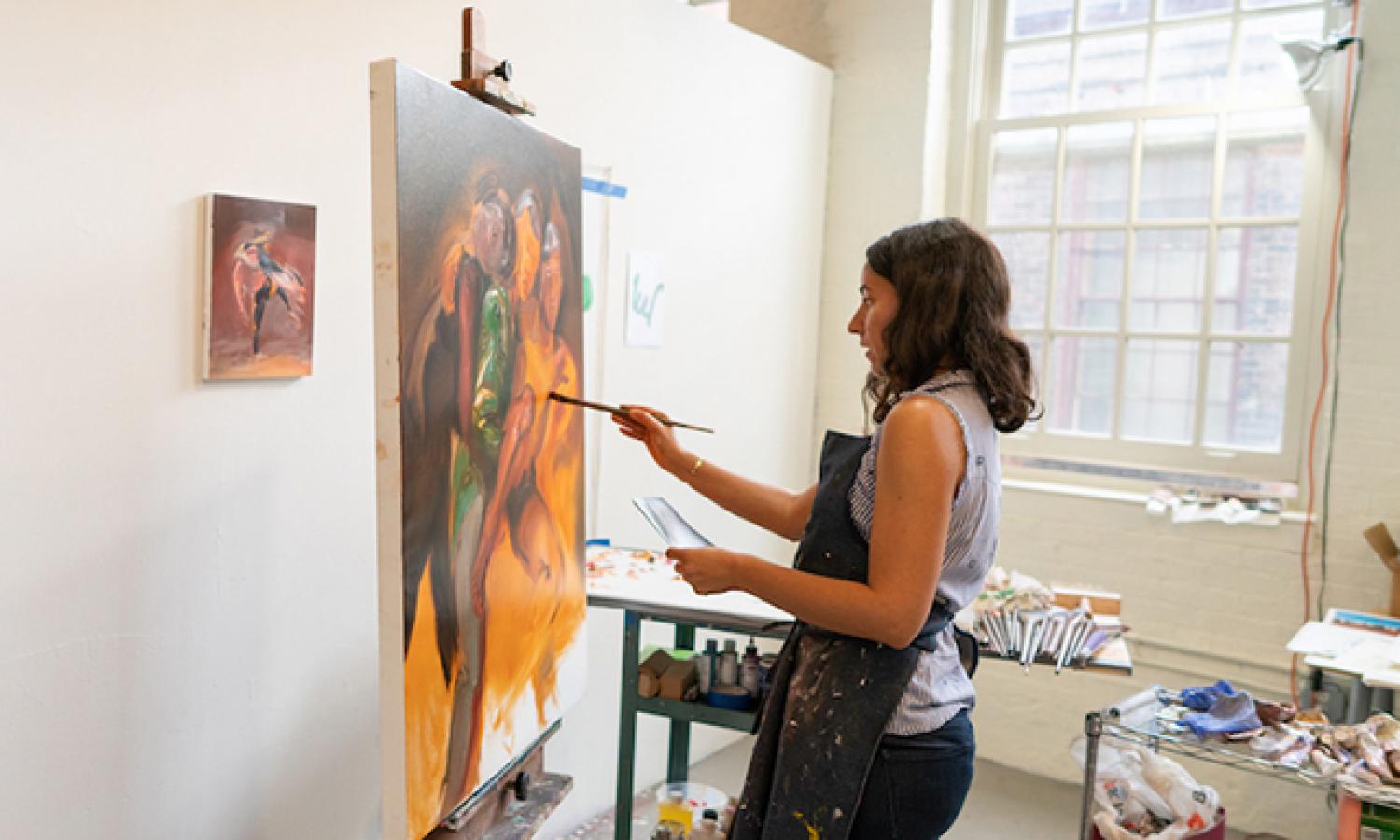
Our summer studios are in the Luther Barn. It’s airy, and it’s historic (built in 1875), and it’s right in the heart of town. Residents work out of 200-300 square foot refurbished livestock pens under wood beam ceilings (or outside, if they'd like). They have 24-hour access to their studios, our print shop, our wood shop, and our ceramics studio.

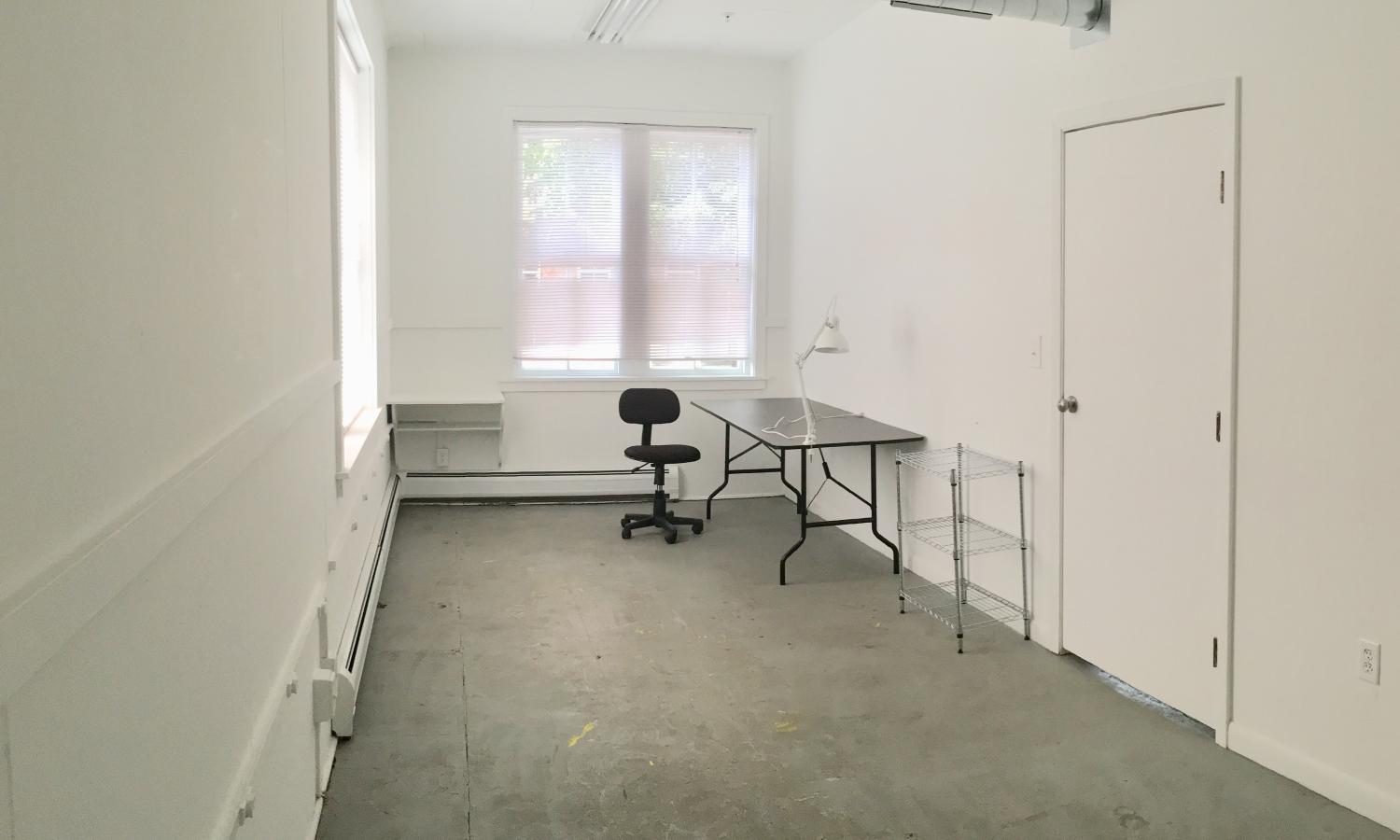
Winter residents receive 24-hour access to an adaptable, semi-private, ~100 square-foot studio space in the historic Maxon Mills. 

Studios/Special Equipment
Private Studios
Dedicated Studio/Shop Technicians - Part Time
Exhibition / Installation Space
Ceramics Workspace
Electric Kiln
Painting Workspace (Oil)
Easels
Printmaking Workspaces
Drying Racks
Silkscreen Studio
Large Exposure Unit
Washout Room
Dedicated Wood Shop
Woodworking Tools
Tablesaw
Bandsaw
Studios/Facilities Accessibility
Inaccessible
Studio Support/Tech
Studio/facility orientation provided
Tech hours
On-call Studio support provided

Jordan Schnitzer Printmaking Residency

The print studio at Sitka

The print studio at Sitka

Jordan Schnitzer Printmaking Residency

Otis, OR, United States

The annual Jordan Schnitzer Printmaking Residency was established in 2002 to provide working artists with little or no printmaking experience the opportunity to explore a new creative medium with guidance, instruction and technical assistance from a professional etching printer, Julia D'Amario. 

Master Printer Julia D'Amario, worked at Pace Editions in New York City for seventeen years, before moving to rural California in 2006. D'Amario first came to the Sitka Center as a resident artist in 1997. She developed a deep connection to Sitka and the Oregon coast and enthusiastically agreed to become involved in developing the print program. Jordan Schnitzer, one of Portland's most prominent print collectors, generously pledged his support for the project and has been funding it since its inception.

Contact

56605 Sitka Drive
Otis, OR 97368
United States

Year Founded
2002
Context
Rural
Remote
Residency Structure
Embedded in an arts or cultural organization (including theater + gallery)
Longterm/embedded in neighborhood
Embedded in intentional community
Residency Program Type
Studio-based (with housing)
Thematic
Retreat
Experiential
Residency Length
2 weeks - 2 weeks
Languages
English
Average Number of Artists in Residence at a Time
1
Collaborative Residency
Must apply and be accepted individually
Discipline
Visual Arts
Country of Residence
Open to artists based anywhere in the world
Family Friendly
Spouses/partners allowed for full stay (non-collaborators)
Stage of Career
Any stage of career
Emerging
Mid-career
Established
Additional Expectations/Opportunities
Give artist talk or presentation
How does your residency program support artists?
Opportunity to be in another context
Opportunity to travel
Unrestricted funding
Restricted funding
Art production support
Access to studio space to create new work
Access to equipment, specialized facilities and/or technical support
Access to training on new artistic techniques and/or apprenticeship
Inspiration from natural environment
Opportunities to develop relationships with local or regional artists/arts organizations
Opportunities to collaborate with local or regional artists/arts organizations
Opportunities to collaborate with other artists/residents
Opportunities to develop relationships with other artists/residents
Opportunities for work with the local community
Number of Artists Accepted in Most Current Year
3
Total Applicant Pool in Most Current Year
13
Artist Stipend
1000
US Dollar (USD)
Travel Stipend/Material Stipends
500
US Dollar (USD)
Residency Fees
0
US Dollar (USD)
Fee Details

Living and studio spaces are provided free of charge. There is an application fee of $30 to help cover the administrative costs to carefully review each residency application. Sitka offers application fee assistance to those for whom this is a barrier. Each resident is responsible for all of their own travel and living expenses, including transportation food, toiletries and any supplies used in their work.

Grant/Scholarship/Other Funding Support
0
US Dollar (USD)
Grant/Scholarship/Other Funding Support Details

If you are looking for funding and resources to cover your residency at Sitka please check out this link as a first step.

https://www.artistcommunities.org/funding-residencies

Application Fee
30
US Dollar (USD)
Application Type
Open application
What does your program provide during the residency experience?
Pre-orientation
Manual / handbook before arrival
Communication before arrival to discuss accommodations, medical conditions, or other health needs
Orientation upon arrival
Contact information and available accommodations for programs, events, and campus
Written and or hard copies of text being presented
Contact info for accessibility requests for event/programming
Is your campus wheelchair accessible?
Partially Accessible
Additional Accessibility Information

Sitka’s studios, the office and library are ADA accessible. We have one cabin that is ADA accessible The cabins and studios are situated on a steep slope that also impacts accessibility at our facility. There is a gravel pathway from the parking lot to the office. We have a courtyard behind and above the office that can be reached via car. This courtyard has ramps off of it with access to two studios and our ADA cabin. Please contact us directly with specific questions or provide information about your needs in your application. Sitka is unable to accommodate residents’ pets. If you require a certified service animal, please disclose this information in your application so that we may accommodate you appropriately.

Caregiver/Aide/PCA
Case by case consideration by staff
Accessibility Contact Name
Tamara Jennings
Accessibility Contact Email
Tamarajennings@sitkacenter.org
Accessibility Contact Phone Number
Other Services/Aids Offered in Residency + Other Programming

For residents without access to a car we provide grocery pick-up services from our local grocery store.  residents can order their groceries online and we will pick them up and deliver them to the resident.

We can assist with connecting residents with volunteers to explore the local area together.

For orientation there is lot's of information we tell residents, we can assist with an orientation document with bullet points for residents to take notes on to help with processing all the information.  

How much of the residency experience can artists with limited mobility participate?

The office, library and all three studios are accessible for a person with limited mobility.  We have one house that is designed for a person with limited mobility..  

Please briefly describe the facilities and areas of the campus that are NOT accessible.

The campus is situated on a steep hill.  Most of the houses have stairs in order to access the living spaces.  The laundry room is not accessible without climbing stairs.

Type of Housing
Private housing on campus (individual apartment/cabin/house)
Private housing off campus (individual apartment/cabin/house)
Accessible Housing
Partially Accessible (50% or more)
Housing for Companion And/or Caregivers
Case by case consideration
Additional Housing Information
Access to laundry on campus
WIFI available in housing
Heat and Cool control managed by resident
Meals Provided
Residents have access to private kitchen
Computer/Internet Access
Computer and internet connection provided in common area (shared)
Wireless Internet (WIFI)
Ethernet provided in living or studio area
Studios/Facilities Details

Sitka's studios are comfortable and flexible. We can provided basic items like easels, task lights, tables and chairs. One studio contains a printing press, and there is a small ceramics studio on campus. Sitka does not provide art or laboratory supplies used for art making or scientific investigation. Please talk with us about your specific needs.

Studios/Special Equipment
Dedicated Studio/Shop Technicians - Full Time
Printmaking Workspaces
Etching Press
Glass Inking Table
Drying Racks
Aquatint Box
Hot Plates
Light Tables
Large Sinks
Studios/Facilities Accessibility
Partially Accessible (50% or more)
Studio Support/Tech
Studio/facility orientation provided
Studio support provided by dedicated tech

Recorder Instrument Residency

side view of person about to play a recorder

side view of person about to play a recorder

Recorder Instrument Residency

Otis, OR, United States

Members of the Oregon Coast Recorder Society have raised $103,000 to establish a recorder residency at Sitka, beginning in 2003.

To be eligible for the residency, applicants are required to earn part of their income from recorder performance or recorder instrument composition. This is to indicate that applicants should have a degree of professionalism, and people at the beginning of a career are as welcome as mature artists.

Residencies are 2 – 6 weeks in length, and living space and a studio are provided. Past residents have taught  workshops  and given concerts in the community. New in 2022: An anonymous donor is supporting a $500/week honorarium in support of this residency. The honorarium can be used in any way the resident chooses.

Contact

56605 Sitka Drive
Otis, OR 97368
United States

Year Founded
2003
Context
Rural
Remote
Residency Structure
Embedded in an arts or cultural organization (including theater + gallery)
Longterm/embedded in neighborhood
Embedded in intentional community
Residency Program Type
Studio-based (with housing)
Thematic
Retreat
Experiential
Residency Length
2 weeks - 6 weeks
Languages
English
Average Number of Artists in Residence at a Time
1
Collaborative Residency
Must apply and be accepted individually
Discipline
Music
Country of Residence
Open to artists based anywhere in the world
Family Friendly
Residents granted leave during residency
Spouses/partners allowed for full stay (non-collaborators)
Children allowed for full stay
Stage of Career
Any stage of career
Emerging
Mid-career
Established
Additional Expectations/Opportunities
Give artist talk or presentation
How does your residency program support artists?
Opportunity to be in another context
Opportunity to travel
Unstructured time
Unrestricted funding
Access to studio space to create new work
Inspiration from natural environment
Opportunities to develop relationships with local or regional artists/arts organizations
Opportunities to collaborate with local or regional artists/arts organizations
Opportunities to collaborate with other artists/residents
Opportunities to develop relationships with other artists/residents
Opportunities for work with the local community
Opportunities to exhibit or perform new work
Artist Stipend
3000
US Dollar (USD)
Travel Stipend/Material Stipends
0
US Dollar (USD)
Residency Fees
0
US Dollar (USD)
Fee Details

Living and studio spaces are provided free of charge. There is an application fee of $30 to help cover the administrative costs to carefully review each residency application. Sitka offers application fee assistance to those for whom this is a barrier. Each resident is responsible for all of their own travel and living expenses, including transportation food, toiletries and any supplies used in their work.

Grant/Scholarship/Other Funding Support
0
US Dollar (USD)
Grant/Scholarship/Other Funding Support Details

If you are looking for funding and resources to cover your residency at Sitka please check out this link as a first step.

https://www.artistcommunities.org/funding-residencies

Application Fee
30
US Dollar (USD)
Application Type
Open application
What does your program provide during the residency experience?
Pre-orientation
Manual / handbook before arrival
Communication before arrival to discuss accommodations, medical conditions, or other health needs
Orientation upon arrival
Contact information and available accommodations for programs, events, and campus
Contact info for accessibility requests for event/programming
Is your campus wheelchair accessible?
Partially Accessible
Additional Accessibility Information

Sitka’s studios, the office and library are ADA accessible. We have one cabin that is ADA accessible The cabins and studios are situated on a steep slope that also impacts accessibility at our facility. There is a gravel pathway from the parking lot to the office. We have a courtyard behind and above the office that can be reached via car. This courtyard has ramps off of it with access to two studios and our ADA cabin. Please contact us directly with specific questions or provide information about your needs in your application. Sitka is unable to accommodate residents’ pets. If you require a certified service animal, please disclose this information in your application so that we may accommodate you appropriately.

Caregiver/Aide/PCA
Case by case consideration by staff
Accessibility Contact Name
Tamara Jennings
Accessibility Contact Email
tamarajennings@sitkacenter.org
Accessibility Contact Phone Number
Other Services/Aids Offered in Residency + Other Programming

For residents without access to a car we provide grocery pick-up services from our local grocery store.  residents can order their groceries online and we will pick them up and deliver them to the resident.

We can assist with connecting residents with volunteers to explore the local area together.

For orientation there is lot's of information we tell residents, we can assist with an orientation document with bullet points for residents to take notes on to help with processing all the information. 

How much of the residency experience can artists with limited mobility participate?

The office, library and all three studios are accessible for a person with limited mobility.  We have one house that is designed for a person with limited mobility..  

Please briefly describe the facilities and areas of the campus that are NOT accessible.

The campus is situated on a steep hill.  Most of the houses have stairs in order to access the living spaces.  The laundry room is not accessible without climbing stairs.

Type of Housing
Private housing on campus (individual apartment/cabin/house)
Private housing off campus (individual apartment/cabin/house)
Accessible Housing
Partially Accessible (50% or more)
Housing for Companion And/or Caregivers
Case by case consideration
Accessible Communal Spaces
N/A
Additional Housing Information
Access to laundry on campus
WIFI available in housing
Heat and Cool control managed by resident
Meals Provided
Residents have access to private kitchen
No meals are provided
Computer/Internet Access
Computer and internet connection provided in common area (shared)
Wireless Internet (WIFI)
Ethernet provided in living or studio area
Studios/Special Equipment
Private Studios
Music/Media Studio Non-recording
Studios/Facilities Accessibility
Partially Accessible (50% or more)
Studio Support/Tech
Studio/facility orientation provided
No studio support provided

Emerging Artist in Residence Program

Emerging Artist in Residence Program

Stanwood, WA, United States

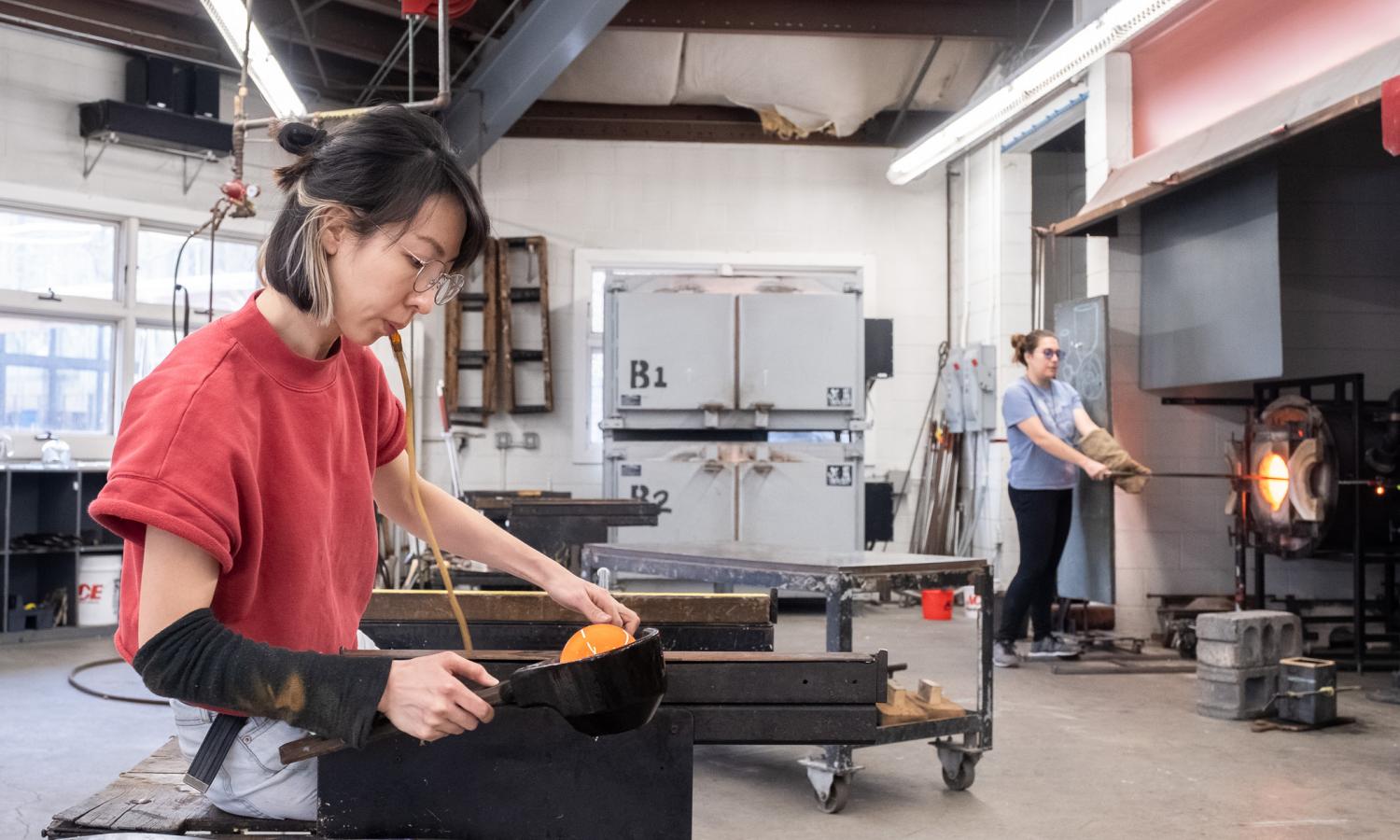
The Emerging-Artist-in-Residence (EAiR) Program serves promising younger artists who have had previous experience working with glass. Six artists are selected from applicants worldwide. They receive a $2,000 stipend, lodging, and access to studios for two months each fall. Participants are self-motivated and eager for the chance to focus on their work and exchange ideas with one another. Emerging Artists in Residence use their residencies to create a body of work or to pursue new projects or methods, often pushing the medium of glass.

Contact

1201-316th St NW
Stanwood, WA 98292
United States

Year Founded
1971
Context
Rural
Residency Structure
Embedded in a craft school
Embedded in historic site
Residency Program Type
Studio-based (with housing)
Retreat
Research
Experiential
Residency Length
6 weeks - 6 weeks
Languages
English
Average Number of Artists in Residence at a Time
6
Collaborative Residency
N/A
Discipline
Interdisciplinary Arts
Mixed Media
Printmaking
Sculpture
Visual Arts
Glass Arts
Installation Arts
Multimedia Arts
Companions
N/A
Country of Residence
Open to artists based anywhere in the world
Family Friendly
N/A
Stage of Career
Emerging
Mid-career
Established
Additional Expectations/Opportunities
Participate in open studio with fellow residents
How does your residency program support artists?
Opportunity to be in another context
Unstructured time
Unrestricted funding
Access to studio space to create new work
Access to equipment, specialized facilities and/or technical support
Inspiration from natural environment
Professional development support and/or trainings
Opportunities to develop relationships with other artists/residents
Opportunities to exhibit or perform new work
Additional Eligibility Information

Proposal: write a one-to two-page proposal. 500 word limit.

CV/Resume: attached current CV/Resume to application. 

Bio or Artists Statement: copy and paste current bio or statement. 250 word limit.

Images: download five images (media) as .jpeg files only.

Number of Artists Accepted in Most Current Year
6
Total Applicant Pool in Most Current Year
6
Artist Stipend
2000
US Dollar (USD)
Travel Stipend/Material Stipends
500
US Dollar (USD)
Residency Fees
0
US Dollar (USD)
Grant/Scholarship/Other Funding Support
0
US Dollar (USD)
Application Fee
0
US Dollar (USD)
Application Type
Open application
What does your program provide during the residency experience?
Communication before arrival to discuss accommodations, medical conditions, or other health needs
Orientation upon arrival
Full description of accessibility on campus
Staff/volunteer giving directions
Staff/volunteer providing guidance to help locate facilities or activities
Contact info for accessibility requests for event/programming
Is your campus wheelchair accessible?
Partially Accessible
Caregiver/Aide/PCA
Case by case consideration by staff
Accessibility Contact Name
Registrar
Accessibility Contact Email
registrar@pilchuck.org
Accessibility Contact Phone Number
Type of Housing
Private housing on campus (individual apartment/cabin/house)
Accessible Housing
Partially Accessible (50% or more)
Housing for Companion And/or Caregivers
Case by case consideration
Accessible Communal Spaces
N/A
Additional Housing Information
Access to laundry on campus
No WIFI in housing
Heat and Cool control managed by resident
Meals Provided
Residents have access to shared kitchen
No meals are provided
Computer/Internet Access
Computer and internet connection provided in common area (shared)
Wireless Internet (WIFI)
Studios/Special Equipment
Shared Studios
Dedicated Studio/Shop Technicians - Part Time
Exhibition / Installation Space
Electric Kiln
Glass Casting
Dedicated Metal Shop
Anvils, Stakes + Hammers
Gas/Oxy Torches
Casting Room
Large Format Printer / Plotter
Printmaking Workspaces
Glass Inking Table
Drying Racks
Paper Soaking Sinks
Paper Tearing Table
Silkscreen Studio
Light Tables
Large Sinks
Dedicated Wood Shop
Woodworking Tools
Wood Vises And Wood Working Table
Studios/Facilities Accessibility
Partially Accessible (50% or more)
Studio Support/Tech
Studio/facility orientation provided
Studio support provided by dedicated tech
Tech hours
Studios/facilities Details

Miss Sarah Fellowship for Black Women Writers

Miss Sarah Fellowship for Black Women Writers

Mars Hill, NC, United States

Purpose: The “Miss Sarah” Fellowship for Black Women Writers aims to provide Black women writers a restful environment conducive to reflection and writing. It also offers uninterrupted time to plant the seed of an idea for a new writing project or to develop or complete a project underway. 


Contact

357 Joe Brown Road
Mars Hill, NC 28754
United States

Year Founded
2021
Context
Rural
Residency Structure
Stand-alone
Residency Program Type
Studio-based (with housing)
Thematic
Research
Residency Length
7 days - 7 days
Languages
English
Average Number of Artists in Residence at a Time
1
Collaborative Residency
Must apply and be accepted individually
Discipline
Criticism
Fiction
Journalism
Literary Nonfiction
Literature
New Genres
Nonfiction
Playwriting
Poetry
Screenwriting
Translation
Writing
Companions
Pets (Non-service animals)
Country of Residence
Open to artists based anywhere in the world
Family Friendly
Spouses/partners allowed for full stay (non-collaborators)
Children allowed for full stay
Stage of Career
Any stage of career
Additional Expectations/Opportunities
Participate in public programming
Give artist talk or presentation
Lead workshop for the public
How does your residency program support artists?
Opportunity to be in another context
Immersion in new culture and/context
Unstructured time
Unrestricted funding
Inspiration from natural environment
Inspiration from cultural context
Opportunities to develop relationships with local or regional artists/arts organizations
Opportunities to collaborate with local or regional artists/arts organizations
Opportunities for work with the local community
Opportunities to exhibit or perform new work
Additional Eligibility Information

Black women writers at any stage of their careers are invited to apply. There is no application fee. Each year the fellowship focuses on a different genre of writing. Please check our website for the most current area of focus. 


Number of Artists Accepted in Most Current Year
2
Total Applicant Pool in Most Current Year
79
Artist Stipend
700
US Dollar (USD)
Travel Stipend/Material Stipends
500
US Dollar (USD)
Residency Fees
0
US Dollar (USD)
Grant/Scholarship/Other Funding Support
Application Fee
0
US Dollar (USD)
Application Type
Open application
What does your program provide during the residency experience?
Pre-orientation
Manual / handbook before arrival
Orientation upon arrival
Contact information and available accommodations for programs, events, and campus
Is your campus wheelchair accessible?
Partially Accessible
Additional Accessibility Information

Trillium Arts strives to support artists of all abilities. Trillium’s campus is currently under renovation with construction plans for an accessible 30’ x 40’ studio and artist accommodations consistent with ADA standards. In the interim, Trillium Arts invites artists with disabilities to apply and staff will work to meet specific needs to the best of our current limitations. Special needs are reviewed and discussed with the applying artist on a case by case basis. 

A new path is being built in spring 2022 that will enable artists with mobility issues improved access the creek and firepit area.

Caregiver/Aide/PCA
Case by case consideration by staff
Accessibility Contact Name
Phil Reynolds
Accessibility Contact Email
phil@trilliumartsnc.org
Accessibility Contact Phone Number
Other Services/Aids Offered in Residency + Other Programming

Service Animal dogs under 50lb. are welcome. Rabies and proof of current vaccinations is required. 

How much of the residency experience can artists with limited mobility participate?

The participation level will vary depending upon the nature of the disability. 

Please briefly describe the facilities and areas of the campus that are NOT accessible.

The barn rehearsal studio is currently not accessible.

Type of Housing
Private housing on campus (individual apartment/cabin/house)
Private housing off campus (individual apartment/cabin/house)
Accessible Housing
Partially Accessible (50% or more)
Housing for Companion And/or Caregivers
Case by case consideration
Accessible Communal Spaces
N/A
Additional Housing Information
Access to laundry in housing
WIFI available in housing
Air Conditioned Housing
Heat and Cool control managed by resident
Meals Provided
Some meals (at least 2 meals provided)
Residents have access to private kitchen
Additional Meals Information
Vegan meal options can be requested
Vegetarian meal options can be requested
Gluten-free meal options can be requested
Kosher and halal options can be requested
Food allergies and restrictions can be accommodated
Snack and beverage provided
Computer/Internet Access
Computer and internet connection provided in studio area (private)
Wireless Internet (WIFI)
Studios/Special Equipment
Private Studios
Large Sinks
Dye Area
Washer And Dryer
Studios/Facilities Accessibility
Partially Accessible (50% or more)
Studio Support/Tech
Studio/facility orientation provided
Studio support provided by staff
On-call Studio support provided
Air Conditioned
Heat and Cool control access

VCCA: Mt. San Angelo in Virginia

Panoramic view of VCCA's Studio Barn complex

Panoramic view of VCCA's Studio Barn complex

Bedroom with double bed, reading chair, sliding glass doors, and private bathroom.

Bedroom with double bed, reading chair, sliding glass doors, and private bathroom.

Closeup of a colorful salad in a large food spread

Closeup of a colorful salad in a large food spread

The VCCA gazebo lit up at night

The VCCA gazebo lit up at night

Concrete swimming pool filled with water and surrounded by nature

Concrete swimming pool filled with water and surrounded by nature

View of expansive grounds with an outdoor dining area under large tree

View of expansive grounds with an outdoor dining area under large tree

The Studio Barn complex with the "Corn Crib," a standalone writing studio in the center

The Studio Barn complex with the "Corn Crib," a standalone writing studio in the center

VCCA: Mt. San Angelo in Virginia

Amherst, VA, United States

VCCA’s artist residency program at Mt. San Angelo in Amherst, Virginia, hosts up to 360 writers, visual artists, and composers each year in residencies of varying lengths with flexible scheduling (up to six weeks with no minimum length of stay). Applications are accepted three times a year for three distinct scheduling periods.


A residency at Mt. San Angelo includes a private bedroom with private en-suite bath, a private individual studio, three prepared meals each day, and access to a community of more than 20 other artists in residence at a time. Nestled in the foothills of the Blue Ridge Mountains, Mt. San Angelo is surrounded by natural wonders and hiking trails. 


The solitary time artists receive at VCCA allows them to focus on their work without interruptions. Away from the constraints of “the real world” and in an accepting environment of talented peers, one can dream and create with the feeling that anything is possible. All opportunities to engage with other residents and the wider community through readings, open studios, etc., are entirely optional. 

Contact

154 San Angelo Drive
Amherst, VA 24521
United States

Year Founded
1971
Context
Rural
Residency Structure
Stand-alone
Residency Program Type
Studio-based (with housing)
Retreat
Residency Length
1 week - 6 weeks
Languages
English
Average Number of Artists in Residence at a Time
22
Collaborative Residency
Must apply and be accepted individually
Discipline
Book Arts
Choreography
Digital Media
Documentary
Drawing
Environmental Arts
Fiction
Film
Illustration
Installation Arts
Interdisciplinary Arts
Journalism
Literary Nonfiction
Literature
Mixed Media
Multimedia Arts
Music
New Genres
Nonfiction
Opera
Painting
Paper Arts
Performance Art
Photography
Playwriting
Poetry
Printmaking
Public Art
Screenwriting
Sculpture
Social Practice
Sound Art
Storytelling
Symphony
Theater
Visual Arts
Writing
Companions
Pets are not allowed
Country of Residence
Open to artists based anywhere in the world
Family Friendly
N/A
Stage of Career
Any stage of career
Emerging
Mid-career
Established
Additional Expectations/Opportunities
N/A
How does your residency program support artists?
Opportunity to be in another context
Unstructured time
Access to studio space to create new work
Inspiration from natural environment
Opportunities to collaborate with other artists/residents
Opportunities to develop relationships with other artists/residents
Additional Eligibility Information

VCCA encourages applications to Mt. San Angelo from artists representing the widest possible range of perspectives. Emerging and established artists creating original work in a variety of literary, visual, and musical/sound arts are eligible to apply.

Applicants who are enrolled in undergraduate, graduate, or doctoral programs are eligible to apply, although projects that involve pure academic scholarship are not accepted.

VCCA Fellows are selected by peer review on the basis of professional achievement or promise of achievement in their respective fields. Separate review panels are created for each genre/discipline. Panelists undergo periodic review and rotate regularly to ensure VCCA admission decisions are guided by high caliber artists who represent a diversity of styles and tastes.

Number of Artists Accepted in Most Current Year
420
Total Applicant Pool in Most Current Year
2100
Artist Stipend
Travel Stipend/Material Stipends
Residency Fees
105
US Dollar (USD)
Fee Details

Artists are accepted to VCCA based on the quality of their work and not on their ability to pay. If you are accepted for a residency, VCCA will work with you in good faith to be sure you can come.

The actual cost of a VCCA residency is $240 per artist/per day which includes an individual studio, private bedroom, private bath, and three meals each day. VCCA residencies are supported in part by its Annual Fund which covers at least 56% of the cost of all residencies. VCCA asks accepted artists to help offset the remaining cost to the best of their ability. VCCA requests a payment of $105 per day (44% of the cost of the residency) and welcomes a per diem payment up to the full daily cost of $240 if you are able. Paying at least $105 per day helps VCCA make improvements to the overall residency experience. Anyone who can not pay $105 per day will be considered for financial assistance.

Grant/Scholarship/Other Funding Support
Grant/Scholarship/Other Funding Support Details

VCCA distributes $150,000 of financial assistance every year and offers a rotating selection of fully-funded fellowships at each of its three annual application deadlines (January 15, May 15, and September 15). At each deadline, applicants will be considered for a VCCA residency and as many fully-funded fellowships for which they are eligible; only one application with a single application fee is required per deadline. Accepted artists demonstrating financial need who do not receive a fully-funded fellowship are supported through financial assistance.

If the application fee presents a hardship, applicants should reach out to Artists Services at vcca@vcca.com to request an application fee waiver in advance of the deadline.

Certain fully-funded fellowships offer stipends/honoraria.

Application Fee
30
US Dollar (USD)
Application Type
Open application
What does your program provide during the residency experience?
Manual / handbook before arrival
Communication before arrival to discuss accommodations, medical conditions, or other health needs
Orientation upon arrival
Contact information and available accommodations for programs, events, and campus
Staff/volunteer giving directions
Staff/volunteer providing guidance to help locate facilities or activities
Is your campus wheelchair accessible?
Partially Accessible
Additional Accessibility Information

The Virginia Center for the Creative Arts is committed to helping Fellows and visitors participate in our artist residency program and any on-site events as fully as possible. As VCCA works to raise funds to improve accessibility on our campus, please contact Artist Services by phone at 434.946.7236 or by email at vcca@vcca.com to address specific accessibility concerns and/or accommodation requests.

If you are a wheelchair user, be sure to mention this in your application so that we may best accommodate you.

Caregiver/Aide/PCA
N/A
Accessibility Contact Name
Dana Jones
Accessibility Contact Email
djones@vcca.com
Accessibility Contact Phone Number
How much of the residency experience can artists with limited mobility participate?

Those with limited mobility can participate in all key aspects of a VCCA residency, namely unstructured time to pursue creative work in a private studio, private accommodations, three meals a day, and opportunities to engage with fellow artists.

Multiple private bedrooms, the dining room, laundry facilities, and other common areas (library, TV room, living room) are located on the ground floor of the Fellows Residence, including one bedroom that is fully wheelchair accessible with a low sink and a roll-in shower. Almost the entire Studio Barn complex is on one level, with wheelchair accessible studios available for each discipline (i.e. writing studio, visual art studio, composer studio). It is a five- to ten-minute wheelchair ride along a private lane from the Fellows Residence to the Studio Barn. Accessible parking at each building is marked.

Please briefly describe the facilities and areas of the campus that are NOT accessible.

The second floor and basement of the Fellows Residence are not accessible; the second floor contains only private bedrooms, and the basement includes a small recreation room with table tennis. Some studios in the Studio Barn complex are not accessible. While there are paths connecting all buildings, much of VCCA's expansive grounds (412 acres with hiking trails, outdoor art, gardens, and swimming pool) may not be easily accessible to those with limited mobility. Readings, open studios, and performances among Fellows in residence at VCCA are mostly impromptu gatherings, for which VCCA can not guarantee visual or audio aids. 


Type of Housing
Private bedroom in a shared housing facility on campus
Accessible Housing
Partially Accessible (50% or more)
Housing for Companion And/or Caregivers
N/A
Accessible Communal Spaces
N/A
Common/Communal Spaces Information

A dining room, laundry room, living room with fireplace, TV room, and library are located on the ground floor of the Fellows Residence and are wheelchair accessible. A small recreation room with table tennis is located in the basement, which is not wheelchair accessible. Patios offer outdoor dining areas.

There are washers and dryers, laundry detergent, an ironing board, and iron available for use in the laundry room. A refrigerator and cabinets are also available in the laundry room where Fellows may store refrigerated items and heat water for tea or coffee.

Additional Housing Information
Access to laundry on campus
Access to laundry in housing
WIFI available in housing
Housekeeping services
Air Conditioned Housing
Heat and Cool control managed by resident
Meals Provided
All meals
Residents have access to shared kitchen
Additional Meals Information
Vegan meal options can be requested
Vegetarian meal options can be requested
Gluten-free meal options can be requested
Food allergies and restrictions can be accommodated
Computer/Internet Access
Wireless Internet (WIFI)
Studios/Facilities Details

Each Fellow is assigned a private studio. VCCA studios are simple, comfortable spaces that inspire the creative process.

Most studios are located in a renovated 1930s Normandy-style barn, which has newly upgraded WiFi and is heated and air-conditioned with individual thermostats in each studio. The Studio Barn and Fellows Residence are a five-minute walk along a natural, tranquil trail from each other.

Three Fellows kitchens in the Studio Barn stock a few utensils, cups, and supplies for use in studios. Fellows may store refrigerated items and heat water for tea or coffee in any of these kitchens. Lunch is delivered daily to the main kitchen in the Studio Barn.

Accessible parking is marked, and short-term parking is available near the studios for loading/unloading.

Studios/Special Equipment
Private Studios
Piano
Darkroom (Black And White)
Printers + Scanner
Easels
Large Sinks
Studios/Facilities Accessibility
Partially Accessible (50% or more)
Studio Support/Tech
No studio support provided
Air Conditioned
Heat and Cool control access
Additional Studio Information

Each visual artist’s studio has work tables, white walls, a sink, a shelf for supplies, and a bed. The use of the Dickerson combination printing press or the black-and-white darkroom can be requested during the application process.

Each composer’s studio is equipped with a piano, a desk, desk chair, and a bed. VCCA has three baby grand pianos: a Yamaha Disklavier; a Kawaii; and a Knabe.

Each writer’s studio has a desk, desk chair, reading chair, printer, and a bed. There are also several live-work spaces for writers.

VCCA cannot guarantee specific studio requests. All buildings are smoke-free.

Hambidge Creative Residency Program

Lucinda's Rock House at Hambidge.

Lucinda's Rock House at Hambidge.

Communal Space in Lucinda's Rock House.

Communal Space in Lucinda's Rock House.

Amanda Galona Broche, fiber artist, at Hambidge. Photo by Amanda Greene.

Amanda Galona Broche, fiber artist, at Hambidge. Photo by Amanda Greene.

Betty's Creek at Hambidge.

Betty's Creek at Hambidge.

Hasani Sahlehe, visual artist, at Hambidge. Photo by Forest McMullin.

Hasani Sahlehe, visual artist, at Hambidge. Photo by Forest McMullin.

Jeff Colvin, writer, at Hambidge. Photo by Amanda Greene.

Jeff Colvin, writer, at Hambidge. Photo by Amanda Greene.

Khalilah Birdsong, visual artist, at Hambidge. Photo by Amanda Greene.

Khalilah Birdsong, visual artist, at Hambidge. Photo by Amanda Greene.

Kim-Huong Ruiz, sound artist, at Hambidge. Photo by Amanda Greene.

Kim-Huong Ruiz, sound artist, at Hambidge. Photo by Amanda Greene.

Leslie Noel, arts administrator, at Hambidge. Photo by Amanda Greene.

Leslie Noel, arts administrator, at Hambidge. Photo by Amanda Greene.

Hambidge in the snow.

Hambidge in the snow.

Luciana Arias, dancer, and Monique Osorio, singer, collaborating at Hambidge. Photo by Amanda Greene

Luciana Arias, dancer, and Monique Osorio, singer, collaborating at Hambidge. Photo by Amanda Greene

Marian Liou, arts and culture administrator, at Hambidge. Photo by Forest McMullin.

Marian Liou, arts and culture administrator, at Hambidge. Photo by Forest McMullin.

Misty Gamble, ceramicist, at Hambidge. Photo by Amanda Greene.

Misty Gamble, ceramicist, at Hambidge. Photo by Amanda Greene.

Omolara Williams McCallister, performance and visual artist, at Hambidge. Photo by Amanda Greene.

Omolara Williams McCallister, performance and visual artist, at Hambidge. Photo by Amanda Greene.

Pallavi Sen, visual artist, at Hambidge. Photo by Amanda Greene.

Pallavi Sen, visual artist, at Hambidge. Photo by Amanda Greene.

Pao Chutijirawong, visual artist, at Hambidge. Photo by Amanda Greene.

Pao Chutijirawong, visual artist, at Hambidge. Photo by Amanda Greene.

Scott Ordway, composer, at Hambidge. Photo by Amanda Greene

Scott Ordway, composer, at Hambidge. Photo by Amanda Greene

Sergio Suarez, visual artist, at Hambidge. Photo by Amanda Greene

Sergio Suarez, visual artist, at Hambidge. Photo by Amanda Greene

Tamie Cook, culinary resident, at Hambidge. Photo by Amanda Greene

Tamie Cook, culinary resident, at Hambidge. Photo by Amanda Greene

Taylor Jana Manigoult II, musician and visual artist, at Hambidge. Photo by Amanda Greene

Taylor Jana Manigoult II, musician and visual artist, at Hambidge. Photo by Amanda Greene

Summer in the forest at Hambidge.

Summer in the forest at Hambidge.

Blake Beckham, dancer, at Hambidge. Photo by Amanda Greene.

Blake Beckham, dancer, at Hambidge. Photo by Amanda Greene.

Winter woods at Hambidge.

Winter woods at Hambidge.

Hambidge Creative Residency Program

Rabun Gap, GA, United States

The Hambidge Creative Residency Program nurtures exceptional creative talents within the arts and sciences at their 600-acre creative sanctuary in the Blue Ridge Mountains, providing the space and time needed for visionary works to be conceived and developed. A spectrum of artistic disciplines is accepted – Arts & Culture Administration, Ceramics, Culinary, Dance, Music, Science, Visual Arts, Writing – as well as multidisciplinary and collaborative proposals. Nine individuals from around the globe are in residence at any given time – each has private accommodations and studio space, and shares communal dinners prepared by the Hambidge chef. ADA compliant studios are available and Hambidge is family friendly.

Contact

PO Box 339
Rabun Gap, GA 30568
United States

Year Founded
1934
Context
Rural
Remote
Residency Structure
Stand-alone
Residency Program Type
Studio-based (with housing)
Retreat
Residency Length
2 weeks - 8 weeks
Languages
English
Average Number of Artists in Residence at a Time
9
Collaborative Residency
Must apply and be accepted individually
Discipline
Drawing
Interdisciplinary Arts
Mixed Media
Painting
Printmaking
Sculpture
Visual Arts
Blacksmithing
Book Arts
Ceramics/Clay Arts/Pottery
Costume/Fashion Design
Digital Fabrication
Fine Metals/Jewelry
Installation Arts
Paper Arts
Textile & Fiber Arts/Weaving
Woodworking
Criticism
Fiction
Journalism
Literary Nonfiction
Literature
New Genres
Nonfiction
Playwriting
Poetry
Screenwriting
Translation
Writing
Acting
Choreography
Dance
Performance Art
Theater
Music
Opera
Symphony
Animation
Documentary
Film
Moving Image
Multimedia Arts
Photography
Sound Art
Graphic Design
Illustration
Industrial Design
Architecture
Environmental Arts
Landscape Architecture
Public Art
Social Practice
Storytelling
Biology
Ecology
Environmentalism/Conservation
Science
Art Conservation
Art Education
Art History
History
Mathematics
Philosophy
Country of Residence
Open to artists based anywhere in the world
Family Friendly
Children allowed for full stay
Stage of Career
Emerging
Mid-career
Established
Additional Expectations/Opportunities
Donate a work of art
Participate in public programming
Participate in open studio with fellow residents
Give artist talk or presentation
How does your residency program support artists?
Opportunity to be in another context
Unstructured time
Access to studio space to create new work
Access to equipment, specialized facilities and/or technical support
Inspiration from natural environment
Opportunities to develop relationships with other artists/residents
Opportunities to exhibit or perform new work
Additional Eligibility Information

Qualified applicants must be working at a professional level in their field. We seek applications from emerging and mid-career creatives, as well as from those who are established with national and/or international reputations.


Applications for residency are judged primarily on the quality of submitted work samples and professional promise. There are no publication, exhibition, or performance requirements contingent on a Hambidge residency.


The Hambidge Center encourages creative professionals of all backgrounds to apply for admission. We celebrate varied ideas, world views, and personal characteristics, and are committed to being an organization that welcomes and respects everyone regardless of age, ability, ethnicity, race, religion, philosophical or political beliefs, sexual orientation, gender identity or expression, nationality, geographic origin, and socioeconomic status.


Returning Fellows

Returning Fellows must submit a new application with recent work samples in the appropriate category of their discipline. After attending a Hambidge residency, Fellows must wait 2 years before returning.


Application Deadlines

• Apply from December 1 through January 15 for the SUMMER SESSION (May through August).

• Apply from March 1 through April 15 for the FALL SESSION (September through December).

• Apply from August 1 through September 15 for the SPRING SESSION of the following year (mid-February through April).

Number of Artists Accepted in Most Current Year
163
Total Applicant Pool in Most Current Year
618
Artist Stipend
Travel Stipend/Material Stipends
Residency Fees
250
US Dollar (USD)
Fee Details

The residency fee is $250 per week.

Note: the actual cost of a residency is $1700/wk. Every year, the Hambidge Center raises funds to supplement $1450 for every residency week, leaving each resident with only the $250/wk fee.

Grant/Scholarship/Other Funding Support
1200
US Dollar (USD)
500
US Dollar (USD)
Grant/Scholarship/Other Funding Support Details

Hambidge offers several merit-based Distinguished Fellowships which remove the fees for a two-week residency and provide a $700 stipend. Available Distinguished Fellowships vary from session to session and are listed in the Awards & Financial Assistance section of each session's application. Unless otherwise noted, they are reserved for first-time residents.


Hambidge also offers limited financial aid scholarships to accepted residents. Priority will be given to BIPOC residents with the goal of a more diverse and inclusive residency program.

Application Fee
30
US Dollar (USD)
Application Type
Open application
What does your program provide during the residency experience?
Communication before arrival to discuss accommodations, medical conditions, or other health needs
Orientation upon arrival
Contact information and available accommodations for programs, events, and campus
Staff/volunteer reading information aloud
Staff/volunteer giving directions
Staff/volunteer providing guidance to help locate facilities or activities
Contact info for accessibility requests for event/programming
Is your campus wheelchair accessible?
Inaccessible
Additional Accessibility Information

Hambidge offers two ADA-compliant studios: Brena Studio and Cove Studio. Our dining and common areas can be navigated, but are not yet fully compliant. There are no sidewalks or paved areas; the connecting driveways are gravel and uneven. If you come to Hambidge without a car, the on-campus studios will require a walk to get to Lucinda’s Rock House. On average, the studios are 0.3 miles from the Rock House with a 157-elevation gain, walking on a gravel road with uneven terrain.
Caregiver/Aide/PCA
Housing available on campus
Case by case consideration by staff
Accessibility Contact Name
Mindy Chaffin
Accessibility Contact Email
office@hambidge.org
Accessibility Contact Phone Number
Other Services/Aids Offered in Residency + Other Programming

N/A

How much of the residency experience can artists with limited mobility participate?

Artists with limited mobility can fully experience the main elements of our residency. They are given an accessible studio in which to focus on their work, and can attend the communal evening dinners. There are outdoor areas - lawns, porches, decks - from which the inspiring rural landscape of the campus can be enjoyed.

Please briefly describe the facilities and areas of the campus that are NOT accessible.

Our dining and common areas can be navigated, but are not yet fully compliant. There are no sidewalks or paved areas; the connecting driveways are gravel and uneven. The hiking trails are not accessible.
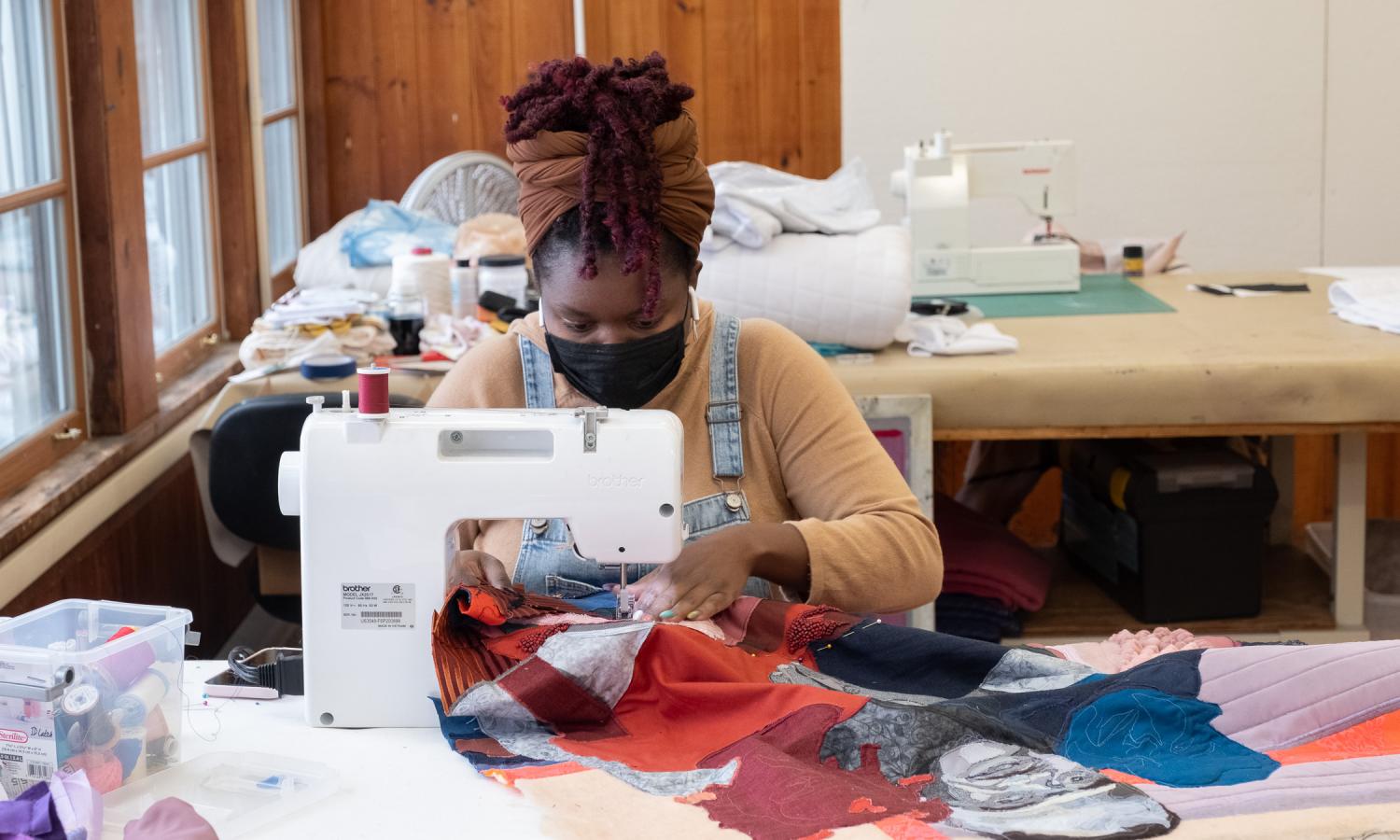
Type of Housing
Private housing on campus (individual apartment/cabin/house)
Accessible Housing
Partially Accessible (50% or more)
Housing for Companion And/or Caregivers
Case by case consideration
Accessible Communal Spaces
Inaccessible
Common/Communal Spaces Information

Our dining and common areas can be navigated, but are not yet fully compliant.
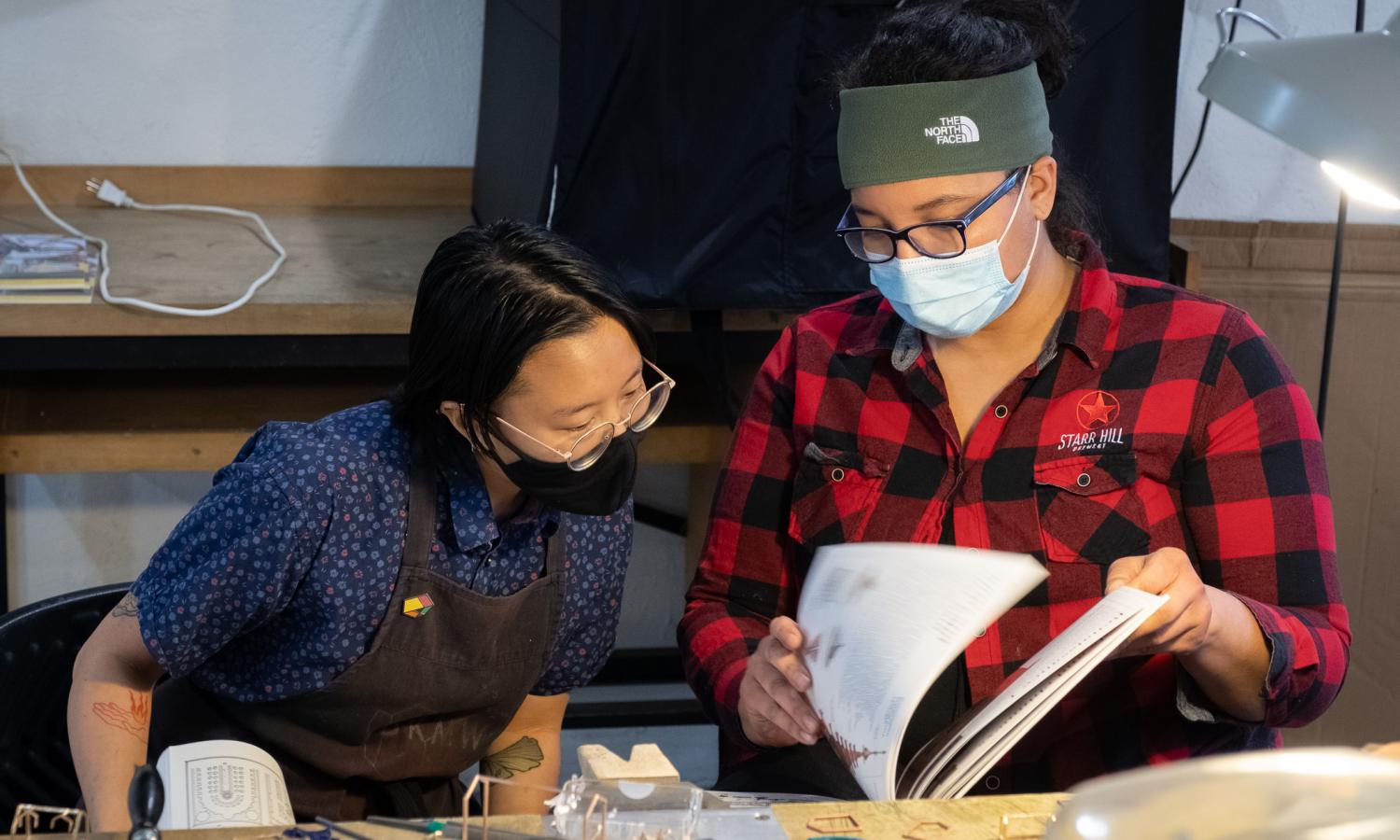
Additional Housing Information
Access to laundry on campus
No WIFI in housing
Heat and Cool control managed by resident
Meals Provided
Some meals (at least 2 meals provided)
Residents have access to private kitchen
Additional Meals Information
Vegan meal options can be requested
Gluten-free meal options can be requested
Food allergies and restrictions can be accommodated
Computer/Internet Access
Computer and internet connection provided in common area (shared)
Wireless Internet (WIFI)
Studios/Facilities Details

Built in 2003, the Antinori Pottery Studio provides a large, well-lit space for ceramic workshops as well as individual ceramicists. Gas and electric kilns are available for firing, plus areas for glaze mixing and storage. Adjacent to the structure is an outdoor area and kiln for raku work.

Studios/Special Equipment
Private Studios
Dance Studio Without Sprung Floor
Piano
Ceramics Workspace
Electric Wheels
Kick Wheels
Slab Roller
Raku Kiln
Electric Kiln
Gas Kiln
Music/Media Studio Non-recording
Painting Workspace (Oil)
Easels
Floor Looms
Studios/Facilities Accessibility
Partially Accessible (50% or more)
Studio Support/Tech
Studio/facility orientation provided
Studio support provided by staff
On-call Studio support provided
Studios/facilities Details
Air Conditioned
Heat and Cool control access
Additional Studio Information

Studios are comfortable, but rustic and secluded. They are purposely simple, and most are out of sight of each other and somewhat isolated.

Golden Spot Residency for Oregon Visual Artists

Forest campus with a deer

Forest campus with a deer

Beach with Cascade Head in the distance

Beach with Cascade Head in the distance

One of Sitka canoes in the Salmon River Estuary

One of Sitka canoes in the Salmon River Estuary

Golden Spot Residency for Oregon Visual Artists

Otis, OR, United States

Thanks to a grant from the Ford Family Foundation, the Sitka Center will be able to offer a special residency opportunity to practicing, mid-career, Oregon artists. This program is for 2-4 weeks based on the artists availability.  This residency includes a stipend of $500 per week. This stipend is designed to make taking the time for a residency more feasible. All visual artists who meet the guidelines below are welcome to apply.

Contact

56605 Sitka Dr
Otis, OR 97368
United States

Year Founded
2022
Context
Rural
Residency Structure
Longterm/embedded in neighborhood
Embedded in intentional community
Residency Program Type
Studio-based (with housing)
Retreat
Experiential
Residency Length
2 weeks - 1 month
Languages
English
Average Number of Artists in Residence at a Time
3
Collaborative Residency
May apply as a team
Discipline
Drawing
Interdisciplinary Arts
Mixed Media
Painting
Printmaking
Sculpture
Visual Arts
Book Arts
Ceramics/Clay Arts/Pottery
Paper Arts
Textile & Fiber Arts/Weaving
Woodworking
Animation
Digital Media
Film
Photography
Illustration
Environmental Arts
Companions
N/A
Family Friendly
Residents granted leave during residency
Spouses/partners allowed for full stay (non-collaborators)
Children allowed for full stay
Stage of Career
Mid-career
Established
Additional Expectations/Opportunities
Give artist talk or presentation
How does your residency program support artists?
Opportunity to be in another context
Opportunity to travel
Unstructured time
Unrestricted funding
Access to studio space to create new work
Access to equipment, specialized facilities and/or technical support
Inspiration from natural environment
Opportunities to collaborate with other artists/residents
Opportunities to develop relationships with other artists/residents
Opportunities for work with the local community
Additional Eligibility Information

 • Practicing visual artist (painting, drawing, printmaking, sculpture, ceramics, photography, video, filmmaking, crafts, etc.)

• Full-time resident of Oregon for at least 36 months prior to 36 months prior to April 15, 2022 and plan to remain a resident through 2023

• Provide evidence, through appropriate documentation, five (5) or more years of active professional participation in the artists medium

• Are not enrolled in a degree-seeking program, either part-time or full-time during the residency period you are applying for .


Number of Artists Accepted in Most Current Year
6
Total Applicant Pool in Most Current Year
20
Artist Stipend
2000
US Dollar (USD)
Travel Stipend/Material Stipends
0
US Dollar (USD)
Residency Fees
0
US Dollar (USD)
Fee Details

Living and studio spaces are provided free of charge. There is an application fee of $30 to help cover the administrative costs to carefully review each residency application. Sitka offers application fee assistance to those for whom this is a barrier. Each resident is responsible for all of their own travel and living expenses, including transportation food, toiletries and any supplies used in their work.

Grant/Scholarship/Other Funding Support
0
US Dollar (USD)
Grant/Scholarship/Other Funding Support Details

If you are looking for funding and resources to cover your residency at Sitka please check out this link as a first step.

https://www.artistcommunities.org/funding-residencies

Application Fee
30
US Dollar (USD)
Application Type
Open application
What does your program provide during the residency experience?
Manual / handbook before arrival
Communication before arrival to discuss accommodations, medical conditions, or other health needs
Orientation upon arrival
Contact information and available accommodations for programs, events, and campus
Is your campus wheelchair accessible?
Partially Accessible
Additional Accessibility Information

Sitka’s studios, the office and library are ADA accessible. We have one cabin that is ADA accessible The cabins and studios are situated on a steep slope that also impacts accessibility at our facility. There is a gravel pathway from the parking lot to the office. We have a courtyard behind and above the office that can be reached via car. This courtyard has ramps off of it with access to two studios and our ADA cabin. Please contact us directly with specific questions or provide information about your needs in your application. Sitka is unable to accommodate residents’ pets. If you require a certified service animal, please disclose this information in your application so that we may accommodate you appropriately.

Caregiver/Aide/PCA
Case by case consideration by staff
Accessibility Contact Name
Tamara Jennings
Accessibility Contact Email
Tamarajennings@sitkacenter.org
Accessibility Contact Phone Number
Other Services/Aids Offered in Residency + Other Programming

For residents without access to a car we provide grocery pick-up services from our local grocery store.  residents can order their groceries online and we will pick them up and deliver them to the resident.
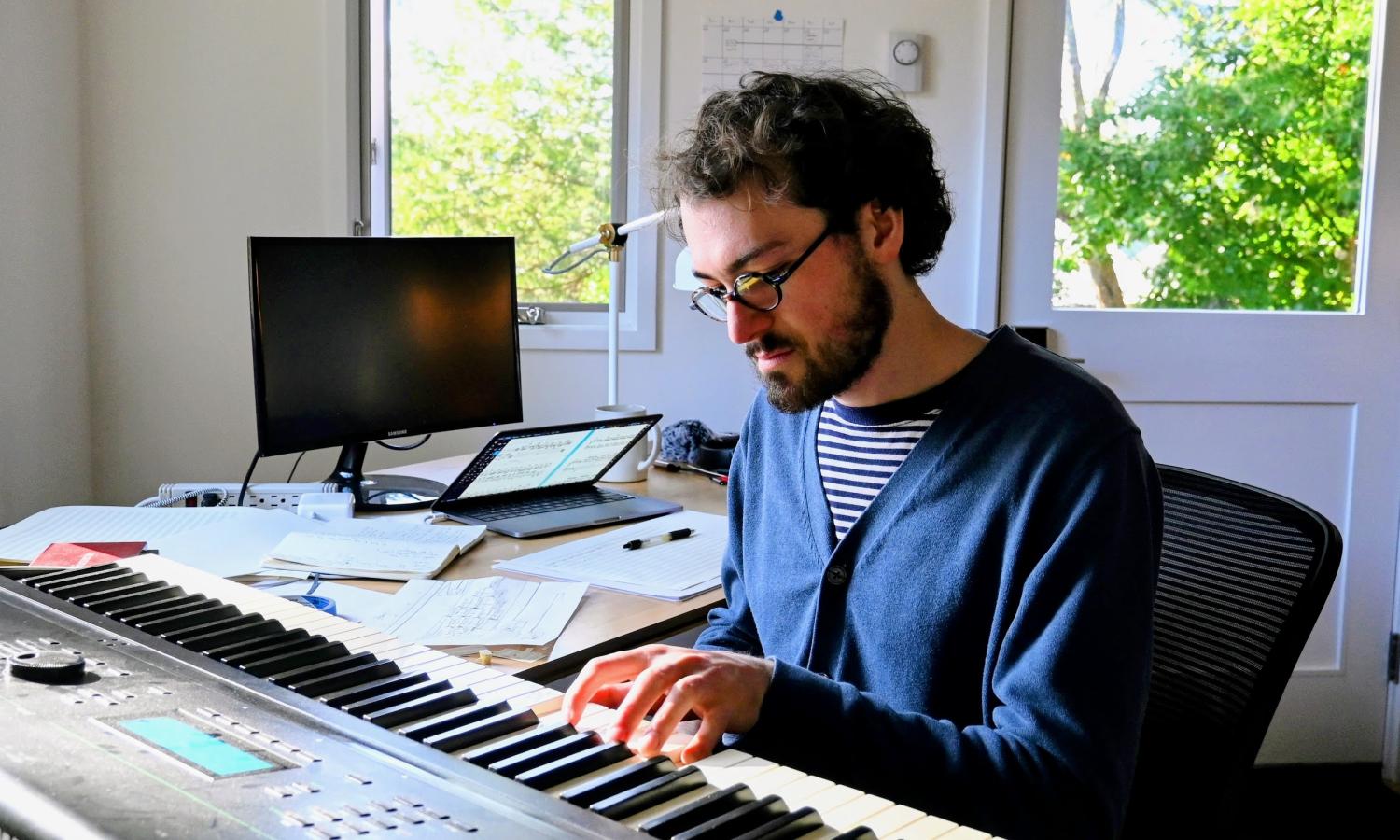
We can assist with connecting residents with volunteers to explore the local area together.

For orientation there is lot's of information we tell residents, we can assist with an orientation document with bullet points for residents to take notes on to help with processing all the information. 

How much of the residency experience can artists with limited mobility participate?

The office, library and all three studios are accessible for a person with limited mobility.  We have one house that is designed for a person with limited mobility..  

Please briefly describe the facilities and areas of the campus that are NOT accessible.

The campus is situated on a steep hill.  Most of the houses have stairs in order to access the living spaces.  The laundry room is not accessible without climbing stairs.

Type of Housing
Private housing on campus (individual apartment/cabin/house)
Private housing off campus (individual apartment/cabin/house)
Accessible Housing
Partially Accessible (50% or more)
Housing for Companion And/or Caregivers
Case by case consideration
Accessible Communal Spaces
N/A
Common/Communal Spaces Information

yes

Additional Housing Information
Access to laundry on campus
WIFI available in housing
Heat and Cool control managed by resident
Meals Provided
Residents have access to private kitchen
No meals are provided
Additional Meals Information
N/A
Computer/Internet Access
Computer and internet connection provided in common area (shared)
Wireless Internet (WIFI)
Ethernet provided in living or studio area
Studios/Facilities Details

The Sitka Center is located on a small 0.65 acre plot donated by the homeowners of the surrounding Cascade Head Ranch. Its facilities include the Collins Centrum, which houses a reception area, offices, and the Hale Reference Library; the Sculpture Studio, a work room for clay, wood, and stone; the Smith Studio, which houses Sitka’s Ray Trayle press and other equipment appropriate to printmaking; the Boyden Studio, the first building on campus used primarily as a painting studio; and the Edelman Studio, an exhibition and presentation space.

Sitka's studios are comfortable and flexible. We can provided basic items like easels, task lights, tables and chairs. One studio contains a printing press, and there is a small ceramics studio on campus. Sitka does not provide art or laboratory supplies used for art making or scientific investigation. Please talk with us about your specific needs.

Studios/Special Equipment
Private Studios
Ceramics Workspace
Electric Kiln
Painting Workspace (Oil)
Easels
Printmaking Workspaces
Etching Press
Glass Inking Table
Drying Racks
Aquatint Box
Hot Plates
Paper Soaking Sinks
Light Tables
Large Sinks
Tablesaw
Bandsaw
Studios/Facilities Accessibility
Partially Accessible (50% or more)
Studio Support/Tech
Studio/facility orientation provided
No studio support provided
Additional Studio Information

yes

The Roll Up CLT

Location

The Roll Up CLT resides on the ancestral lands of the Catawba Nation.
Charlotte, NC 28208
United States

"The unique mission of The Roll Up CLT assists in the facilitation and expansion of a more equitable and inclusive creative culture by advancing a community of independent Black artists who are committed to reimagining and taking ownership of our narrative, and by creating spaces to celebrate Black creative talent."  - Jaki Shelton Green, North Carolina Poet Laureate, Advisory Board Member, The Roll Up CLT

Tag Words
Artist-led
Artist-founded
BIPOC-founded (Black, Indigenous and People of Color)
Open to artists based anywhere in the world
BIPOC-led (Black, Indigenous and People of Color)
Priority given to BIPOC artists (Black, Indigenous and People of Color)
Fully Funded Residency
Funding available for BIPOC Artists (Black, Indigenous and People of Color)
Communities Served
Adults
Elders
Families
General Public
LGBTQI2A+ Populations
Unhoused population
Youth, K-12
Youth-At-Risk
Languages
English

Indigo Arts Alliance

Location

60 Cove St.
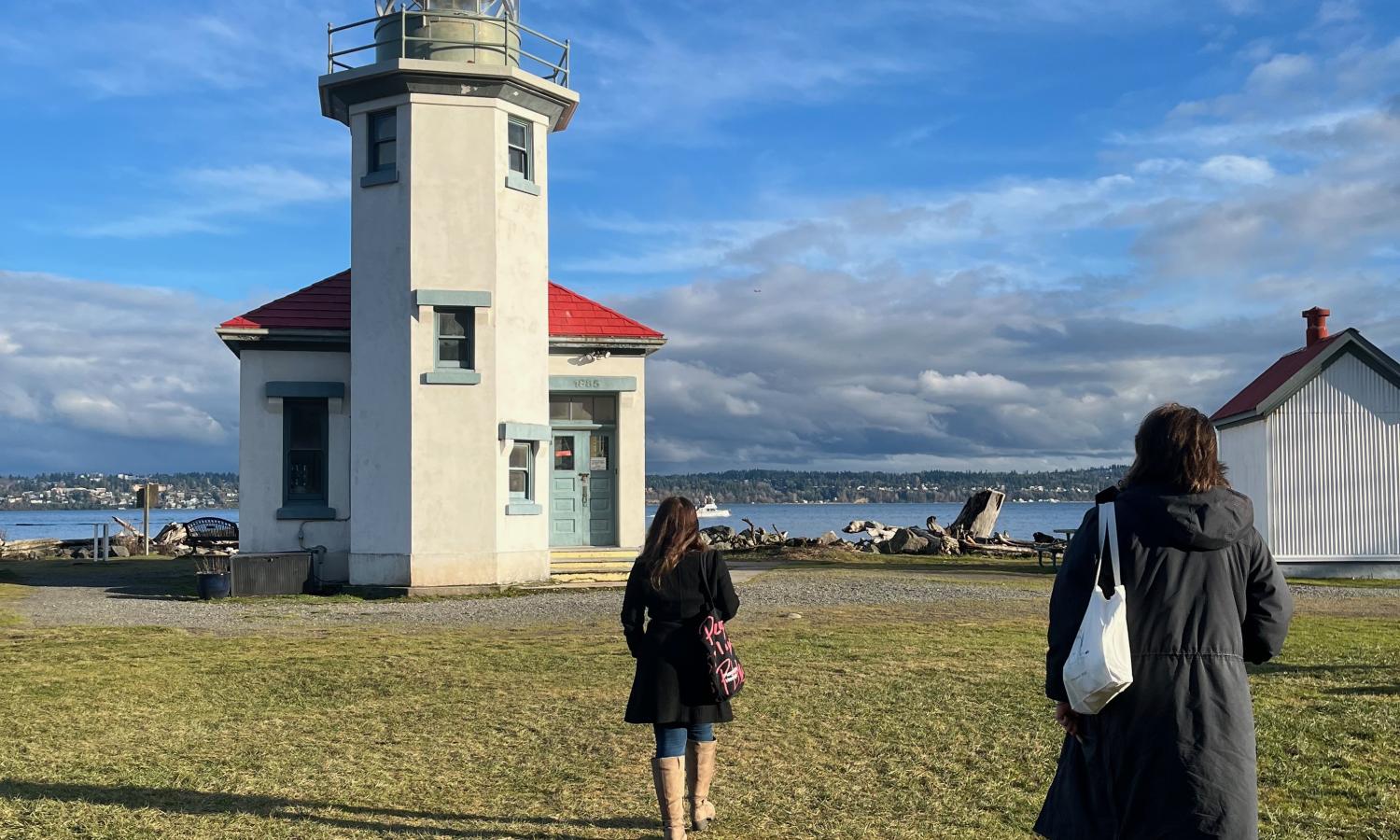
Portland, ME 04101
United States

Building Artists Relationships that Last a Lifetime

Indigo Arts Alliance embodies a multiracial approach to the rich intersections of citizenship, community-building, and creativity. Our work is in service to shifting historical injustices as a vital component of achieving equity for Black and Brown artists. We believe that artists are instrumental to doing the work of social justice in ways that are deeply grounded in lived experience and community.
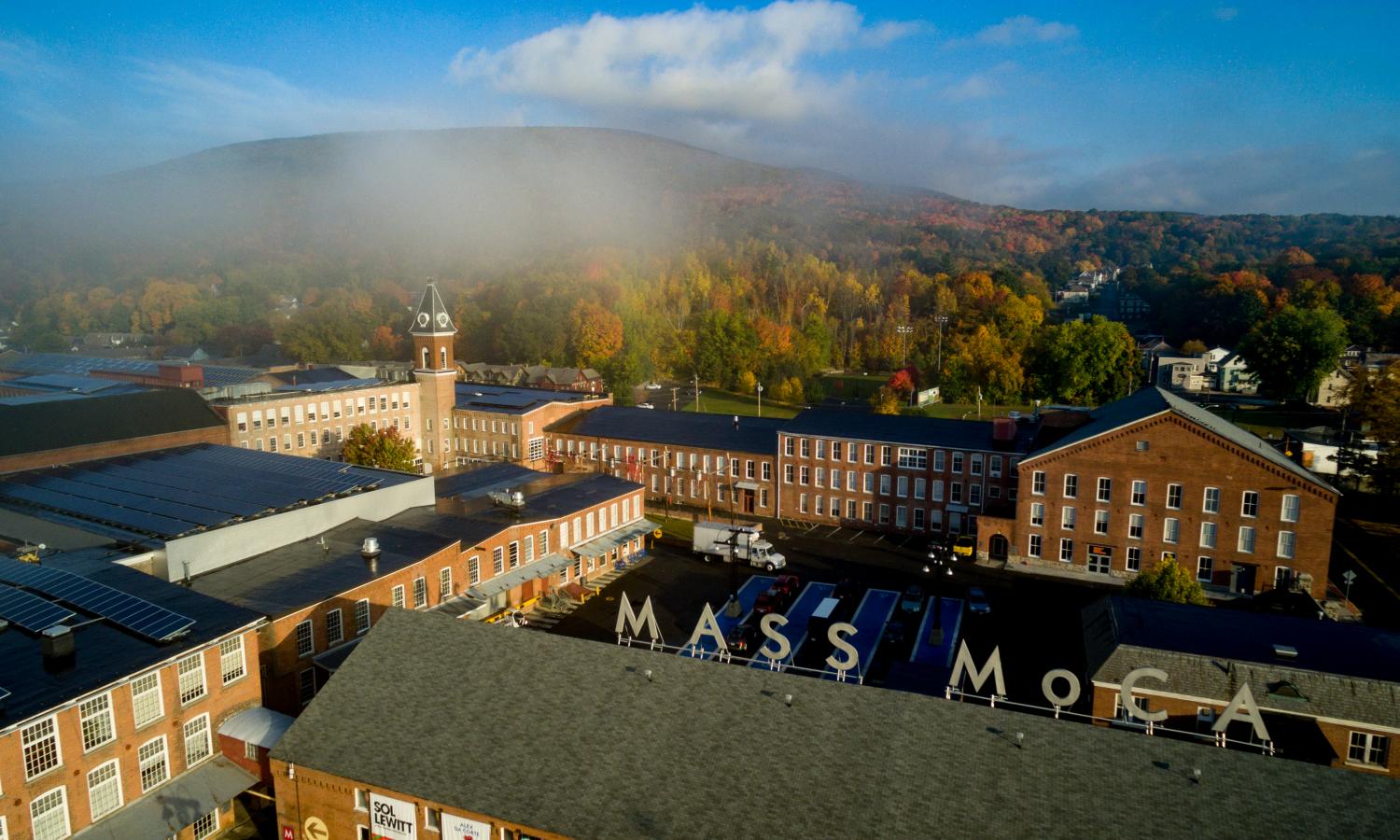
At the heart of Indigo Arts Alliance’s mission are our Artist in Residency programs, which provide Black and Brown artists an environment for the production of artwork in all media across various disciplines.

Our Residency aims to connect Black and Brown artists from across the globe to local artists of African descent. We activate our mission by creating opportunities for critical feedback, relationship building and increased awareness of creative opportunities and resources.


Phone
Tag Words
Artist-led
Artist-founded
BIPOC-founded (Black, Indigenous and People of Color)
Open to artists based anywhere in the world
BIPOC-led (Black, Indigenous and People of Color)
Priority given to BIPOC artists (Black, Indigenous and People of Color)
Partial Funding Available
Funding available for BIPOC Artists (Black, Indigenous and People of Color)
Communities Served
Adults
Children under 5
Elders
Families
General Public
Incarcerated (or Formerly Incarcerated) Individuals
Indigenous/Native American Community
LGBTQI2A+ Populations
Migrant and Immigrant Community
People with Disabilities
School Groups
Teens
Youth, K-12
Languages
English
Portuguese