Sitka Center Residency

The Salmon River estuary in winter by Resident Robert Dash

The Salmon River estuary in winter by Resident Robert Dash

The Salmon River spit in summer

The Salmon River spit in summer

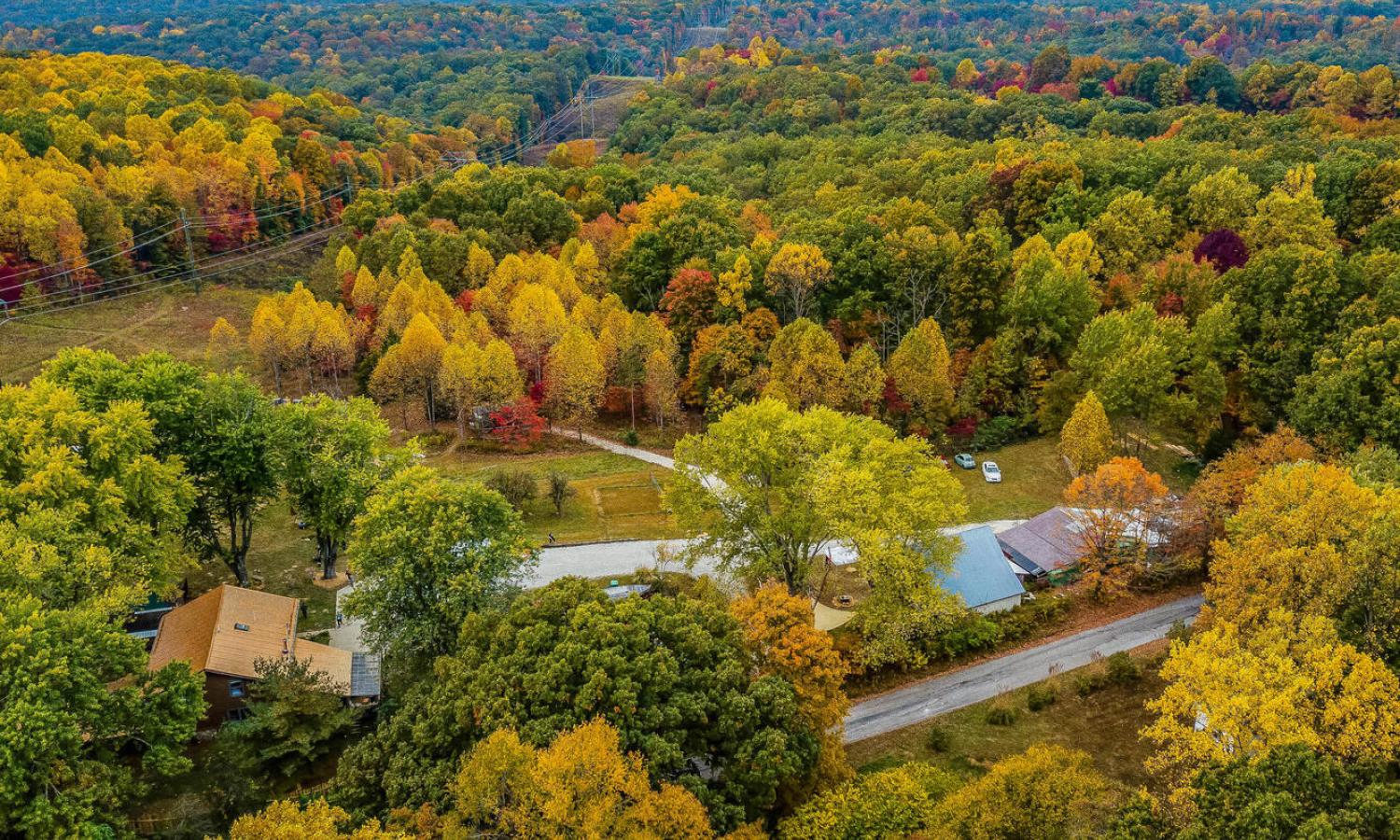
A view of Sitka's main campus from the front lawn

A view of Sitka's main campus from the front lawn

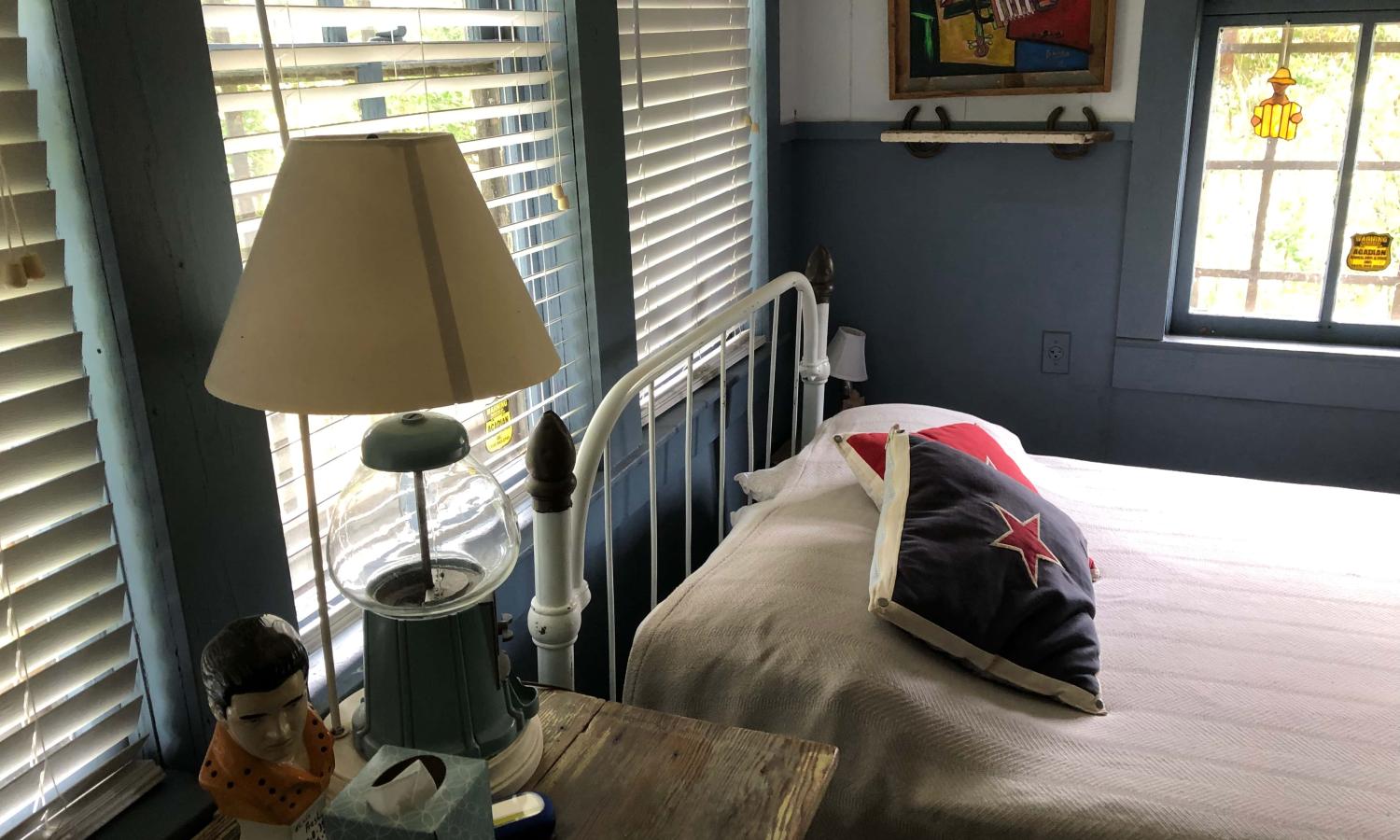
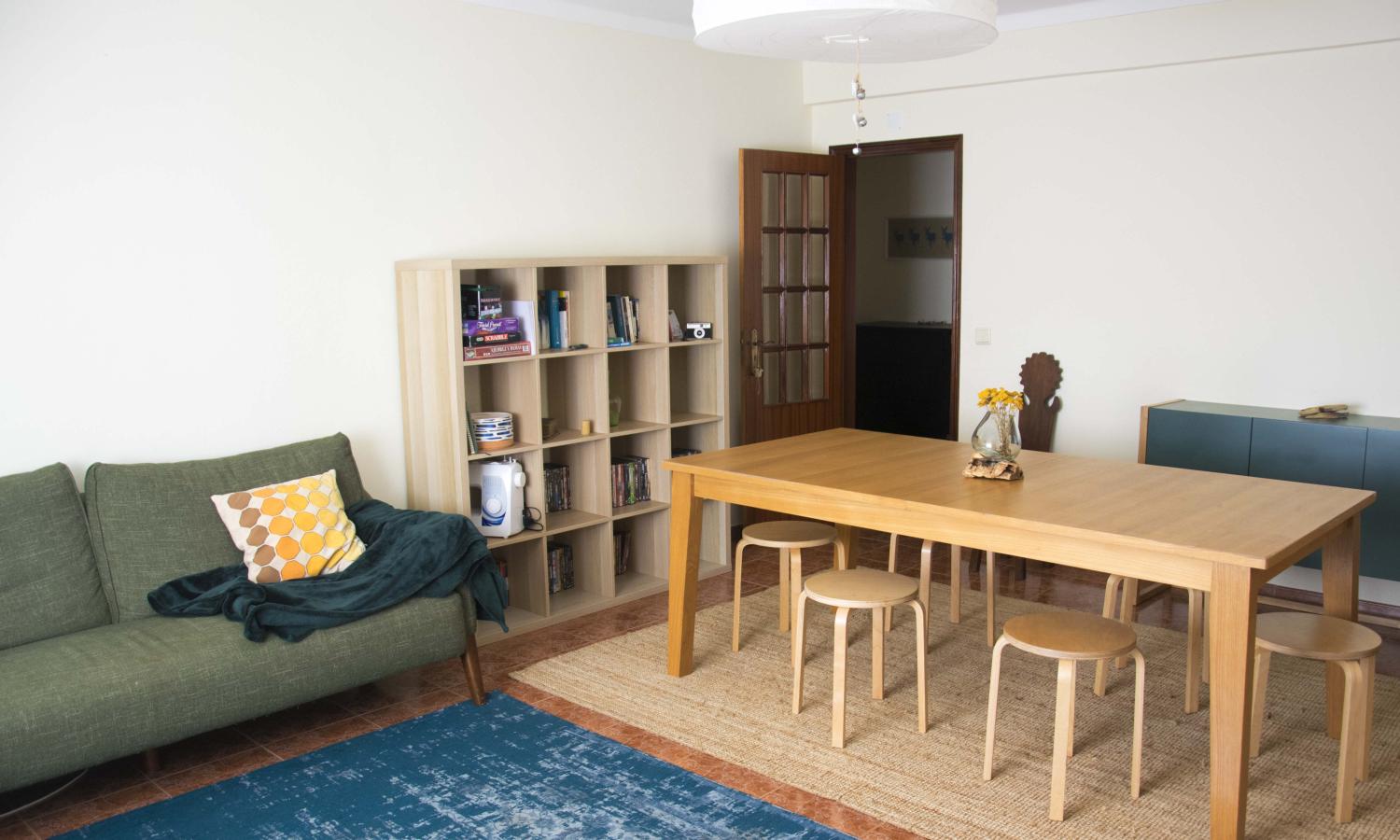
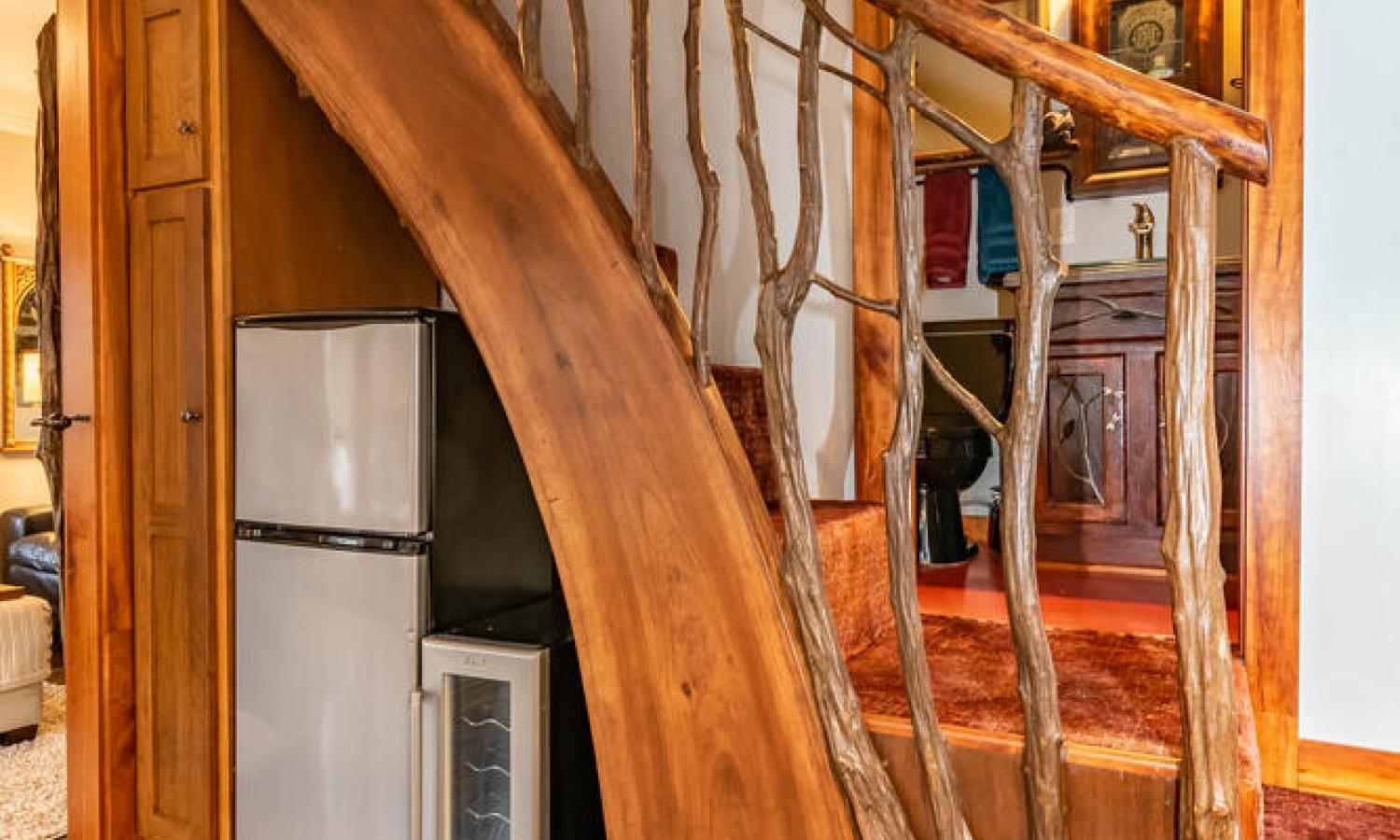
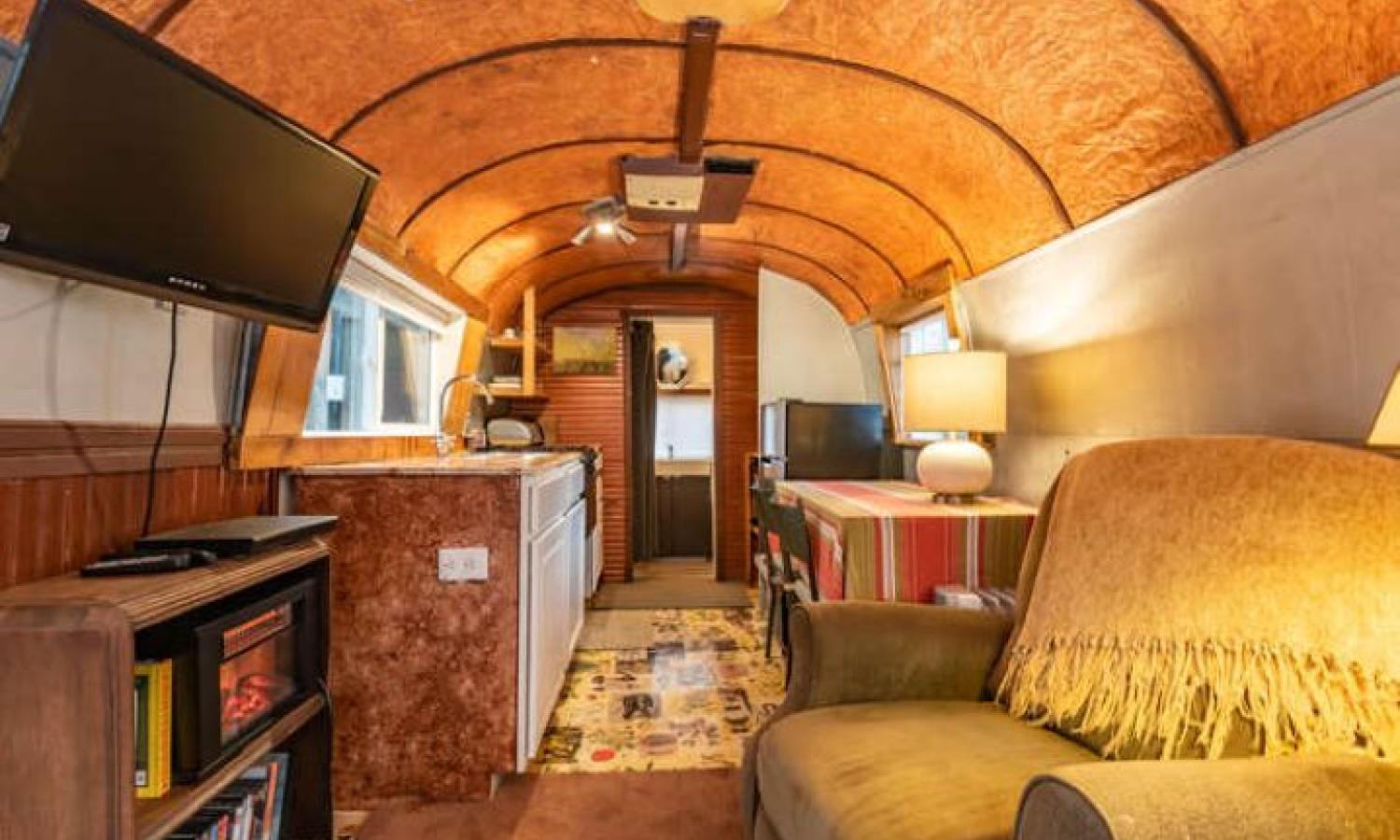
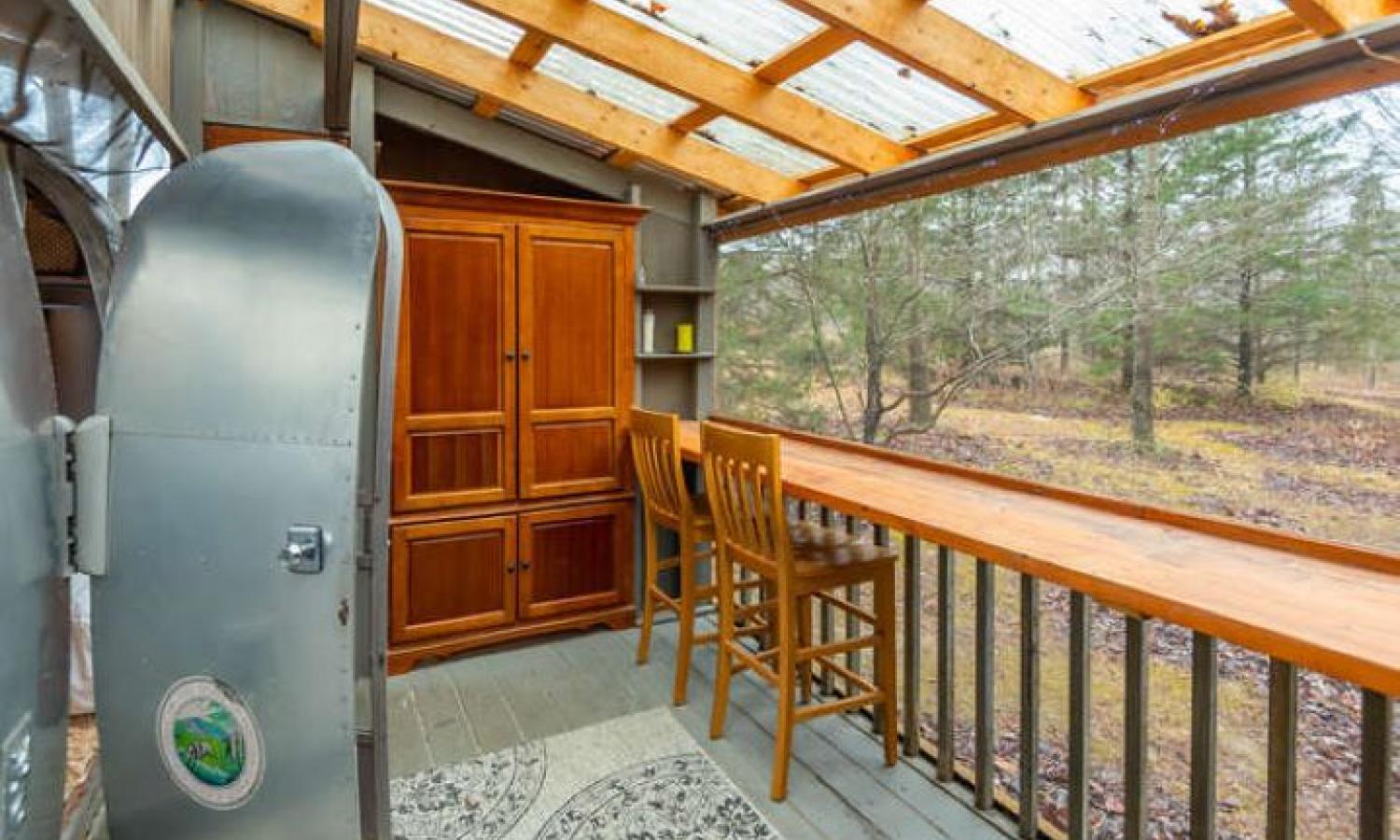
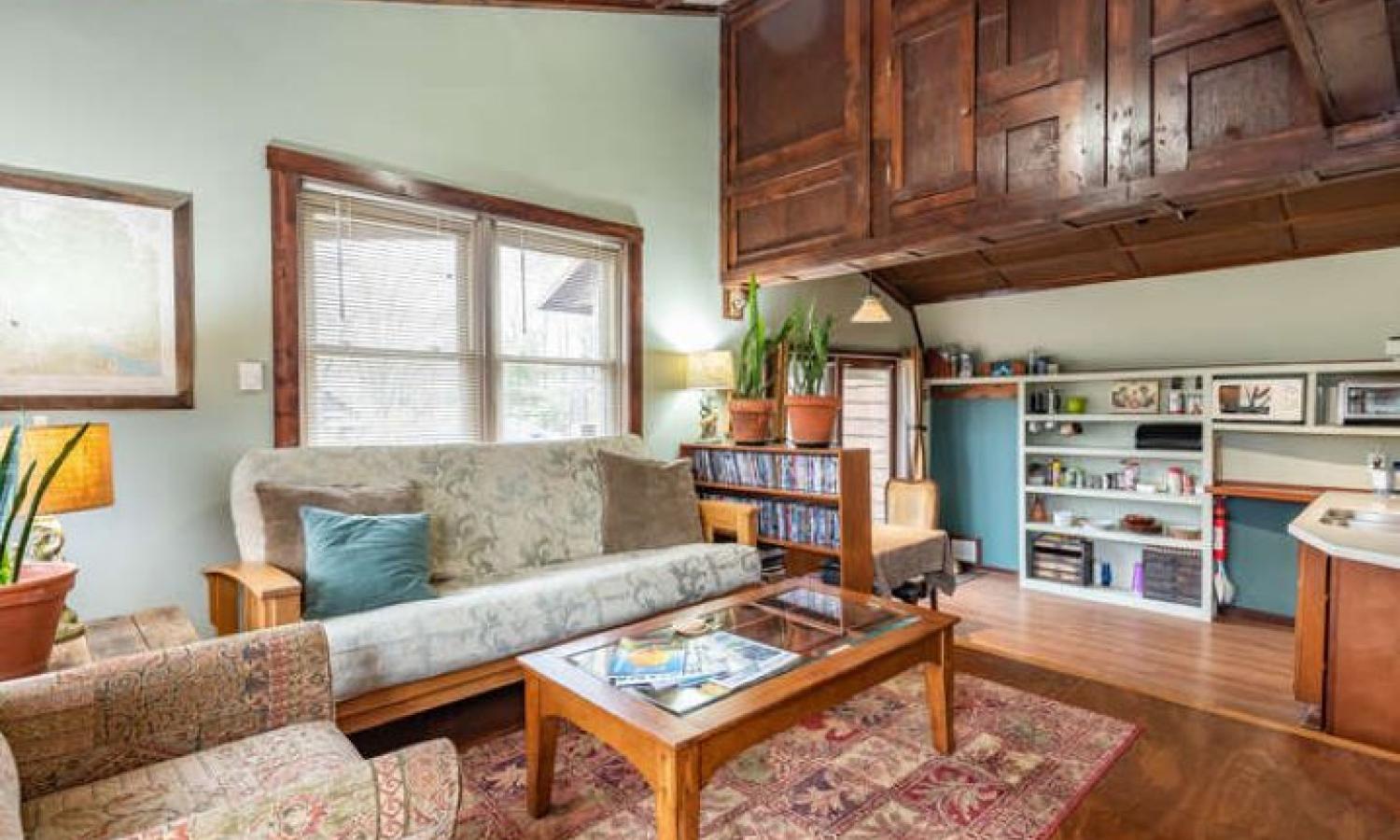
Two of Sitka's seven private living spaces

Two of Sitka's seven private living spaces

Sitka Center Residency

Otis, OR, United States

Sitka residencies provide time and space for self-paced work and reflection in an inspiring natural setting. Residents from  a broad and interdisciplinary range of art, writing, music and science-based practices come to Sitka to create and explore away from the familiar contexts and constraints of daily routines, and free from external expectations. Located within the unique ecosystems of the Cascade Head Scenic Research Area and the Salmon River Estuary on Oregon's central coast, Sitka is a place where natural curiosity is sparked and creativity is unleashed.

We currently invite 40-60 practitioners to stay at Sitka each year during residency season, which runs from late October to early May. Some are emerging voices while others are practicing professionals, and our residents represent a diversity of geographies and cultural backgrounds. A range of personal and shared experiences are possible at Sitka, from sanctuary and solitude to cross-pollination and community. 

Sitka is committed to equity, welcoming people from diverse cultures, backgrounds and experiences, and acknowledges that stepping away from day to day life to spend extended time in nature may be a more complex undertaking for some. From climate change and environmental justice to systemic racism and economic inequality, diverse perspectives help spark new ideas and collaborative approaches to address today's challenges in creative ways. Bringing together people from different backgrounds and fields of expertise is

Contact

56605 Sitka Drive
Otis, OR 97368
United States

Year Founded
1981
Context
Rural
Remote
Residency Structure
Longterm/embedded in neighborhood
Embedded in intentional community
Residency Program Type
Studio-based (with housing)
Retreat
Community-engaged
Experiential
Residency Length
2 weeks - 3 months
Languages
English
Average Number of Artists in Residence at a Time
7
Collaborative Residency
May apply as a team
Discipline
Acting
Animation
Architecture
Art Conservation
Art Education
Biology
Book Arts
Ceramics/Clay Arts/Pottery
Costume/Fashion Design
Criticism
Digital Media
Documentary
Drawing
Ecology
Electronic Arts
Environmental Arts
Environmentalism/Conservation
Fiction
Film
Fine Metals/Jewelry
Graphic Design
Illustration
Installation Arts
Interdisciplinary Arts
Journalism
Landscape Architecture
Literary Nonfiction
Literature
Mixed Media
Moving Image
Multimedia Arts
Music
New Genres
Nonfiction
Opera
Painting
Paper Arts
Performance Art
Photography
Playwriting
Poetry
Printmaking
Public Art
Science
Screenwriting
Sculpture
Social Practice
Sound Art
Storytelling
Symphony
Textile & Fiber Arts/Weaving
Theater
Translation
TV + Radio
Urban Planning/Design
Virtual Reality
Visual Arts
Woodworking
Writing
Companions
Pets are not allowed
Country of Residence
Open to artists based anywhere in the world
Family Friendly
Residents granted leave during residency
Spouses/partners allowed for full stay (non-collaborators)
Children allowed for full stay
Stage of Career
Any stage of career
Emerging
Mid-career
Established
Additional Expectations/Opportunities
Give artist talk or presentation
How does your residency program support artists?
Opportunity to be in another context
Opportunity to travel
Immersion in new culture and/context
Unstructured time
Access to studio space to create new work
Inspiration from natural environment
Opportunities to develop relationships with local or regional artists/arts organizations
Opportunities to collaborate with local or regional artists/arts organizations
Opportunities to collaborate with other artists/residents
Opportunities to develop relationships with other artists/residents
Opportunities for work with the local community
Number of Artists Accepted in Most Current Year
40
Total Applicant Pool in Most Current Year
400
Artist Stipend
0
US Dollar (USD)
Travel Stipend/Material Stipends
0
US Dollar (USD)
Residency Fees
0
US Dollar (USD)
Fee Details

Living and studio spaces are provided free of charge. There is an application fee of $30 to help cover the administrative costs to review each residency application. Sitka offers application fee waivers to those for whom this is a barrier. 

Each resident is responsible for all of their own travel and living expenses, including transportation food, toiletries and any supplies used in their work.

Grant/Scholarship/Other Funding Support
0
US Dollar (USD)
Grant/Scholarship/Other Funding Support Details

If you are looking for funding and resources to cover your residency at Sitka please check out this link as a first step.

https://www.artistcommunities.org/funding-residencies

Application Fee
30
US Dollar (USD)
Application Type
Open application
What does your program provide during the residency experience?
Pre-orientation
Manual / handbook before arrival
Communication before arrival to discuss accommodations, medical conditions, or other health needs
Orientation upon arrival
Contact information and available accommodations for programs, events, and campus
Written and or hard copies of text being presented
Staff/volunteer providing guidance to help locate facilities or activities
Contact info for accessibility requests for event/programming
Is your campus wheelchair accessible?
Partially Accessible
Additional Accessibility Information

Sitka’s studios, the office and library are ADA accessible. We have one cabin that is ADA accessible The cabins and studios are situated on a steep slope that also impacts accessibility at our facility. There is a gravel pathway from the parking lot to the office. We have a courtyard behind and above the office that can be reached via car. This courtyard has ramps off of it with access to two studios and our ADA cabin. Please contact us directly with specific questions or provide information about your needs in your application. 

Sitka hosts certified service animals in accordance the ADA. Please note that Emotional Support Animals (ESAs) are not considered service animal under the ADA. Sitka has two housing options to accommodate residents’ pets or ESAs at our discretion. Please disclose this information in your application so that we may accommodate you appropriately.

Caregiver/Aide/PCA
Case by case consideration by staff
Accessibility Contact Name
Maria Elting
Accessibility Contact Email
mariaelting@sitkacenter.org
Accessibility Contact Phone Number
Other Services/Aids Offered in Residency + Other Programming

For residents without access to a car we provide pick up at the bus stop connecting from PDX as well as grocery pick-up services from our local grocery store.  A detailed travel guide is provided to accepted residents. 

We can assist with connecting residents with citizen science and educational ecology and other cultural opportunities. 

We offer paid opportunities for interested residents to participate in our K-8 Create program. 

We provide plenty of verbal and written orientation and guidance to our space prior and during the residency period. The team is always available to connect with individuals as needed, to address specific concerns or needs or just to chat. 

How much of the residency experience can artists with limited mobility participate?

The office, library and all three studios are accessible for a person with limited mobility.  We have one ADA cabin that is designed for a person with limited mobility.

Please briefly describe the facilities and areas of the campus that are NOT accessible.

The campus is situated on a steep hill.  Most of the houses have stairs in order to access the living spaces.  The laundry room is not accessible without climbing stairs. 

Type of Housing
Private housing on campus (individual apartment/cabin/house)
Private housing off campus (individual apartment/cabin/house)
Accessible Housing
Partially Accessible (50% or more)
Inaccessible
Housing for Companion And/or Caregivers
Case by case consideration
Accessible Communal Spaces
N/A
Common/Communal Spaces Information

Two studios, courtyard and library are all accessible. 

Additional Housing Information
Access to laundry on campus
WIFI available in housing
Heat and Cool control managed by resident
Meals Provided
Residents have access to private kitchen
No meals are provided
Computer/Internet Access
Computer and internet connection provided in common area (shared)
Wireless Internet (WIFI)
Ethernet provided in living or studio area
Studios/Facilities Details

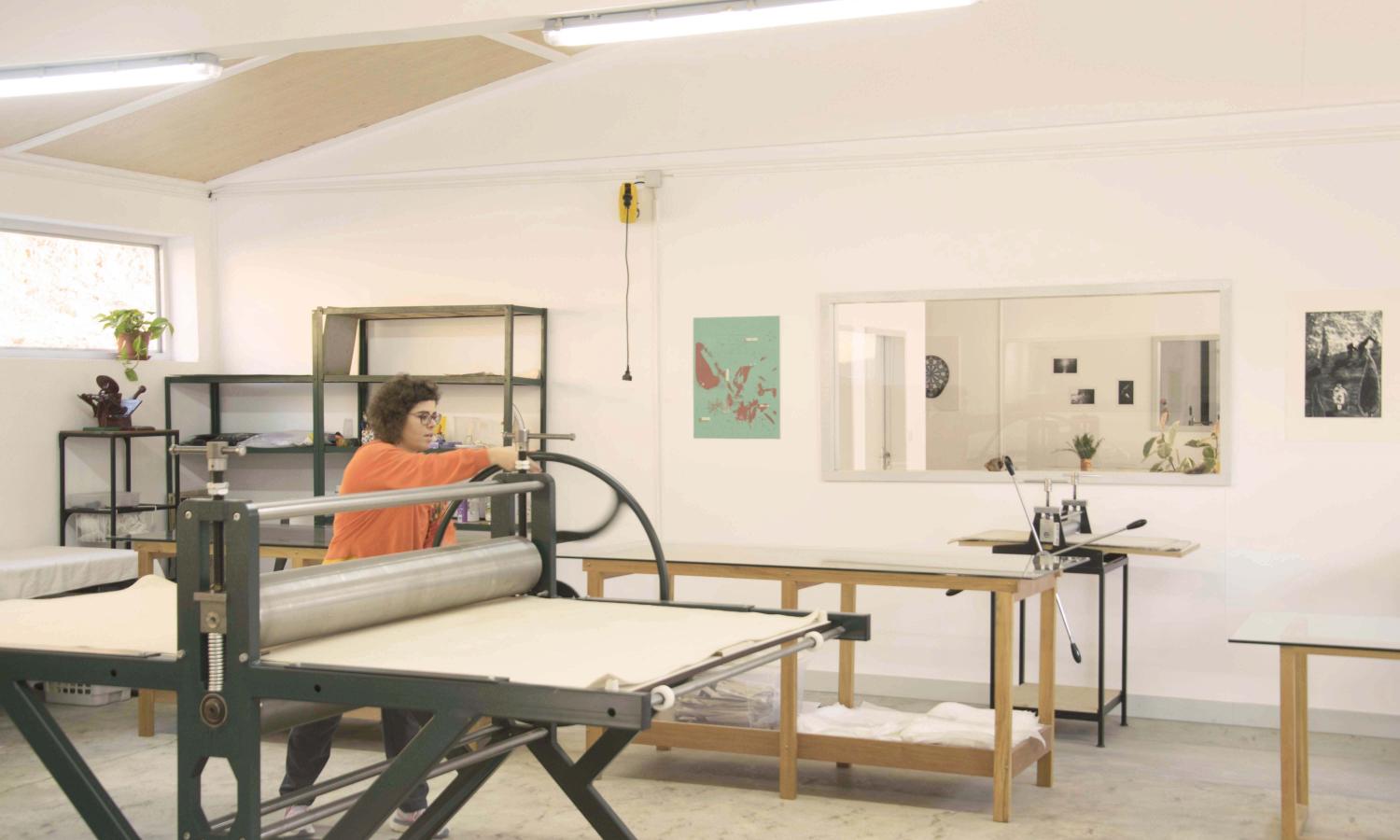
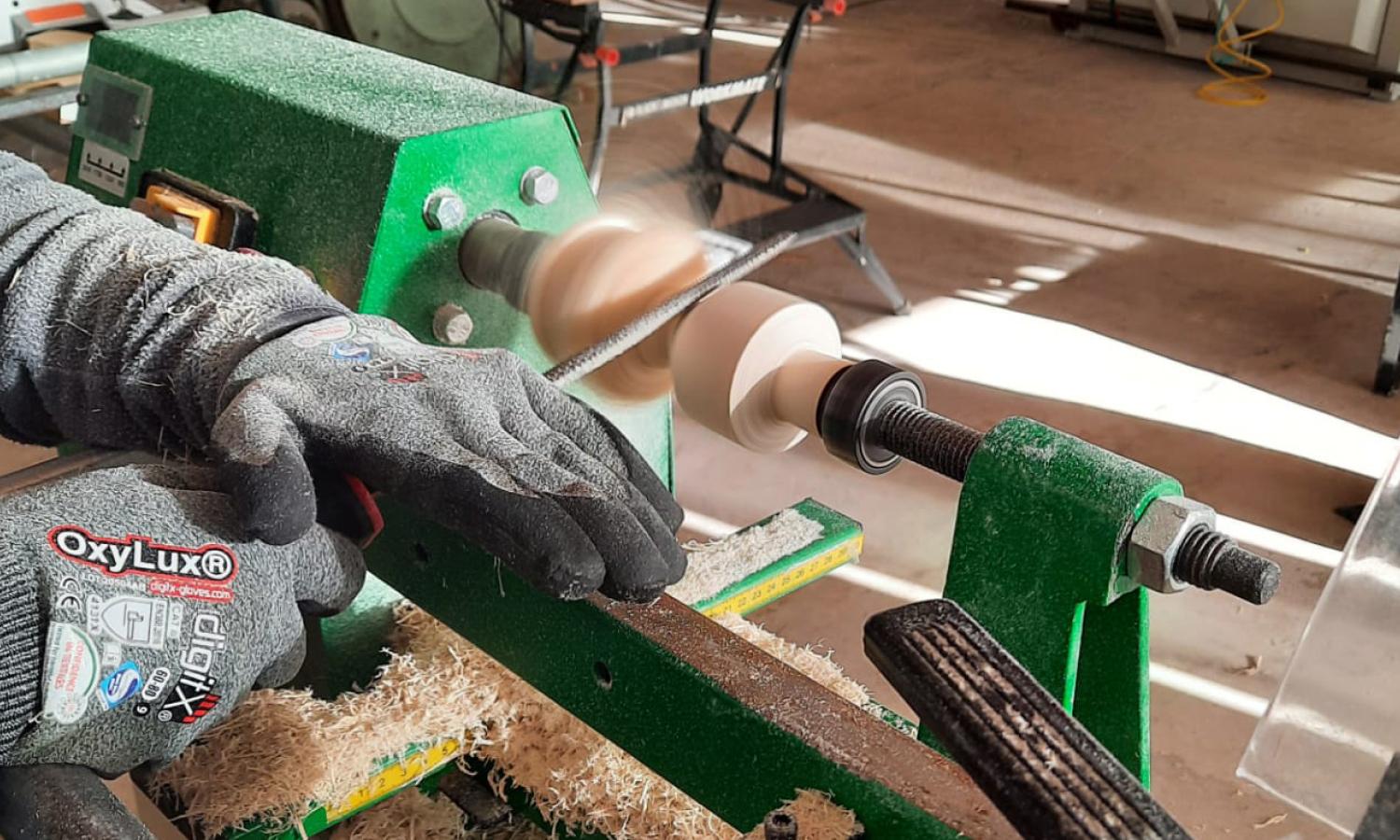
The Sitka Center is located on a small 0.65 acre plot donated by the homeowners of the surrounding Cascade Head Ranch. Its facilities include the Collins Centrum, which houses a reception area, offices, and the Hale Reference Library; the Sculpture Studio, a work room for clay, wood, and stone; the Smith Studio, which houses Sitka’s Ray Trayle press and other equipment appropriate to printmaking; the Boyden Studio, the first building on campus used primarily as a painting studio; and the Edelman Studio, an exhibition and presentation space.

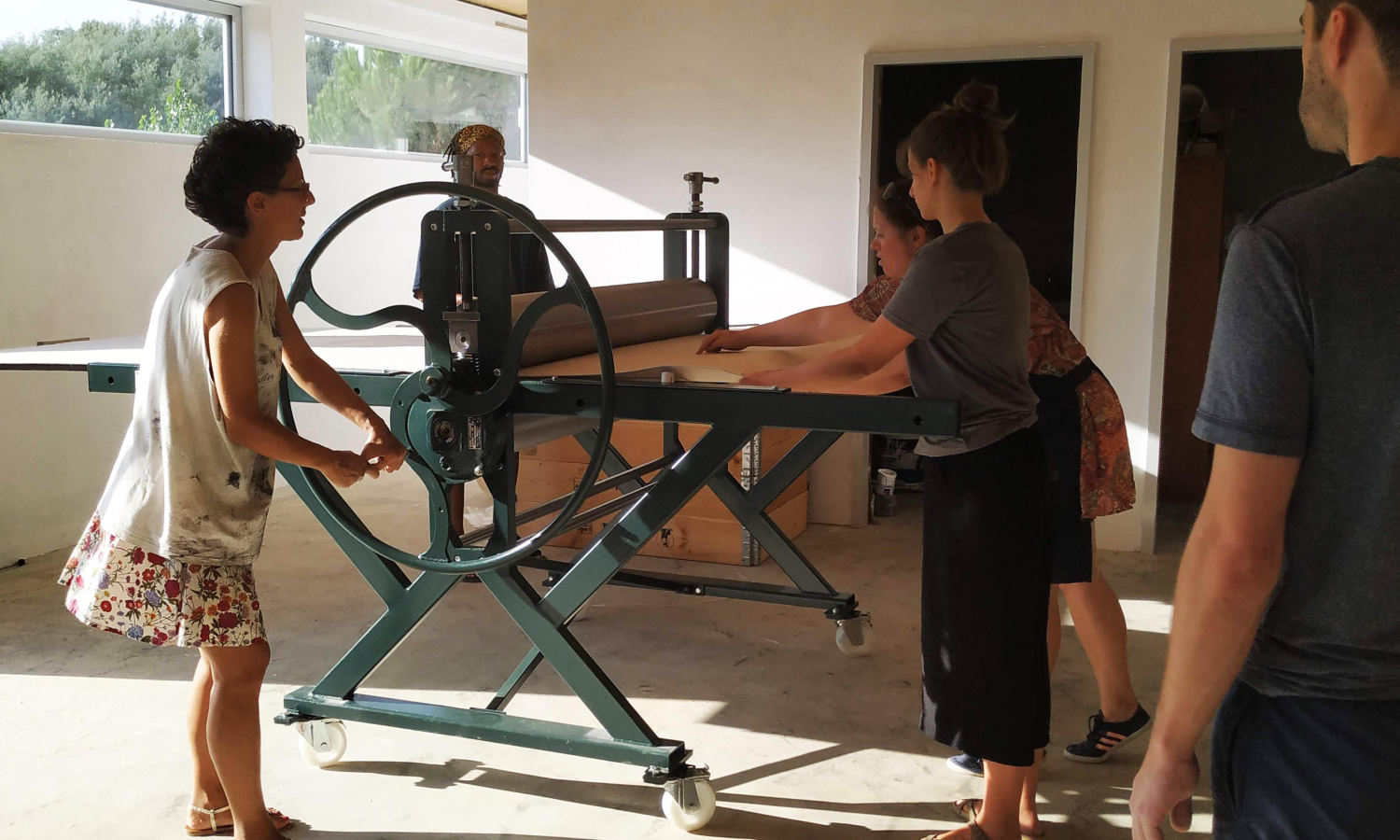
Sitka's studios are comfortable and flexible. We can provided basic items like easels, task lights, tables and chairs. One studio contains a printing press, and there is a small ceramics studio on campus. Sitka does not provide art or laboratory supplies used for art making or scientific investigation. Please talk with us about your specific needs.

Studios/Special Equipment
Private Studios
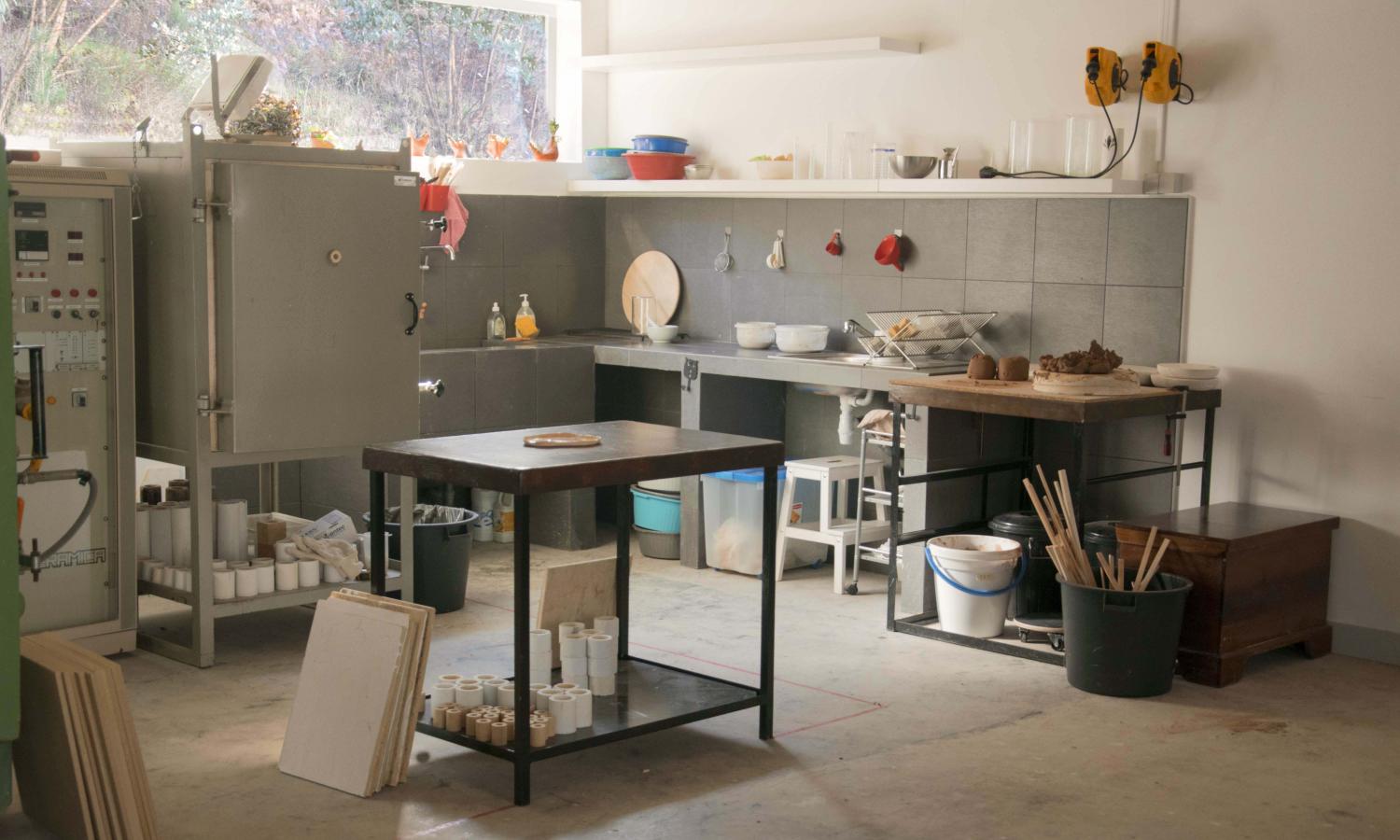
Ceramics Workspace
Electric Kiln
Painting Workspace (Oil)
Easels
Printmaking Workspaces
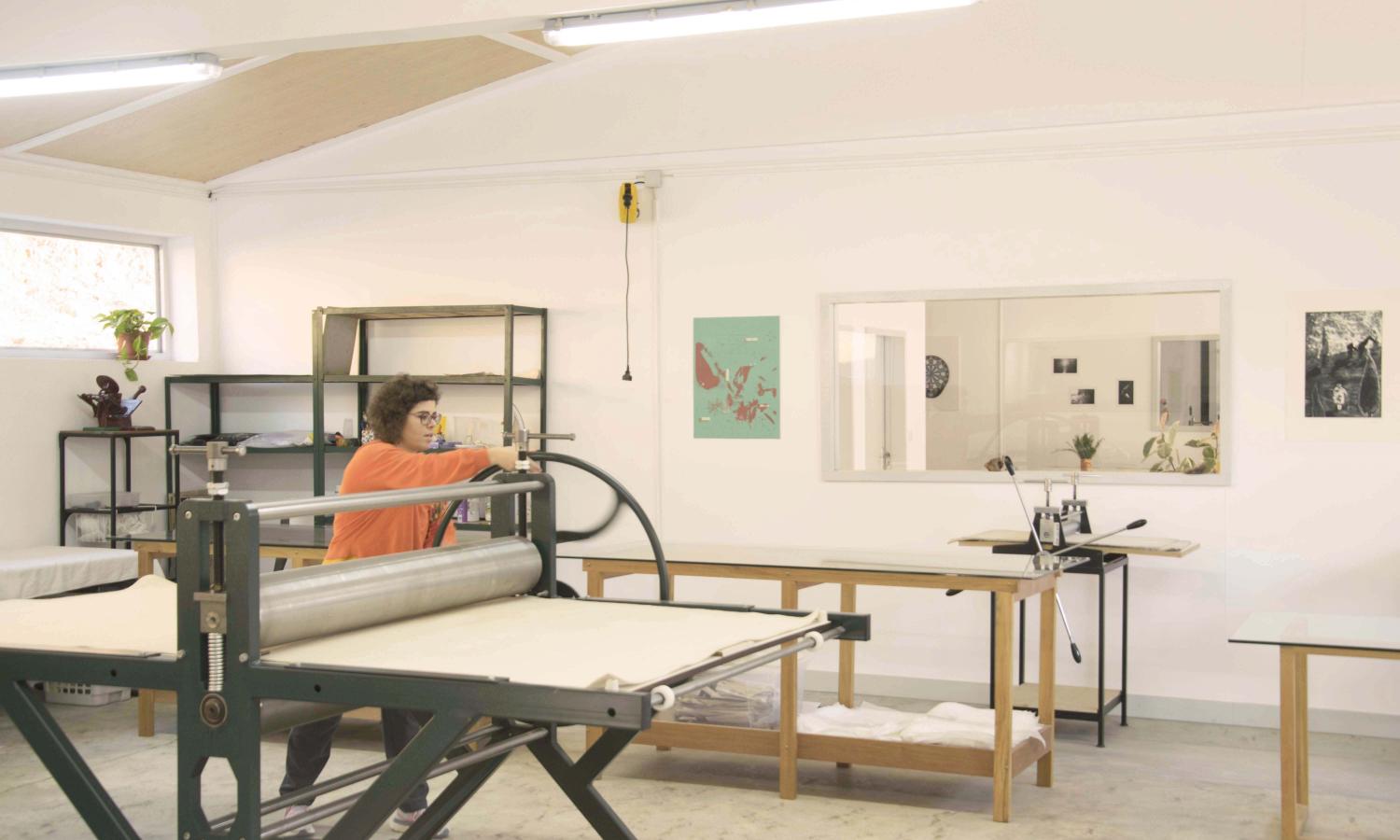
Etching Press
Glass Inking Table
Drying Racks
Aquatint Box
Hot Plates
Paper Soaking Sinks
Light Tables
Large Sinks
Woodworking Tools
Tablesaw
Wood Vises And Wood Working Table
Studios/Facilities Accessibility
Partially Accessible (50% or more)
Studio Support/Tech
Studio/facility orientation provided
No studio support provided

StudioWorks Artist-in-Residence Program

Artist Emily Oliveira cuts brightly colored fabric over-dyed in the studio to create applique quilts depicting the landscape of Passamaquoddy Bay.

Artist Emily Oliveira cuts brightly colored fabric over-dyed in the studio to create applique quilts depicting the landscape of Passamaquoddy Bay.

Luba Zygarewicz stands at a studio table, painting inked lines on paper and mixed media.

Luba Zygarewicz stands at a studio table, painting inked lines on paper and mixed media.

Carrie Dickason arranges elements of black and white patterned shapes on a large canvas at StudioWorks.

Carrie Dickason arranges elements of black and white patterned shapes on a large canvas at StudioWorks.

Harley Ngai Grieco hosts an open studio visit with members of the community in the summer of 2021.

Harley Ngai Grieco hosts an open studio visit with members of the community in the summer of 2021.

A family poses outside of the Tides institute for a tin-type portrait photograph taken by John DiMartino, Jr.

A family poses outside of the Tides institute for a tin-type portrait photograph taken by John DiMartino, Jr.

Herb Weaver sits behind ceramic teapot sculptures artwork in the studio. As part of his residency, Weaver worked with students at local schools and hosted community members to work on a collaborative piece.

Herb Weaver sits behind ceramic teapot sculptures artwork in the studio. As part of his residency, Weaver worked with students at local schools and hosted community members to work on a collaborative piece.

Tara Homasi's StudioWorks project involved writing, video and the study of community through its representation on Google.

Tara Homasi's StudioWorks project involved writing, video and the study of community through its representation on Google.

StudioWorks Artist-in-Residence Program

Eastport, ME, United States

 The StudioWorks Artist-in-Residence Program at the Tides Institute & Museum of Art (TIMA) offers residency opportunities to visual artists from the U.S. and abroad to deepen and develop their practice within a community setting. Our studios, museum and housing are located within the historic downtown and working waterfront of Eastport, Maine and overlook the U.S./Canada boundary. TIMA’s downtown StudioWorks building contains private studios, common work areas, and a ground floor printmaking and letterpress studio. 

The StudioWorks program mission, supported by two national awards from ARTPLACE and many additional funders, is to place the arts in the center of the community, utilizing the arts and artists to foster, engage, and create a vital and vibrant downtown. A StudioWorks residency provides an artist with a unique experience to play an active role in our creative community and region through socially engaged projects, educational outreach or public programming. So far, 71 artists from 18 different states and three foreign countries have participated in the program. 

Contact

43 Water Street
Eastport, ME 04631
United States

Year Founded
2013
Context
Rural
Remote
Residency Structure
Embedded in an arts or cultural organization (including theater + gallery)
Embedded in a museum
Longterm/embedded in neighborhood
Residency Program Type
Studio-based (with housing)
Community-engaged
Residency Length
2 weeks - 8 weeks
Languages
English
Average Number of Artists in Residence at a Time
2
Collaborative Residency
Must apply and be accepted individually
Discipline
Drawing
Interdisciplinary Arts
Mixed Media
Painting
Printmaking
Sculpture
Visual Arts
Book Arts
Ceramics/Clay Arts/Pottery
Costume/Fashion Design
Digital Fabrication
Fine Metals/Jewelry
Installation Arts
Paper Arts
Textile & Fiber Arts/Weaving
Woodworking
Animation
Augmented Reality
Digital Media
Documentary
Electronic Arts
Film
Moving Image
Multimedia Arts
Photography
Sound Art
Virtual Reality
Graphic Design
Illustration
Industrial Design
Architecture
Environmental Arts
Public Art
Social Practice
Urban Planning/Design
Art Education
Companions
Pets (Non-service animals)
Country of Residence
Open to artists based anywhere in the world
Family Friendly
Residents granted leave during residency
Spouses/partners allowed for full stay (non-collaborators)
Children allowed for full stay
Stage of Career
Any stage of career
Additional Expectations/Opportunities
Participate in public programming
Participate in open studio with fellow residents
Give artist talk or presentation
How does your residency program support artists?
Opportunity to be in another context
Opportunity to travel
Immersion in new culture and/context
Unstructured time
Unrestricted funding
Research support
Art production support
Access to studio space to create new work
Access to equipment, specialized facilities and/or technical support
Inspiration from natural environment
Inspiration from cultural context
Professional development support and/or trainings
Opportunities to develop relationships with local or regional artists/arts organizations
Opportunities to collaborate with local or regional artists/arts organizations
Opportunities to collaborate with other artists/residents
Opportunities to develop relationships with other artists/residents
Opportunities for work with the local community
Opportunities to exhibit or perform new work
Additional Eligibility Information

The StudioWorks artist-in-residence program is open to professionally established and/or emerging visual artists and craftspeople from anywhere in the world. Students who are enrolled in an undergraduate or masters-level degree program at the time of the application deadline are not eligible for a residency and should not apply. Proposals from collaborative teams of two will be considered, but StudioWorks cannot consider proposals from larger groups/teams due to housing and studio limitations. Collaborative pairs must apply separately to the program, and indicate in their proposals that they wish to work together. Please include evidence of collaborative work, if possible/applicable, and specify housing needs (separate or shared). Artists-in-residence may overlap with other artists-in-residence, artists working as museum guests, lecturers, or community members using printmaking/letterpress studio during scheduled times. Private studios and/or live/work spaces will be designated for artist-in-residence use only

Number of Artists Accepted in Most Current Year
17
Total Applicant Pool in Most Current Year
240
Artist Stipend
2000
US Dollar (USD)
Travel Stipend/Material Stipends
Residency Fees
0
US Dollar (USD)
Grant/Scholarship/Other Funding Support
Application Fee
25
US Dollar (USD)
Application Type
Open application
What does your program provide during the residency experience?
Pre-orientation
Manual / handbook before arrival
Communication before arrival to discuss accommodations, medical conditions, or other health needs
Orientation upon arrival
Contact information and available accommodations for programs, events, and campus
Full description of accessibility on campus
Links to resources, effective practices, grievance procedures, etc.
Materials in large print
Use of colored paper for printed materials
Audio description
High contrast, clear way-finding and/or signage
Accessible seating
Staff/volunteer reading information aloud
Staff/volunteer giving directions
Staff/volunteer providing guidance to help locate facilities or activities
Contact info for accessibility requests for event/programming
Is your campus wheelchair accessible?
Partially Accessible
Additional Accessibility Information

In the StudioWorks building, private studios are both located on the ground floor and there is one ground-floor, ADA-compliant bathroom. Both studios are storefronts, with their own door to the street.  One studio has a single step up to the entry, and the other one is ramped. Once you enter the building you can get to both studios through interior doorways and both studios have access to the ground floor ADA-compliant bathroom.

There is a second floor to the studio building, which has a kitchenette, open work space, second bathroom, washer/dryer and storage. The flight of stairs is long, with two landings, and there is a handrail. 

We have two housing options. One is a ground floor private apartment that is accessed by a wooden ramp from the yard and driveway area. This is a large open plan apartment, with a small but fully furnished kitchen and small bathroom. The bathroom is not ADA-compliant as the interior space is small, and it has a low-threshold, small shower.

Our other accommodations are in a house that is accessed by exterior steps and a step up from an enclosed porch. There is a handrail on the entry steps. There is a ground-floor bedroom with attached bath (also small, with a low-threshold shower) and a shared kitchen with washer/dryer. There are two second-floor bedrooms, and a second-floor bath with a cast-iron tub with shower attachment, and a handrail on the staircase.

Lastly, there is a somewhat steep hill on Dana Street in Eastport, which connects Water Street (studios, museum, downtown) with Green Street (housing). The distance between Water Street and Green Street is about a city block long.

Caregiver/Aide/PCA
Housing available on campus
Housing available off campus
Local arrangements coordinated by staff
Case by case consideration by staff
Accessibility Contact Name
Kristin McKinlay
Accessibility Contact Email
kmckinlay@tidesinstitute.org
Accessibility Contact Phone Number
How much of the residency experience can artists with limited mobility participate?

The facilities are partially accessible. Public-access spaces on campus that are not fully accessible are the second floor of the studio building and the second floor gallery space of the Tides Institute & Museum of Art. StudioWorks housing is partially accessible, as described above.

Please briefly describe the facilities and areas of the campus that are NOT accessible.

Public-access spaces on campus that are not fully accessible are the second floor of the studio building and the second floor gallery space of the Tides Institute & Museum of Art. StudioWorks housing is partially accessible, as described above.

Type of Housing
Private housing off campus (individual apartment/cabin/house)
Private bedroom in a shared housing facility on campus
Accessible Housing
Partially Accessible (50% or more)
Housing for Companion And/or Caregivers
Housing available
Accessible Communal Spaces
ADA Compliant
Additional Housing Information
Access to laundry on campus
Access to laundry in housing
No WIFI in housing
Heat and Cool control managed by resident
Meals Provided
Residents have access to shared kitchen
Residents have access to private kitchen
Additional Meals Information
N/A
Computer/Internet Access
Wireless Internet (WIFI)
Studios/Facilities Details

StudioWorks Facility (Year-round):
Ground-floor private studio and separate print studio: each approx. 450 sq. ft. Ground floor shared accessible bathroom. Second floor common area, shared kitchenette and laundry and second bathroom.

Studios may be equipped, as needed/desired, with stainless steel or folding tables, folding chairs, stools, portable desk lamps, clip-on lights. A sink is in each studio. Studio walls are sheet-rocked and primed, but not finished with final paint coat and some walls have white-painted fiberboard panels (Homasote) for pinning work. Wireless internet and landline telephone is provided. Both studios have private entrance doors and screened transom windows.

Nina Bohlen Print Studio equipment:
Custom-designed etching press (Peter Lindenmuth/Hyman Bloom) (24”x 48”); Vandercook No. 4 letterpress; Ettan etching press (12”x 24”); Sigwalt tabletop letterpress (6”x 9”); Line-O Scribe tabletop letterpress; Nolan tabletop proof press. Miscellaneous collection of wood and metal type, inks, screen printing frames, and other printmaking- related tools and supplies. Full inventory list available to accepted artists.

North Church Project Space Facility (seasonal):

Ground-floor private studio, approx. 500 sq. ft. Studio is equipped with folding tables, wood workbenches on casters, shop sink. Studio has concrete floors and plaster walls, and south-facing screened windows.

Studios/Special Equipment
Private Studios
Large Format Printer / Plotter
Large Format Scanner
Printers + Scanner
Easels
Printmaking Workspaces
Book Arts Facilities
Etching Press
Glass Inking Table
Drying Racks
Hot Plates
Paper Tearing Table
Large Sinks
Washer And Dryer
Studios/Facilities Accessibility
ADA Compliant
Partially Accessible (50% or more)
Studio Support/Tech
Studio/facility orientation provided
Studio support provided by staff
On-call Studio support provided
Heat and Cool control access
Additional Studio Information

Tools, Equipment and Supplies Available:

The StudioWorks Artist-in-Residence Program has basic shop and hand tools for artists to use, including a jigsaw, circular saw, portable drill, hammers, etc. Other tools and supplies include an iron, ironing board, studio blender, studio hot pot, hot plate, sewing machines, portable electric 2-burner stove and extension cords/power strips. Supplies may need to be shared with other artists-in-residence.

A general office all-in-one b/w copier/scanner/printer is available at StudioWorks. Other equipment at is also available to use at the Tides Institute main building: Epson Expression 10000XL (17” x 22”) photo scanner; Epson 3880 (17”) color printer; general office printers (b/w, and color toner).

Write On, Door County Writers' Residency Program

Aerial view of the residency house from the south.

Aerial view of the residency house from the south.

Front of the residency house in fall.

Front of the residency house in fall.

Residents gathering at the writing center fire pit.

Residents gathering at the writing center fire pit.

The writing center at sunset.

The writing center at sunset.

The property in fall.

The property in fall.

Snowfall on the typewriters outside The Coop.

Snowfall on the typewriters outside The Coop.

A view from the meadow of The Coop with the residency house in the background.

A view from the meadow of The Coop with the residency house in the background.

Path through the birch grove in spring.

Path through the birch grove in spring.

Write On, Door County Writers' Residency Program

Fish Creek, WI, United States

In the heart of Door County, on Wisconsin's northeast peninsula, nestled between the waters of Green Bay and Lake Michigan, writers can find the peace and solitude to focus on their craft. Write On offers a space of inspiration and reflection on 59 acres of meadows, orchards, and woods.

We invite application from writers in any genre, regardless of publication history. We also welcome literary arts administrators who need time to focus on upcoming projects. Writers traveling with children or other family members are welcome to apply.

Write On is a small residency program, typically housing one to three writers at a time. We encourage collaborative residencies, though each writer must submit an individual application. There are two spacious bedrooms with a shared bath on the second floor. The first floor contains a one-bedroom suite with full bath as well as shared eat-in kitchen and living room.

Additional creative space can be found in The Coop, located in the residency meadow, and in the writing center, located across the street.


Contact

4210 Juddville Rd.
Fish Creek, WI 54212-0457
United States

Year Founded
2013
Context
Rural
Residency Structure
Stand-alone
Residency Program Type
Studio-based (with housing)
Retreat
Community-engaged
Research
Residency Length
1 week - 4 weeks
Languages
English
Average Number of Artists in Residence at a Time
2
Collaborative Residency
Must apply and be accepted individually
Discipline
Book Arts
Criticism
Fiction
Journalism
Literary Nonfiction
Literature
New Genres
Nonfiction
Playwriting
Poetry
Screenwriting
Storytelling
Translation
Writing
Companions
N/A
Country of Residence
Open to artists based anywhere in the world
Family Friendly
Spouses/partners allowed for full stay (non-collaborators)
Children allowed for full stay
Stage of Career
Any stage of career
Emerging
Mid-career
Established
Additional Expectations/Opportunities
Participate in public programming
Give artist talk or presentation
Lead workshop for the public
Lead a skill share
Other
How does your residency program support artists?
Opportunity to be in another context
Immersion in new culture and/context
Unstructured time
Inspiration from natural environment
Opportunities to develop relationships with local or regional artists/arts organizations
Opportunities to collaborate with local or regional artists/arts organizations
Opportunities to collaborate with other artists/residents
Opportunities to develop relationships with other artists/residents
Opportunities for work with the local community
Additional Eligibility Information

Applicants must be 21 years of age or older.

Applicants may be in degree-granting programs.

We welcome applications from writers in all genres as well as from literary arts administrators (publishers, editors, program directors, etc.). 

Number of Artists Accepted in Most Current Year
45
Total Applicant Pool in Most Current Year
60
Artist Stipend
0
US Dollar (USD)
Travel Stipend/Material Stipends
0
US Dollar (USD)
Residency Fees
0
US Dollar (USD)
Grant/Scholarship/Other Funding Support
0
US Dollar (USD)
Application Fee
40
US Dollar (USD)
Application Type
Open application
What does your program provide during the residency experience?
Manual / handbook before arrival
Communication before arrival to discuss accommodations, medical conditions, or other health needs
Orientation upon arrival
Contact information and available accommodations for programs, events, and campus
Full description of accessibility on campus
Is your campus wheelchair accessible?
Partially Accessible
Caregiver/Aide/PCA
Housing available on campus
Accessibility Contact Name
Jerod Santek
Accessibility Contact Email
jerod@writeondoorcounty.org
Accessibility Contact Phone Number
How much of the residency experience can artists with limited mobility participate?

Currently, there are two steps into the house.

The first floor of the residence is ADA compliant.

The writing center is ADA compliant.

Please briefly describe the facilities and areas of the campus that are NOT accessible.

Currently, there are two steps into the house.

The washer and dryer are in the basement and not accessible.

Our trails are natural paths through woods and along uneven ground. This includes the path to the writing studio The Coop.

Type of Housing
Private housing on campus (individual apartment/cabin/house)
Private bedroom in a shared housing facility on campus
Accessible Housing
Partially Accessible (50% or more)
Housing for Companion And/or Caregivers
Case by case consideration
Accessible Communal Spaces
ADA Compliant
Additional Housing Information
Access to laundry in housing
WIFI available in housing
Housekeeping services
Air Conditioned Housing
Heat and Cool control managed by resident
Meals Provided
Residents have access to private kitchen
Additional Meals Information
N/A
Computer/Internet Access
Computer and internet connection provided in common area (shared)
Computer and internet connection provided in studio area (private)
Wireless Internet (WIFI)
Studios/Facilities Details

The first floor of the house contains one bedroom with an adjacent writing room. Upstairs bedrooms each have a writing nook. WiFi is available throughout the house. 

The Coop is available for residents to work in during the warmer months of the year. There is no WiFi, electricity, or heating/cooling in The Coop.

The center has creative nooks in which residents are welcome to work. 
Studios/Special Equipment
Private Studios
Shared Studios
Printers + Scanner
Washer And Dryer
Other
Studios/Facilities Accessibility
Partially Accessible (50% or more)
Studio Support/Tech
Studio support provided by staff
Air Conditioned
Heat and Cool control access
Additional Studio Information

Heating and cooling of writing rooms in the house are controlled by residents. Heating and cooling of creative spaces in the writing center are controlled by staff. There is no heating or cooling in The Coop.

Individual Artist Residencies

Artist Private Apartment

Artist Private Apartment

Individual Artist Residencies

Mars Hill, NC, United States

Trillium Arts envisions an artist residency center where artists of many disciplines can find a creative home away from home, offering secluded space for rejuvenation in a beautiful, remote setting in the Blue Ridge Mountains. Our current facilities are best suited to the disciplines of literary arts, photography, visual arts and arts administration.

Contact

357 Joe Brown Road
Mars Hill, NC 28754
United States

Year Founded
2021
Context
Rural
Residency Structure
Stand-alone
Residency Program Type
Studio-based (with housing)
Thematic
Community-engaged
Research
Experiential
Residency Length
7 days - 14 days
Languages
English
Average Number of Artists in Residence at a Time
1
Collaborative Residency
Must apply and be accepted individually
Discipline
Drawing
Interdisciplinary Arts
Mixed Media
Painting
Printmaking
Sculpture
Visual Arts
Book Arts
Paper Arts
Criticism
Fiction
Journalism
Literary Nonfiction
Literature
New Genres
Nonfiction
Playwriting
Poetry
Screenwriting
Translation
Writing
Acting
Choreography
Performance Art
Theater
Digital Media
Multimedia Arts
Photography
Graphic Design
Illustration
Architecture
Environmental Arts
Landscape Architecture
Public Art
Social Practice
Storytelling
Ecology
Environmentalism/Conservation
Companions
Pets (Non-service animals)
Country of Residence
Open to artists based anywhere in the world
Family Friendly
Spouses/partners allowed for full stay (non-collaborators)
Children allowed for full stay
Stage of Career
Any stage of career
Additional Expectations/Opportunities
Donate a work of art
Participate in public programming
Give artist talk or presentation
Lead workshop for the public
How does your residency program support artists?
Opportunity to be in another context
Immersion in new culture and/context
Unstructured time
Access to studio space to create new work
Inspiration from natural environment
Inspiration from cultural context
Professional development support and/or trainings
Opportunities to develop relationships with local or regional artists/arts organizations
Opportunities to collaborate with local or regional artists/arts organizations
Opportunities for work with the local community
Opportunities to exhibit or perform new work
Additional Eligibility Information

Application Requirements include:

· CV or resume (not to exceed 5 pages)

· A one-page Artist Statement that shares your goals as an artist and how you achieve those goals.

· A one-page Project Description that describes your intention for a Trillium Arts Residency. What do you plan to accomplish?

· One Letter of Recommendation. This letter should be submitted separately by an outside recommender. Provide an email address below and your recommender will receive an automatic link to use to submit their letter on your behalf.

A Work Sample in either as a Text, Image or Video based format.

Number of Artists Accepted in Most Current Year
10
Total Applicant Pool in Most Current Year
20
Artist Stipend
0
US Dollar (USD)
Travel Stipend/Material Stipends
0
US Dollar (USD)
Residency Fees
500
US Dollar (USD)
Grant/Scholarship/Other Funding Support
250
US Dollar (USD)
Application Fee
0
US Dollar (USD)
Application Type
Open application
What does your program provide during the residency experience?
Pre-orientation
Manual / handbook before arrival
Orientation upon arrival
Contact information and available accommodations for programs, events, and campus
Is your campus wheelchair accessible?
Partially Accessible
Additional Accessibility Information

Trillium Arts strives to support artists of all abilities. Trillium’s campus is currently under renovation with construction plans for an accessible 30’ x 40’ studio and artist accommodations consistent with ADA standards. In the interim, Trillium Arts invites artists with disabilities to apply and staff will work to meet specific needs to the best of our current limitations. Special needs are reviewed and discussed with the applying artist on a case by case basis. 

A new path is being built in spring 2022 that will enable artists with mobility issues improved access the creek and firepit area.

Caregiver/Aide/PCA
Case by case consideration by staff
Accessibility Contact Name
Phil Reynolds
Accessibility Contact Email
phil@trilliumartsnc.org
Accessibility Contact Phone Number
Other Services/Aids Offered in Residency + Other Programming

Service Animal dogs under 50lb. are welcome. Rabies and proof of current vaccinations is required. 

How much of the residency experience can artists with limited mobility participate?

The participation level will vary depending upon the nature of the disability. 

Please briefly describe the facilities and areas of the campus that are NOT accessible.

The barn rehearsal studio is currently not accessible.

Type of Housing
Private housing on campus (individual apartment/cabin/house)
Accessible Housing
Partially Accessible (50% or more)
Housing for Companion And/or Caregivers
Case by case consideration
Accessible Communal Spaces
N/A
Additional Housing Information
Access to laundry in housing
WIFI available in housing
Air Conditioned Housing
Heat and Cool control managed by resident
Meals Provided
Some meals (at least 2 meals provided)
Residents have access to private kitchen
Additional Meals Information
Vegan meal options can be requested
Vegetarian meal options can be requested
Gluten-free meal options can be requested
Kosher and halal options can be requested
Food allergies and restrictions can be accommodated
Snack and beverage provided
Computer/Internet Access
Computer and internet connection provided in studio area (private)
Wireless Internet (WIFI)
Studios/Special Equipment
Private Studios
Exhibition / Installation Space
Dance Studio With Sprung Floor
Drying Racks
Large Sinks
Washer And Dryer
Tablesaw
Studios/Facilities Accessibility
Partially Accessible (50% or more)
Studio Support/Tech
Studio/facility orientation provided
Studio support provided by staff
On-call Studio support provided
Air Conditioned
Heat and Cool control access

MacDowell Fellowship

Eastman and Firth Studios

Eastman and Firth Studios

James Baldwin Library glows in the early evening light

James Baldwin Library glows in the early evening light

The Evelyn Steffanson Nef Studio on a bright snowy day

The Evelyn Steffanson Nef Studio on a bright snowy day

Delta Omicron Studio

Delta Omicron Studio

Heinz Studio on a snowy night

Heinz Studio on a snowy night

Main Hall

Main Hall

Composer at work

Composer at work

Visual artist at work

Visual artist at work

MacDowell Fellowship

Peterborough, NH, United States

MacDowell is an artist residency program located in the small town of Peterborough, New Hampshire.  Artists-in-residence need to be comfortable with a degree of solitude and disconnection from the outside world. Studios are comfortably furnished with the artists’ needs in mind. A MacDowell Fellowship consists of exclusive use of a studio, accommodations, and three prepared meals a day for two to eight weeks. There are no residency fees. Artists are responsible for materials and travel expenses. MacDowell encourages applications from artists representing the widest possible range of perspectives and demographics. 

Please look for related open calls for open application dates.

Since its founding in 1907, MacDowell has imbued its spaces with a deep and abiding respect for artists and their creative work. In the 21st century, this fundamental kindness is sustained by the curiosity, generosity, and goodwill circulating within the resident community.

While MacDowell may be thought of as a place apart from the world, the resident population will always be comprised of individuals who are of the world. MacDowell strives to offer ideal working conditions for artists within a joyful and mutually supportive environment. Consistent with that mission, all Fellows are obliged to adopt the community agreement as a condition of accepting a Fellowship. Doing so will help ensure that all Fellows may participate in the enriching exchange that has given rise to countless friendships and collaborati

Contact

100 High Street
Peterborough, NH 03458-2442
United States

Year Founded
1907
Context
Rural
Residency Structure
Stand-alone
Residency Program Type
Studio-based (with housing)
Residency Length
10 days - 8 weeks
Languages
English
Average Number of Artists in Residence at a Time
24
Collaborative Residency
Must apply and be accepted individually
Discipline
Animation
Architecture
Augmented Reality
Choreography
Documentary
Drawing
Fiction
Film
Illustration
Installation Arts
Interdisciplinary Arts
Journalism
Landscape Architecture
Literary Nonfiction
Literature
Mixed Media
Multimedia Arts
Music
Nonfiction
Opera
Painting
Paper Arts
Performance Art
Photography
Playwriting
Poetry
Printmaking
Screenwriting
Sculpture
Sound Art
Symphony
Textile & Fiber Arts/Weaving
Theater
Translation
Virtual Reality
Visual Arts
Woodworking
Writing
Companions
Pets are not allowed
Country of Residence
Open to artists based anywhere in the world
Family Friendly
Residents granted leave during residency
Stage of Career
Emerging
Mid-career
Established
Additional Expectations/Opportunities
Other
How does your residency program support artists?
Opportunity to be in another context
Immersion in new culture and/context
Unstructured time
Access to studio space to create new work
Inspiration from natural environment
Opportunities to collaborate with other artists/residents
Opportunities to develop relationships with other artists/residents
Additional Eligibility Information

MacDowell accepts applications from artists working in the following disciplines: architecture, film/video, interdisciplinary arts, literature, music composition, theatre, and visual arts. The sole criterion for acceptance is artistic excellence, which MacDowell defines in a pluralistic and inclusive way. MacDowell encourages applications from artists representing the widest possible range of perspectives and demographics, engaging in the broadest spectrum of artistic practice, and investigating an unlimited array of inquiries and concerns. To that end, MacDowell welcomes professional artists 21 + years of age working in all stages of their artistic practice to apply. Applicants cannot be enrolled in a degree-seeking program during the residency season for which they are applying. Doctoral candidates who have completed all coursework may apply.

Number of Artists Accepted in Most Current Year
300
Total Applicant Pool in Most Current Year
4000
Artist Stipend
Travel Stipend/Material Stipends
Residency Fees
0
US Dollar (USD)
Fee Details

There are no residency fees.  Accepted artists are responsible for materials and travel expenses. Stipends and travel reimbursement grants are available to accepted artists based on demonstrated financial need. Please see Grant/Scholarship/Other Funding Support Details for more information.

Grant/Scholarship/Other Funding Support
Grant/Scholarship/Other Funding Support Details

There is no cost for a MacDowell Fellowship. To open the residency to the broadest possible community of artists, MacDowell offers financial assistance programs to those who have been awarded a Fellowship. These programs are intended to help with or cover the costs of traveling to and from MacDowell, as well as expenses that artists expect to incur while in residence, including rent, lost income, and childcare.

Artists may apply for stipends and travel grants only if they are awarded a MacDowell Fellowship; and funding is awarded based on demonstrated financial need. Applications for financial assistance, which are made available as part of the confirmation of acceptance to MacDowell, are kept confidential. Financial assistance funds are disbursed during or shortly after a residency. Artists of all disciplines are eligible to apply.

Application Fee
30
US Dollar (USD)
Application Type
Open application
What does your program provide during the residency experience?
Pre-orientation
Manual / handbook before arrival
Communication before arrival to discuss accommodations, medical conditions, or other health needs
Orientation upon arrival
Written and or hard copies of text being presented
Staff/volunteer giving directions
Staff/volunteer providing guidance to help locate facilities or activities
Is your campus wheelchair accessible?
Partially Accessible
Caregiver/Aide/PCA
Case by case consideration by staff
Accessibility Contact Name
Julie Hamel
Accessibility Contact Email
jhamel@macdowell.org
Accessibility Contact Phone Number
Other Services/Aids Offered in Residency + Other Programming

For more information, please contact MacDowell. 

How much of the residency experience can artists with limited mobility participate?

For more information, please contact MacDowell. 

Please briefly describe the facilities and areas of the campus that are NOT accessible.

Studios with topography precluding on-grade entrance and upstairs bedrooms in dormitories prevent access by artists with limited mobility. 


Type of Housing
Private housing on campus (individual apartment/cabin/house)
Private bedroom in a shared housing facility on campus
Accessible Housing
Partially Accessible (50% or more)
Housing for Companion And/or Caregivers
Case by case consideration
Accessible Communal Spaces
ADA Compliant
Common/Communal Spaces Information

MacDowell’s main building, which houses the dining hall and gathering space, is accessible by a ramp, automatic doors and elevator. Administrative offices, also located in this building, are found on the first and second floors. MacDowell’s James Baldwin Library, a separate standalone building, is accessed on flat grade via automatic doors. Inside the library, an internal ramp gives users access to the full building. 

Additional Housing Information
Access to laundry on campus
No WIFI in housing
Housekeeping services
Heat and Cool control managed by resident
Meals Provided
All meals
Additional Meals Information
Vegan meal options can be requested
Vegetarian meal options can be requested
Gluten-free meal options can be requested
Food allergies and restrictions can be accommodated
Other
Computer/Internet Access
Computer and internet connection provided in common area (shared)
Ethernet provided in common area
Studios/Facilities Details

Artists in residence have exclusive of the studio assigned to them while in residence. Assignments are based on the needs of the individual expressed on their application. Studios are unique in style and function and rustically furnished. Artists are also provided with 24 hours/day access to our state-of-the-art James Baldwin Library, which is shared by all artists in residence. While none of the studios have internet or Wi-Fi connections, access is available in MacDowell's library.

Studios/Special Equipment
Private Studios
Piano
Electric Kiln
Darkroom (Black And White)
Printers + Scanner
Painting Workspace (Oil)
Easels
Printmaking Workspaces
Etching Press
Drying Racks
Paper Soaking Sinks
Woodworking Tools
Studios/Facilities Accessibility
Partially Accessible (50% or more)
Studio Support/Tech
No studio support provided
Additional Studio Information

MacDowell does not provide instruction or supplies for artists-in-residence; the intention is that artists practice their work independently without assistance.

Miss Sarah Fellowship for Black Women Writers

Miss Sarah Fellowship for Black Women Writers

Mars Hill, NC, United States

Purpose: The “Miss Sarah” Fellowship for Black Women Writers aims to provide Black women writers a restful environment conducive to reflection and writing. It also offers uninterrupted time to plant the seed of an idea for a new writing project or to develop or complete a project underway. 


Contact

357 Joe Brown Road
Mars Hill, NC 28754
United States

Year Founded
2021
Context
Rural
Residency Structure
Stand-alone
Residency Program Type
Studio-based (with housing)
Thematic
Research
Residency Length
7 days - 7 days
Languages
English
Average Number of Artists in Residence at a Time
1
Collaborative Residency
Must apply and be accepted individually
Discipline
Criticism
Fiction
Journalism
Literary Nonfiction
Literature
New Genres
Nonfiction
Playwriting
Poetry
Screenwriting
Translation
Writing
Companions
Pets (Non-service animals)
Country of Residence
Open to artists based anywhere in the world
Family Friendly
Spouses/partners allowed for full stay (non-collaborators)
Children allowed for full stay
Stage of Career
Any stage of career
Additional Expectations/Opportunities
Participate in public programming
Give artist talk or presentation
Lead workshop for the public
How does your residency program support artists?
Opportunity to be in another context
Immersion in new culture and/context
Unstructured time
Unrestricted funding
Inspiration from natural environment
Inspiration from cultural context
Opportunities to develop relationships with local or regional artists/arts organizations
Opportunities to collaborate with local or regional artists/arts organizations
Opportunities for work with the local community
Opportunities to exhibit or perform new work
Additional Eligibility Information

Black women writers at any stage of their careers are invited to apply. There is no application fee. Each year the fellowship focuses on a different genre of writing. Please check our website for the most current area of focus. 


Number of Artists Accepted in Most Current Year
2
Total Applicant Pool in Most Current Year
79
Artist Stipend
700
US Dollar (USD)
Travel Stipend/Material Stipends
500
US Dollar (USD)
Residency Fees
0
US Dollar (USD)
Grant/Scholarship/Other Funding Support
Application Fee
0
US Dollar (USD)
Application Type
Open application
What does your program provide during the residency experience?
Pre-orientation
Manual / handbook before arrival
Orientation upon arrival
Contact information and available accommodations for programs, events, and campus
Is your campus wheelchair accessible?
Partially Accessible
Additional Accessibility Information

Trillium Arts strives to support artists of all abilities. Trillium’s campus is currently under renovation with construction plans for an accessible 30’ x 40’ studio and artist accommodations consistent with ADA standards. In the interim, Trillium Arts invites artists with disabilities to apply and staff will work to meet specific needs to the best of our current limitations. Special needs are reviewed and discussed with the applying artist on a case by case basis. 

A new path is being built in spring 2022 that will enable artists with mobility issues improved access the creek and firepit area.

Caregiver/Aide/PCA
Case by case consideration by staff
Accessibility Contact Name
Phil Reynolds
Accessibility Contact Email
phil@trilliumartsnc.org
Accessibility Contact Phone Number
Other Services/Aids Offered in Residency + Other Programming

Service Animal dogs under 50lb. are welcome. Rabies and proof of current vaccinations is required. 

How much of the residency experience can artists with limited mobility participate?

The participation level will vary depending upon the nature of the disability. 

Please briefly describe the facilities and areas of the campus that are NOT accessible.

The barn rehearsal studio is currently not accessible.

Type of Housing
Private housing on campus (individual apartment/cabin/house)
Private housing off campus (individual apartment/cabin/house)
Accessible Housing
Partially Accessible (50% or more)
Housing for Companion And/or Caregivers
Case by case consideration
Accessible Communal Spaces
N/A
Additional Housing Information
Access to laundry in housing
WIFI available in housing
Air Conditioned Housing
Heat and Cool control managed by resident
Meals Provided
Some meals (at least 2 meals provided)
Residents have access to private kitchen
Additional Meals Information
Vegan meal options can be requested
Vegetarian meal options can be requested
Gluten-free meal options can be requested
Kosher and halal options can be requested
Food allergies and restrictions can be accommodated
Snack and beverage provided
Computer/Internet Access
Computer and internet connection provided in studio area (private)
Wireless Internet (WIFI)
Studios/Special Equipment
Private Studios
Large Sinks
Dye Area
Washer And Dryer
Studios/Facilities Accessibility
Partially Accessible (50% or more)
Studio Support/Tech
Studio/facility orientation provided
Studio support provided by staff
On-call Studio support provided
Air Conditioned
Heat and Cool control access

The Artist Residency Program

The Watermill Center. (Aerial view of a U-shaped building, situated in a dense forested area, with the sun setting off in the distance)

The Watermill Center. (Aerial view of a U-shaped building, situated in a dense forested area, with the sun setting off in the distance)

The Artist Residency Program

Water Mill, NY, United States

The Watermill Center’s Artist Residency Program began in 2006 when The Center officially opened as a year-round facility. Each year collectives and individuals take up residence at The Center to live and develop works that critically investigate, challenge, and extend the existing norms of artistic practice.

The Artist Residency Program is process-based, without the expectation or promise of a final exhibition of the work. Watermill provides artists with time and space to focus on developing their practice in a communal environment that encourages experimentation. Artists-in-Residence share their creative process with the community through open rehearsals, workshops, and artist talks.

Artists-in-Residence receive access to an extensive collection of resources central to the Watermill experience: 20,000 square feet of rehearsal/design spaces and outdoor stages; a theater production archive; The Watermill Center Study Library; The Watermill Collection; and The Center’s ten-acre landscaped grounds and gardens.

Applications are reviewed by a distinguished international committee composed of artists, academics, and cultural leaders across disciplines. To date, we have hosted over 250 residencies featuring artists from more than 65 nations.

Contact

39 Water Mill Towd Road
Water Mill, NY 11976
United States

Year Founded
2006
Context
Rural
Residency Structure
Stand-alone
Associated with a foundation
Residency Program Type
Studio-based (with housing)
Retreat
Community-engaged
Research
Experiential
Residency Length
3 weeks - 4 weeks
Languages
English
Average Number of Artists in Residence at a Time
3
Collaborative Residency
May apply as a team
Discipline
Drawing
Interdisciplinary Arts
Mixed Media
Painting
Sculpture
Visual Arts
Book Arts
Costume/Fashion Design
Fine Metals/Jewelry
Installation Arts
Paper Arts
Textile & Fiber Arts/Weaving
Woodworking
Criticism
Fiction
Journalism
Literary Nonfiction
Literature
New Genres
Nonfiction
Playwriting
Poetry
Screenwriting
Choreography
Dance
Performance Art
Theater
Music
Opera
Digital Media
Electronic Arts
Film
Moving Image
Multimedia Arts
Photography
Sound Art
Virtual Reality
Illustration
Industrial Design
Architecture
Environmental Arts
Landscape Architecture
Public Art
Storytelling
Art Conservation
Art Education
Art History
Companions
N/A
Country of Residence
Open to artists based anywhere in the world
Family Friendly
Residents granted leave during residency
N/A
Stage of Career
Any stage of career
Emerging
Mid-career
Established
Additional Expectations/Opportunities
Participate in public programming
Participate in open studio with fellow residents
Lead workshop for the public
How does your residency program support artists?
Opportunity to be in another context
Opportunity to travel
Immersion in new culture and/context
Unstructured time
Access to studio space to create new work
Inspiration from natural environment
Inspiration from cultural context
Opportunities to develop relationships with local or regional artists/arts organizations
Opportunities to collaborate with local or regional artists/arts organizations
Opportunities to collaborate with other artists/residents
Opportunities to develop relationships with other artists/residents
Opportunities for work with the local community
Additional Eligibility Information

The Artist Residency Program is open to national and international artists 21+ years of age. A variety of disciplines are accepted including, but not limited to: visual arts, media/new genre, performance, architecture, film/video, literature, interdisciplinary arts, and music composition. Solo artists or collaborative groups (such as theatre or dance companies) are welcome to apply.

Watermill Alumni are allowed to re-apply after a one-year hiatus from the program. Alumni seeking residency must submit a complete application including recent work samples and current resume. Preference may be given to applicants who have not previously attended.

Working knowledge of English is helpful for international artists, as an interpreter will not be provided.

The Watermill Center is committed to a policy of nondiscrimination and equal opportunity for all persons regardless of race, sex, color, religion, creed, national origin or ancestry, age, marital status, sexual orientation, gender identity, gender expression, and disability. For special needs or questions about accessibility, please contact info@watermillcenter.org

Number of Artists Accepted in Most Current Year
20
Total Applicant Pool in Most Current Year
400
Artist Stipend
1000
US Dollar (USD)
Travel Stipend/Material Stipends
0
US Dollar (USD)
Residency Fees
0
US Dollar (USD)
Fee Details

There are no fees for participating in the Artist Residency Program.

During the course of the residency, residents are responsible for living expenses such as food, travel to and from Watermill, production expenses such as art materials and supplies, and equipment rentals. Watermill will provide a modest stipend to offset these expenses. Additional details will be provided upon acceptance to the program.

The Watermill Center provides local transportation, housing, and workspace.

If requested, The Watermill Center will supply signed letters of support for outside funding and, in some cases, can offer advice on potential funders to underwrite or assist.

Grant/Scholarship/Other Funding Support
0
US Dollar (USD)
Application Fee
12
US Dollar (USD)
Application Type
Open application
What does your program provide during the residency experience?
Manual / handbook before arrival
Communication before arrival to discuss accommodations, medical conditions, or other health needs
Orientation upon arrival
Contact information and available accommodations for programs, events, and campus
Written and or hard copies of text being presented
Contact info for accessibility requests for event/programming
Is your campus wheelchair accessible?
Partially Accessible
Additional Accessibility Information

The building is generally accessible by wheelchair (with a few exceptions) and the building is equipped with an elevator. The Watermill Center grounds and gardens are not wheelchair friendly and include rough or rocky terrain that can be difficult to navigate. Special arrangements can be made for those with audio/visual impairments if given advance notice.

We advise arranging to visit the space prior to applying, and contacting us to discuss any specific needs.

Caregiver/Aide/PCA
Case by case consideration by staff
Accessibility Contact Name
Nicole Martorana
Accessibility Contact Email
info@watermillcenter.org
How much of the residency experience can artists with limited mobility participate?

The building is generally accessible by wheelchair (with a few exceptions) and the building is equipped with an elevator. The Watermill Center grounds and gardens are not wheelchair friendly and include rough or rocky terrain that can be difficult to navigate. Special arrangements can be made for those with audio/visual impairments if given advance notice.

We advise arranging to visit the space prior to applying, and contacting us to discuss any specific needs.

Please briefly describe the facilities and areas of the campus that are NOT accessible.

The Watermill Center grounds and gardens are not wheelchair friendly and include rough or rocky terrain that can be difficult to navigate. 

We advise contacting us to discuss any specific needs.

Type of Housing
Private bedroom in a shared housing facility on campus
Accessible Housing
Partially Accessible (50% or more)
Housing for Companion And/or Caregivers
Case by case consideration
Accessible Communal Spaces
ADA Compliant
Additional Housing Information
Access to laundry on campus
Access to laundry in housing
WIFI available in housing
Air Conditioned Housing
Heat and Cool control managed by resident
Meals Provided
Residents have access to shared kitchen
Computer/Internet Access
Wireless Internet (WIFI)
Studios/Special Equipment
Private Studios
Printers + Scanner
Easels
Washer And Dryer
Dedicated Wood Shop
Woodworking Tools
Tablesaw
Studios/Facilities Accessibility
ADA Compliant
Studio Support/Tech
Studio support provided by staff
Heat and Cool control access

VCCA: Mt. San Angelo in Virginia

Panoramic view of VCCA's Studio Barn complex

Panoramic view of VCCA's Studio Barn complex

Bedroom with double bed, reading chair, sliding glass doors, and private bathroom.

Bedroom with double bed, reading chair, sliding glass doors, and private bathroom.

Closeup of a colorful salad in a large food spread

Closeup of a colorful salad in a large food spread

The VCCA gazebo lit up at night

The VCCA gazebo lit up at night

Concrete swimming pool filled with water and surrounded by nature

Concrete swimming pool filled with water and surrounded by nature

View of expansive grounds with an outdoor dining area under large tree

View of expansive grounds with an outdoor dining area under large tree

The Studio Barn complex with the "Corn Crib," a standalone writing studio in the center

The Studio Barn complex with the "Corn Crib," a standalone writing studio in the center

VCCA: Mt. San Angelo in Virginia

Amherst, VA, United States

VCCA’s artist residency program at Mt. San Angelo in Amherst, Virginia, hosts up to 360 writers, visual artists, and composers each year in residencies of varying lengths with flexible scheduling (up to six weeks with no minimum length of stay). Applications are accepted three times a year for three distinct scheduling periods.


A residency at Mt. San Angelo includes a private bedroom with private en-suite bath, a private individual studio, three prepared meals each day, and access to a community of more than 20 other artists in residence at a time. Nestled in the foothills of the Blue Ridge Mountains, Mt. San Angelo is surrounded by natural wonders and hiking trails. 


The solitary time artists receive at VCCA allows them to focus on their work without interruptions. Away from the constraints of “the real world” and in an accepting environment of talented peers, one can dream and create with the feeling that anything is possible. All opportunities to engage with other residents and the wider community through readings, open studios, etc., are entirely optional. 

Contact

154 San Angelo Drive
Amherst, VA 24521
United States

Year Founded
1971
Context
Rural
Residency Structure
Stand-alone
Residency Program Type
Studio-based (with housing)
Retreat
Residency Length
1 week - 6 weeks
Languages
English
Average Number of Artists in Residence at a Time
22
Collaborative Residency
Must apply and be accepted individually
Discipline
Book Arts
Choreography
Digital Media
Documentary
Drawing
Environmental Arts
Fiction
Film
Illustration
Installation Arts
Interdisciplinary Arts
Journalism
Literary Nonfiction
Literature
Mixed Media
Multimedia Arts
Music
New Genres
Nonfiction
Opera
Painting
Paper Arts
Performance Art
Photography
Playwriting
Poetry
Printmaking
Public Art
Screenwriting
Sculpture
Social Practice
Sound Art
Storytelling
Symphony
Theater
Visual Arts
Writing
Companions
Pets are not allowed
Country of Residence
Open to artists based anywhere in the world
Family Friendly
N/A
Stage of Career
Any stage of career
Emerging
Mid-career
Established
Additional Expectations/Opportunities
N/A
How does your residency program support artists?
Opportunity to be in another context
Unstructured time
Access to studio space to create new work
Inspiration from natural environment
Opportunities to collaborate with other artists/residents
Opportunities to develop relationships with other artists/residents
Additional Eligibility Information

VCCA encourages applications to Mt. San Angelo from artists representing the widest possible range of perspectives. Emerging and established artists creating original work in a variety of literary, visual, and musical/sound arts are eligible to apply.

Applicants who are enrolled in undergraduate, graduate, or doctoral programs are eligible to apply, although projects that involve pure academic scholarship are not accepted.

VCCA Fellows are selected by peer review on the basis of professional achievement or promise of achievement in their respective fields. Separate review panels are created for each genre/discipline. Panelists undergo periodic review and rotate regularly to ensure VCCA admission decisions are guided by high caliber artists who represent a diversity of styles and tastes.

Number of Artists Accepted in Most Current Year
420
Total Applicant Pool in Most Current Year
2100
Artist Stipend
Travel Stipend/Material Stipends
Residency Fees
105
US Dollar (USD)
Fee Details

Artists are accepted to VCCA based on the quality of their work and not on their ability to pay. If you are accepted for a residency, VCCA will work with you in good faith to be sure you can come.

The actual cost of a VCCA residency is $240 per artist/per day which includes an individual studio, private bedroom, private bath, and three meals each day. VCCA residencies are supported in part by its Annual Fund which covers at least 56% of the cost of all residencies. VCCA asks accepted artists to help offset the remaining cost to the best of their ability. VCCA requests a payment of $105 per day (44% of the cost of the residency) and welcomes a per diem payment up to the full daily cost of $240 if you are able. Paying at least $105 per day helps VCCA make improvements to the overall residency experience. Anyone who can not pay $105 per day will be considered for financial assistance.

Grant/Scholarship/Other Funding Support
Grant/Scholarship/Other Funding Support Details

VCCA distributes $150,000 of financial assistance every year and offers a rotating selection of fully-funded fellowships at each of its three annual application deadlines (January 15, May 15, and September 15). At each deadline, applicants will be considered for a VCCA residency and as many fully-funded fellowships for which they are eligible; only one application with a single application fee is required per deadline. Accepted artists demonstrating financial need who do not receive a fully-funded fellowship are supported through financial assistance.

If the application fee presents a hardship, applicants should reach out to Artists Services at vcca@vcca.com to request an application fee waiver in advance of the deadline.

Certain fully-funded fellowships offer stipends/honoraria.

Application Fee
30
US Dollar (USD)
Application Type
Open application
What does your program provide during the residency experience?
Manual / handbook before arrival
Communication before arrival to discuss accommodations, medical conditions, or other health needs
Orientation upon arrival
Contact information and available accommodations for programs, events, and campus
Staff/volunteer giving directions
Staff/volunteer providing guidance to help locate facilities or activities
Is your campus wheelchair accessible?
Partially Accessible
Additional Accessibility Information

The Virginia Center for the Creative Arts is committed to helping Fellows and visitors participate in our artist residency program and any on-site events as fully as possible. As VCCA works to raise funds to improve accessibility on our campus, please contact Artist Services by phone at 434.946.7236 or by email at vcca@vcca.com to address specific accessibility concerns and/or accommodation requests.

If you are a wheelchair user, be sure to mention this in your application so that we may best accommodate you.

Caregiver/Aide/PCA
N/A
Accessibility Contact Name
Dana Jones
Accessibility Contact Email
djones@vcca.com
Accessibility Contact Phone Number
How much of the residency experience can artists with limited mobility participate?

Those with limited mobility can participate in all key aspects of a VCCA residency, namely unstructured time to pursue creative work in a private studio, private accommodations, three meals a day, and opportunities to engage with fellow artists.

Multiple private bedrooms, the dining room, laundry facilities, and other common areas (library, TV room, living room) are located on the ground floor of the Fellows Residence, including one bedroom that is fully wheelchair accessible with a low sink and a roll-in shower. Almost the entire Studio Barn complex is on one level, with wheelchair accessible studios available for each discipline (i.e. writing studio, visual art studio, composer studio). It is a five- to ten-minute wheelchair ride along a private lane from the Fellows Residence to the Studio Barn. Accessible parking at each building is marked.

Please briefly describe the facilities and areas of the campus that are NOT accessible.

The second floor and basement of the Fellows Residence are not accessible; the second floor contains only private bedrooms, and the basement includes a small recreation room with table tennis. Some studios in the Studio Barn complex are not accessible. While there are paths connecting all buildings, much of VCCA's expansive grounds (412 acres with hiking trails, outdoor art, gardens, and swimming pool) may not be easily accessible to those with limited mobility. Readings, open studios, and performances among Fellows in residence at VCCA are mostly impromptu gatherings, for which VCCA can not guarantee visual or audio aids. 


Type of Housing
Private bedroom in a shared housing facility on campus
Accessible Housing
Partially Accessible (50% or more)
Housing for Companion And/or Caregivers
N/A
Accessible Communal Spaces
N/A
Common/Communal Spaces Information

A dining room, laundry room, living room with fireplace, TV room, and library are located on the ground floor of the Fellows Residence and are wheelchair accessible. A small recreation room with table tennis is located in the basement, which is not wheelchair accessible. Patios offer outdoor dining areas.

There are washers and dryers, laundry detergent, an ironing board, and iron available for use in the laundry room. A refrigerator and cabinets are also available in the laundry room where Fellows may store refrigerated items and heat water for tea or coffee.

Additional Housing Information
Access to laundry on campus
Access to laundry in housing
WIFI available in housing
Housekeeping services
Air Conditioned Housing
Heat and Cool control managed by resident
Meals Provided
All meals
Residents have access to shared kitchen
Additional Meals Information
Vegan meal options can be requested
Vegetarian meal options can be requested
Gluten-free meal options can be requested
Food allergies and restrictions can be accommodated
Computer/Internet Access
Wireless Internet (WIFI)
Studios/Facilities Details

Each Fellow is assigned a private studio. VCCA studios are simple, comfortable spaces that inspire the creative process.

Most studios are located in a renovated 1930s Normandy-style barn, which has newly upgraded WiFi and is heated and air-conditioned with individual thermostats in each studio. The Studio Barn and Fellows Residence are a five-minute walk along a natural, tranquil trail from each other.

Three Fellows kitchens in the Studio Barn stock a few utensils, cups, and supplies for use in studios. Fellows may store refrigerated items and heat water for tea or coffee in any of these kitchens. Lunch is delivered daily to the main kitchen in the Studio Barn.

Accessible parking is marked, and short-term parking is available near the studios for loading/unloading.

Studios/Special Equipment
Private Studios
Piano
Darkroom (Black And White)
Printers + Scanner
Easels
Large Sinks
Studios/Facilities Accessibility
Partially Accessible (50% or more)
Studio Support/Tech
No studio support provided
Air Conditioned
Heat and Cool control access
Additional Studio Information

Each visual artist’s studio has work tables, white walls, a sink, a shelf for supplies, and a bed. The use of the Dickerson combination printing press or the black-and-white darkroom can be requested during the application process.

Each composer’s studio is equipped with a piano, a desk, desk chair, and a bed. VCCA has three baby grand pianos: a Yamaha Disklavier; a Kawaii; and a Knabe.

Each writer’s studio has a desk, desk chair, reading chair, printer, and a bed. There are also several live-work spaces for writers.

VCCA cannot guarantee specific studio requests. All buildings are smoke-free.

Villa Barr Art Park

Aerial view of the 4-acre property

Aerial view of the 4-acre property

Sunswirl

Sunswirl

From the balcony

From the balcony

Equiknossos

Equiknossos

Villa Barr Art Park

Novi , MI, United States

Villa Barr is the most recent addition to the parks and recreation division of the City of Novi, Michigan. The four-acre property, previously owned by internationally recognized artist David Barr and dancer Beth Dwaihy Barr, includes a home, studio and multiple sculpture installations in a park setting. The home was designed by Chicago architect Lawrence Booth to reflect David Barr’s personal aesthetic, one that was “…germinated by constructivist principles of art, fascination with nature’s innermost structural processes, and a belief in the promises of the American democratic experiment.”

Novi, Michigan (population 66,000) was founded as a township in 1832. Novi is equidistant (25 miles) from the centers of Detroit and Ann Arbor. The City’s public art program is designed to enrich the visual environment of the City of Novi by placing works of art that inspire the community and engage the mind and senses.

Three residency periods per year (6 to 15 weeks) *Shorter residencies are available on a case-by-case basis.

  • Residencies are available April 15-December 15

Villa Barr provides to the artist:

  • Full use of the house and studio at no cost
  • All tools existing in the studio
  • An honorarium of up to $1,000
  • Opportunity for immediate family to reside at Villa Barr during the residency

The Artist will provide or be responsible for:

  • Day-to-day living expenses including meals
  • All supplies and materials used to create artworks
  • Maintaining the house in a clean and orderly
Contact
Year Founded
2018
Context
Suburban
Residency Structure
Stand-alone
Residency program within a government state or municipal partnership
Associated with a foundation
Residency Program Type
Studio-based (with housing)
Community-engaged
Residency Length
6 weeks - 15 weeks
Languages
English
Average Number of Artists in Residence at a Time
1
Collaborative Residency
May apply as a team
Discipline
Drawing
Interdisciplinary Arts
Mixed Media
Painting
Printmaking
Sculpture
Visual Arts
Blacksmithing
Book Arts
Ceramics/Clay Arts/Pottery
Costume/Fashion Design
Digital Fabrication
Fine Metals/Jewelry
Glass Arts
Installation Arts
Paper Arts
Textile & Fiber Arts/Weaving
Woodworking
Fiction
Literary Nonfiction
Literature
Nonfiction
Playwriting
Poetry
Screenwriting
Choreography
Dance
Performance Art
Music
Animation
Digital Media
Documentary
Film
Multimedia Arts
Photography
Sound Art
Graphic Design
Illustration
Industrial Design
Architecture
Environmental Arts
Landscape Architecture
Public Art
Storytelling
Biology
Ecology
Environmentalism/Conservation
Science
Art Education
Art History
History
Mathematics
Philosophy
Companions
N/A
Country of Residence
Open to artists based anywhere in the world
Family Friendly
Residents granted leave during residency
Spouses/partners allowed for full stay (non-collaborators)
Stage of Career
Emerging
Mid-career
Established
Additional Expectations/Opportunities
Donate a work of art
Participate in public programming
Give artist talk or presentation
Lead workshop for the public
Lead a skill share
How does your residency program support artists?
Opportunity to be in another context
Unstructured time
Restricted funding
Access to studio space to create new work
Access to equipment, specialized facilities and/or technical support
Inspiration from natural environment
Inspiration from cultural context
Opportunities to develop relationships with local or regional artists/arts organizations
Opportunities to collaborate with local or regional artists/arts organizations
Opportunities to collaborate with other artists/residents
Opportunities to develop relationships with other artists/residents
Opportunities for work with the local community
Opportunities to exhibit or perform new work
Additional Eligibility Information

Application Deadlines:

April 15: For Late Summer/Fall Residency

July 15: For Spring and Early Summer Residency.

For artists looking to participate in a residency during an educational sabbatical, send your application and dates up to one year in advance.

Number of Artists Accepted in Most Current Year
3
Artist Stipend
1000
US Dollar (USD)
Travel Stipend/Material Stipends
Residency Fees
0
US Dollar (USD)
Grant/Scholarship/Other Funding Support
0
US Dollar (USD)
Application Fee
0
US Dollar (USD)
Application Type
Open application
What does your program provide during the residency experience?
Pre-orientation
Manual / handbook before arrival
Communication before arrival to discuss accommodations, medical conditions, or other health needs
Orientation upon arrival
Contact information and available accommodations for programs, events, and campus
Written and or hard copies of text being presented
Is your campus wheelchair accessible?
Inaccessible
Caregiver/Aide/PCA
N/A
Accessibility Contact Name
Tracie Ringle
Accessibility Contact Email
noviparks@cityofnovi.org
Accessibility Contact Phone Number
How much of the residency experience can artists with limited mobility participate?

The house, studio and much of the property is not accessible.  

Please briefly describe the facilities and areas of the campus that are NOT accessible.

The house, studio and much of the property is not accessible.  

Type of Housing
Private housing on campus (individual apartment/cabin/house)
Accessible Housing
Inaccessible
Housing for Companion And/or Caregivers
No housing accommodations available
Accessible Communal Spaces
N/A
Additional Housing Information
Access to laundry in housing
No WIFI in housing
Air Conditioned Housing
Heat and Cool control managed by resident
Meals Provided
Residents have access to private kitchen
No meals are provided
Computer/Internet Access
No WIFI available
Studios/Facilities Details

A variety of tools available for use for wood working and sculpture. List available upon request. 

Studios/Special Equipment
Private Studios
Dedicated Studio/Shop Technicians - Full Time
Piano
Dedicated Metal Shop
Fine Metals / Jewelry Making
Washer And Dryer
Woodworking Tools
Tablesaw
Wood Vises And Wood Working Table
Studios/Facilities Accessibility
Inaccessible
Studio Support/Tech
No studio support provided
Air Conditioned
Heat and Cool control access

Villa Barr Art Park

Aerial view of the 4-acre property

Aerial view of the 4-acre property

Sunswirl

Sunswirl

From the balcony

From the balcony

Equiknossos

Equiknossos

Villa Barr Art Park

Novi , MI, United States

Villa Barr is the most recent addition to the parks and recreation division of the City of Novi, Michigan. The four-acre property, previously owned by internationally recognized artist David Barr and dancer Beth Dwaihy Barr, includes a home, studio and multiple sculpture installations in a park setting. The home was designed by Chicago architect Lawrence Booth to reflect David Barr’s personal aesthetic, one that was “…germinated by constructivist principles of art, fascination with nature’s innermost structural processes, and a belief in the promises of the American democratic experiment.”

Novi, Michigan (population 66,000) was founded as a township in 1832. Novi is equidistant (25 miles) from the centers of Detroit and Ann Arbor. The City’s public art program is designed to enrich the visual environment of the City of Novi by placing works of art that inspire the community and engage the mind and senses.

Three residency periods per year (6 to 15 weeks) *Shorter residencies are available on a case-by-case basis.

  • Residencies are available April 15-December 15

Villa Barr provides to the artist:

  • Full use of the house and studio at no cost
  • All tools existing in the studio
  • An honorarium of up to $1,000
  • Opportunity for immediate family to reside at Villa Barr during the residency

The Artist will provide or be responsible for:

  • Day-to-day living expenses including meals
  • All supplies and materials used to create artworks
  • Maintaining the house in a clean and orderly
Contact
Year Founded
2018
Context
Suburban
Residency Structure
Stand-alone
Residency program within a government state or municipal partnership
Associated with a foundation
Residency Program Type
Studio-based (with housing)
Community-engaged
Residency Length
6 weeks - 15 weeks
Languages
English
Average Number of Artists in Residence at a Time
1
Collaborative Residency
May apply as a team
Discipline
Drawing
Interdisciplinary Arts
Mixed Media
Painting
Printmaking
Sculpture
Visual Arts
Blacksmithing
Book Arts
Ceramics/Clay Arts/Pottery
Costume/Fashion Design
Digital Fabrication
Fine Metals/Jewelry
Glass Arts
Installation Arts
Paper Arts
Textile & Fiber Arts/Weaving
Woodworking
Fiction
Literary Nonfiction
Literature
Nonfiction
Playwriting
Poetry
Screenwriting
Choreography
Dance
Performance Art
Music
Animation
Digital Media
Documentary
Film
Multimedia Arts
Photography
Sound Art
Graphic Design
Illustration
Industrial Design
Architecture
Environmental Arts
Landscape Architecture
Public Art
Storytelling
Biology
Ecology
Environmentalism/Conservation
Science
Art Education
Art History
History
Mathematics
Philosophy
Companions
N/A
Country of Residence
Open to artists based anywhere in the world
Family Friendly
Residents granted leave during residency
Spouses/partners allowed for full stay (non-collaborators)
Stage of Career
Emerging
Mid-career
Established
Additional Expectations/Opportunities
Donate a work of art
Participate in public programming
Give artist talk or presentation
Lead workshop for the public
Lead a skill share
How does your residency program support artists?
Opportunity to be in another context
Unstructured time
Restricted funding
Access to studio space to create new work
Access to equipment, specialized facilities and/or technical support
Inspiration from natural environment
Inspiration from cultural context
Opportunities to develop relationships with local or regional artists/arts organizations
Opportunities to collaborate with local or regional artists/arts organizations
Opportunities to collaborate with other artists/residents
Opportunities to develop relationships with other artists/residents
Opportunities for work with the local community
Opportunities to exhibit or perform new work
Additional Eligibility Information

Application Deadlines:

April 15: For Late Summer/Fall Residency

July 15: For Spring and Early Summer Residency.

For artists looking to participate in a residency during an educational sabbatical, send your application and dates up to one year in advance.

Number of Artists Accepted in Most Current Year
3
Artist Stipend
1000
US Dollar (USD)
Travel Stipend/Material Stipends
Residency Fees
0
US Dollar (USD)
Grant/Scholarship/Other Funding Support
0
US Dollar (USD)
Application Fee
0
US Dollar (USD)
Application Type
Open application
What does your program provide during the residency experience?
Pre-orientation
Manual / handbook before arrival
Communication before arrival to discuss accommodations, medical conditions, or other health needs
Orientation upon arrival
Contact information and available accommodations for programs, events, and campus
Written and or hard copies of text being presented
Is your campus wheelchair accessible?
Inaccessible
Caregiver/Aide/PCA
N/A
Accessibility Contact Name
Tracie Ringle
Accessibility Contact Email
noviparks@cityofnovi.org
Accessibility Contact Phone Number
How much of the residency experience can artists with limited mobility participate?

The house, studio and much of the property is not accessible.  

Please briefly describe the facilities and areas of the campus that are NOT accessible.

The house, studio and much of the property is not accessible.  

Type of Housing
Private housing on campus (individual apartment/cabin/house)
Accessible Housing
Inaccessible
Housing for Companion And/or Caregivers
No housing accommodations available
Accessible Communal Spaces
N/A
Additional Housing Information
Access to laundry in housing
No WIFI in housing
Air Conditioned Housing
Heat and Cool control managed by resident
Meals Provided
Residents have access to private kitchen
No meals are provided
Computer/Internet Access
No WIFI available
Studios/Facilities Details

A variety of tools available for use for wood working and sculpture. List available upon request. 

Studios/Special Equipment
Private Studios
Dedicated Studio/Shop Technicians - Full Time
Piano
Dedicated Metal Shop
Fine Metals / Jewelry Making
Washer And Dryer
Woodworking Tools
Tablesaw
Wood Vises And Wood Working Table
Studios/Facilities Accessibility
Inaccessible
Studio Support/Tech
No studio support provided
Air Conditioned
Heat and Cool control access